episode 21:
Cordova Trip Report: When Everything Comes Together

Or Listen On:

Show Notes
In this reflective episode, I share a trip report from a recent visit to Cordova — a place that offered spaciousness, perspective, and a much-needed pause from routine. Through stories of travel, weather, and being in a different rhythm of life, I reflect on how stepping out of our usual environment can reveal what we’ve been carrying and what we might be ready to set down.
This episode explores the nervous system impacts of rest, novelty, and beauty, and how being in relationship with place can gently reorganize us. I talk about noticing capacity, letting schedules soften, and allowing experiences to land without needing to extract meaning or productivity from them right away.
This is a slower, contemplative listen — an invitation to let travel (near or far) remind you of your own rhythms, needs, and the quiet recalibrations that happen when you give yourself a little more space.
Timestamps
00:00 — Welcome & setting the scene
03:00 — Traveling out of routine & shifting nervous system pace
06:30 — First impressions of Cordova: place, weather & atmosphere
10:30 — Rest, spaciousness & letting days unfold
14:30 — Noticing capacity when structure falls away
18:00 — How beauty and novelty support regulation
22:00 — Letting experiences land without rushing meaning
26:00 — Reflections on simplicity, connection & perspective
30:00 — Bringing travel insights back into daily life
34:00 — Closing thoughts & gentle integration
Resources/Images
- Check out these videos on my Instagram to get an idea of how grand the ice was:
- Ski Babes is part of the training I've been doing that kept me feeling so well prepared for this trip. You can learn more about the training subscription here.
Submit your questions for the Q&A [here]
Photos and links from this episode: www.mindandmountain.co/podcast
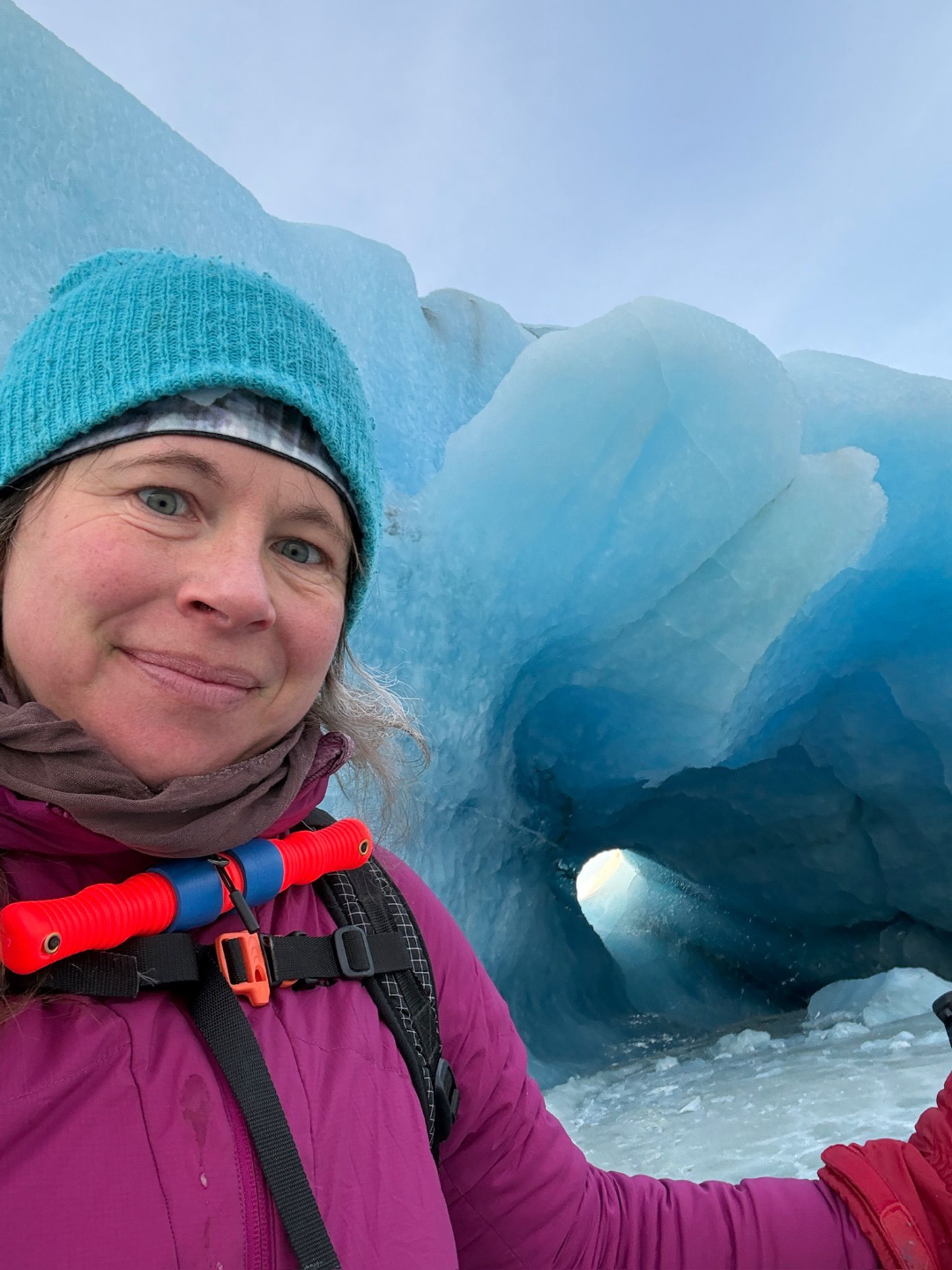
Hello from Cordova!
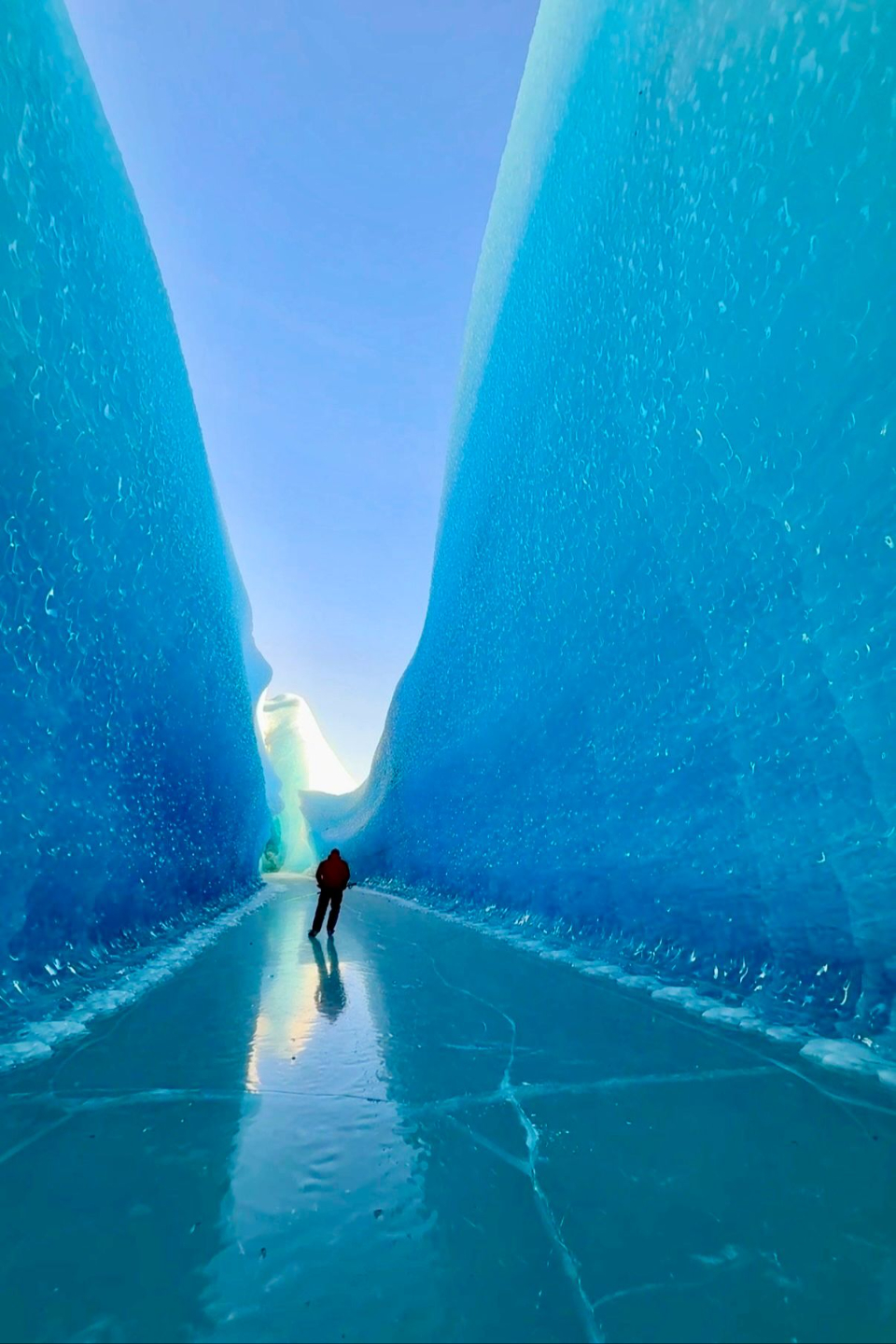
The Canyon
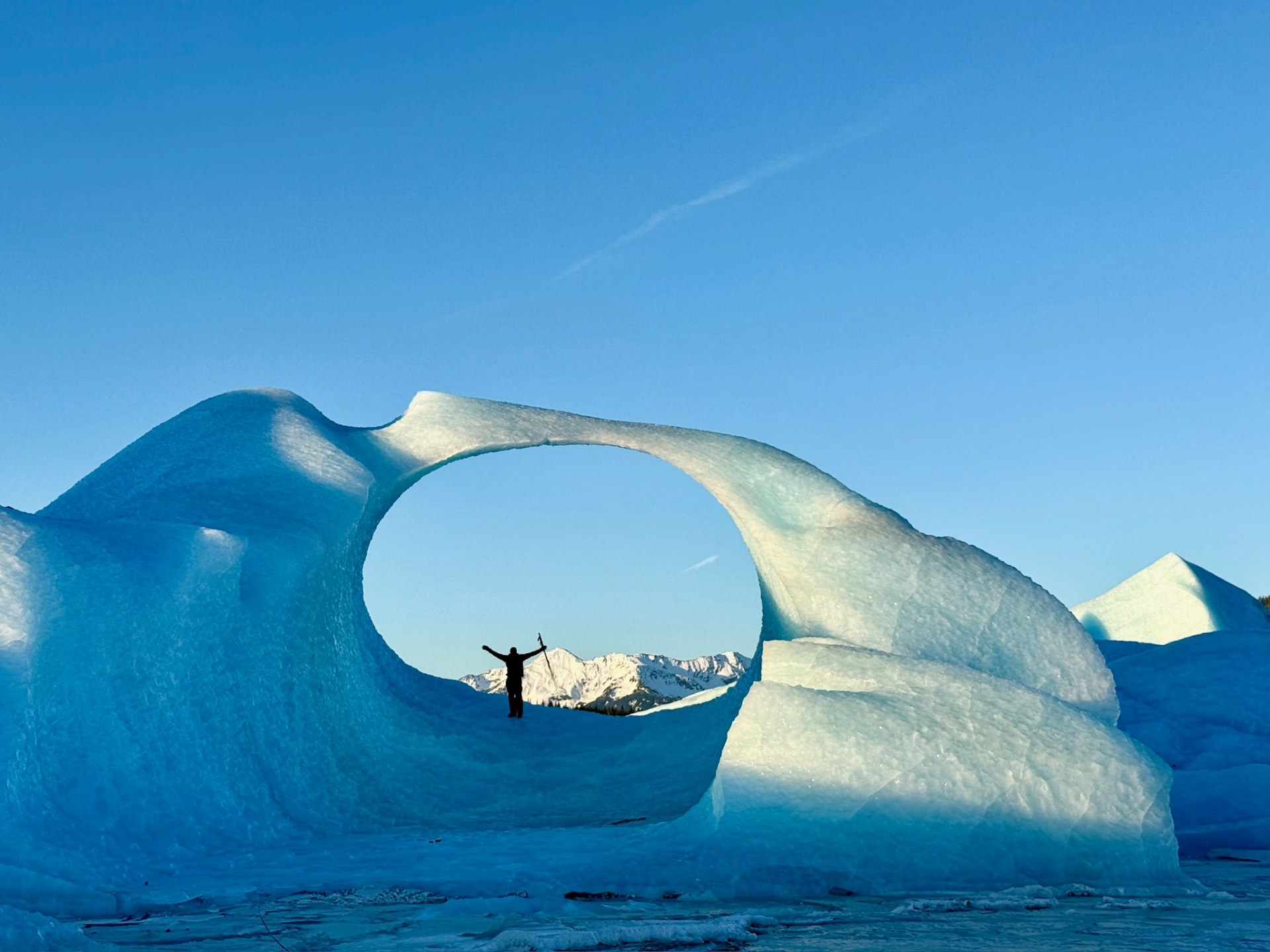
!!
Transcript:
Sarah 0:16
Hello, co regulation, conversations. Sarah, here and today you're joining me out for a snowy walk at about five degrees Fahrenheit. It's warmed up here in Anchorage after about a month of below zero temperatures. And it's really amazing how, after a bunch of time at really cold, your body can really adapt and make something that like usually feels quite cold, feel kind of balmy. Yeah, we've been in a real cold snap here in Alaska in general, and not even having the worst of it. Folks up further north or have been in like 40 below for a long time, which is really intense. And I had a girlfriend who lives up there come down for New Year's and say that she was coming down for a warm weather vacation to Anchorage where it was like between zero and 20 below. But you know, Luke and I did sort of the same thing over the Christmas holiday, and that's some of what I was thinking about telling you about in this episode, we went on a short but amazing trip to Cordova, which is this small town in Alaska. It's on the Prince William Sound on the ocean. It's a little fishing town. There's about maybe 2000 people that live there, and the only way to get to Cordova is by flight and or ferry, though the Alaska State ferry isn't running right now. For who knows, I don't know, myriad reasons. So we caught a quick little flight over there on short notice when we found out that the ice skating conditions were in really good shape, and we had a window over Christmas to go check it out. So we just, like, made it happen in like, a really spontaneous way. And it felt awesome to be able to just jump over there. And we had quite the adventure. So I was thinking about how to share about that here. I mean, in some ways this is a trip report, and in other ways, I want to share the like observations and lessons and wins from the trip in the context of the different topics we've been exploring here, and I think I don't know, we'll see, I think it'll work to like, not just like tell you about the adventure, but also bring you into some of the lessons along the way, and hopefully also ways that you can relate and pull some of these observations out into your life. That's always my hope with this, with this, like podcast project, is that I'm sharing things in a way that is like, generalizable enough that you know, I'm sure you don't connect with everything that I'm sharing here, but that there are pieces that you can pull from what I'm sharing out into your daily life, daily practices and like through that also, I um, you know, like some of what I'm trying to also do is do it like, do the actual conversation part in a way that has a co regulating impact along, like, as We're actually, like talking and listening here together. So, yeah. So if that sounds good, if you want to continue on with me and hear some Cordova stories, yeah, join me in just slowing yourself down a notch. I'm going to slow. My walking down a bit. But you know, if there is something else that you're doing here as you're listening, let's just see what it's like to take the pace of that down a little bit, at least temporarily here, as we try to arrive a little bit more fully in the moment in our bodies, maybe feeling the way that your feet are connected to the earth or to like any type of support underneath you, and then maybe also taking a moment to look around and locate yourself in time and space, noticing what day it is, noticing the visual experience around you, maybe any other sounds that you might hear. I'm out walking on the neighborhood trails and about to pass by someone who's out walking their dog, so you might hear a bit of that sound in the background here
Sarah 6:36
Yeah, and then, you know, just Taking note if there's any shifts that happen for you, maybe the sense of landing a little bit more in your body, or there's any kind of down regulation, we always want to catch that and enjoy it. So I broke this conversation down into four parts. I have four wins to share with you from this trip, and inside of each of them, they I like come up with a way to hopefully generalize upon what what went well for me and Luke in this on this trip and in this part of the trip. And like I want to make sure there's ways that you can take some of what we learned and what went well for us and apply it to other situations. So here's what I've got. The four areas are that the conditions were super good. Everything went so well. Second one is the nervous system win of being able to differentiate perceived threat from a real threat. And yeah, everything inside of that. The third one is a like a fitness win, body win strength that showed up for me in this in the weird conditions, weird part of it. And then the fourth one was the community. The way that community is an incredible resource. So let's get into these four different topics along the way. So Cordova, I had spent a little bit of time there in the summer, back when I lived in Valdez, which is one of the nearby towns, and I mean, had a great impression of the place, but hadn't really had an opportunity to go and spend a chunk of time there. And this chip, just like everything came together so well. I just, I still feel like fed by it in so many ways, because we just had, like the most incredible ice skating time on this gorgeous glacier Lake, really nice thick ice. One of the things that worked out super well this trip was that we've been in this really cold spell around the state, and so even though we were going to Cordova to escape the like 15 below anchorage weather for like, our warm weather, getaway to Cordova, it was like zero there, and then it did warm up to, like 15 above or so. So they had had this really intense cold snap for them too, because it often isn't that cold on. Ocean in southeast Alaska. And because of that, this glacier Lake had set up in a really, like, solid way that made it really well for good, good for ice skating. And then we had been looking at the forecast, and there was some snow in the forecast at the end of the week, so we were like, We got to go. Now's the time. And we had some friends who had been there over the weekend and had shared that how amazing it was. And if you haven't seen any of the like photos or videos that I have been sharing from this trip, I would really recommend going either to this episode landing page, or to my Instagram, because the visuals from this trip are like they're just like nothing else I've ever experienced. We were able to skate in around these icebergs and just spend a bunch of time there, weaving in and out of there are more icebergs than I've ever seen in one place on glacier lakes. So just tons of icebergs. And the way that the that, like the winter had had happened early winter was that it had been pretty windy. Must have been like really windy right before it froze, because all of the icebergs were smushed in together on the south end of the lake, which is the end that you show up at when you're arriving there, you can, like, drive pretty much the lake, and then take a little trail down and, like, the first thing you walk down to is, like a bunch of icebergs, and they were all kind of like mashed in against the lake edge. In this one maybe, like 1/3 of the lake they it was covered by all these icebergs, which means it And okay, so that they were all smashed in, then it froze up, and it stayed so cold for so long before it snowed. It snowed by the time we left that the ice had grown really thick. It was at least a foot thick, like maybe more than that, which is a lot for supporting our body weight. Felt really like stable and safe to be on. And then the this thing about the glacier, the icebergs being all packed in meant that we were it just felt like we were able to be in and around them more safely than I've ever felt Around icebergs. So there's like this one, this one iceberg that made a tunnel that people had told us about, and we hadn't that very first night we flew in and got in, like mid afternoon, and we're able to get a car that someone lent us and picked us up at the airport. Thanks, guys. And but the it's still getting dark here around like four, so we didn't have very much time. We didn't have enough time to get out to the glacier lake that first day. So we were like, lacing up our skates to go skate in the Yak Lake, which is just right there in town. And as we were like, sitting at our car, putting on our boots, somebody stopped and pulled over. And turns out this was someone who had been in one of Luke's classes, I think it was an ice rescue class. And she was like, Hi, welcome to Cordova. Let me tell you where this tunnel feature is. And she gave us a like a pin on our map so we could find this iceberg that froze in a way in which there's like a tunnel of skateable ice underneath this arch, or this like hole in the in the iceberg that you could skate through and inside of, like, this whole, like, third of the lake that's full of icebergs. It's like there. It wasn't very like there. There were just so many icebergs that you that these ones that had these, like, really unique features about them were, like, not that easy to find, because you're just in a kind of a maze of these big icebergs that are like overhead, and you can't, like, see around them, or you have to kind of meander your way through things to find stuff. So right away we had this. An awesome like, small town, small community, like community experience of somebody showing us right where to go. And so, so there was the tunnel, which was incredible to skate through. And then there was this place called that the locals were calling the blue room that someone just like told us was like, sort of a round of the tunnel, but we were, like, really struggling to find it, and then at the end of the day, on that first day, we just kind of lucked out by trying out this new area that we hadn't been to before. And it turns out that the tunnel, this like place called the Blue Room, was accessible through, like turning yourself sideways and scooching through this like slot canyon kind of thing, in the iceberg. And after you scooch through, I don't know, like, 20 feet or so of this iceberg slot canyon, then you get, like, dropped into this open cathedral kind of thing, where
Sarah 16:24
the, like the overhead iceberg was just like bright blue and glowing, and continued on, like, in and around and through, in, like, a couple different turns, and it just, I couldn't believe it. Just kept going. It was amazing. And then beautiful, it opened up to this, like, hole on the other side. Oh my gosh. This is why I really want you to go look at the visuals, because the, like, the scale of this and the beauty, it was just like nothing else. So, okay, so what I want to say here on this like first point that I feel so psyched and grateful for is that everything came together and the conditions to do this trip and to spend as much time around this type of environment were set up in a way that I don't know if they ever will really be quite like that. Again, the weather, you know, with that the depth of the, like, the thickness of the ice that we were skating on, and then the way that the icebergs packed themselves in together. So, you know, you met, you probably know this, that, like, Icebergs have a tendency to move and to, like, not be super stable. You know, they they don't do that all the time. They're like, mostly, they stay in position, but every once in a while they they shift because they're like, weight balance is, yeah, not perfectly balanced. So it's not uncommon for them to, like, rotate. And you know, there's just not the safest thing to be spending a lot of time around because of that potential, even in the winter when there's ice around them, they have been known at times to, you know, to shift. So, you know, I don't have a I'm not someone who has a super high risk tolerance, personally, and so it's always been, like, really obvious to me that, like, anytime we spend around icebergs and glacier ice is a risky scenario. So we usually spend like, take, we take the approach of kind of like a in and out, smash and grab kind of thing, where the way we choose to minimize that risk is to minimize the exposure time, and just like not spend very much Time in those situations that could turn on you. I mean, there is the option of just not going anywhere near them, which would be even safer. But this, this approach that we've been taking, feels like, like a pretty nice balance of like, kind of in and out, minimize the exposure time and and the downside of that for me is that I'm always tracking that that could turn, you know, we could be in a bad spot at during that short window of time. And so it's always a little bit stressful. And like nervous system is. Like on alert, and there's, there's like activation there, and, I mean, feels, it feels like justified and accurate to me, because there, like, is a real threat, potentially, of that situation going going wrong, and, and what was different about this time, that for me, just feels like such a big part of why this is like was a perfect scenario that I don't know if it'll ever be like this again, is that with all those icebergs in one little zone. It, it seemed like, and of course, like we're making some assumptions here, but it really seemed like they were packed in tight enough. And knowing that they have, like, more of them, of the body of each iceberg underwater than is above, it seemed like they were packed in and and like touching each other on their like laterally and giving each other like lateral support underwater, that Like gave us this sense of like lateral stability inside those icebergs and and really, truly, like the way in the time we spent out there, we didn't notice, notice any movement of these Bergs. So, you know, nothing we do is 100% safe. But for these, this type of situation, these types of conditions, it felt like probably as safe as you could get, and that allowed us to spend a lot of time around these icebergs and in a relaxed fashion that made it like my nervous system feel available for just enjoying it and being relaxed and open and just in the pleasure and the joy of it, rather than in like, partially in the moment and partially also stressed and ready to like, get out of there at the same time. No, instead, this is just like, Oh my gosh. We can just enjoy and be in awe and spend the whole day skating around these Bergs. They're so amazing. They each, like, have their own personality, and there's like, new things to discover around every corner. So, yeah, one piece of this is the way that the conditions were just so ideal, and the way I'd think about like maybe trying to generalize this, or think about this in a way that's maybe applicable to other situations outside of like the most incredible glacier, ice lake, iceberg, ice skating, things would be that I think it's really worth having in mind when we're making decisions about things and like opting in or opting out, whether it's like adventures or work projects, creative projects, that there are times when conditions align In a way that sets us up for success, and when that happens, it gives our nervous system an opportunity to relax and trust that the conditions are there are supporting you and like as such, you don't have to work as hard to like make things go well. And then there are also times when we're like, trying to make something happen, and then conditions are less than ideal. And those are times when it is like, coherent and makes sense to be a little bit more on guard, have a little bit more alertness and like awareness about what, what else might be going on, and it like makes sense to have some activation in those situations when the conditions aren't lined up as well. I think for me, this experience almost like put it in perspective, for me, about how when the conditions are like, so good. And I like, I can relax back into that and let go of some of that activation that's often around, that's gaging if we're safe or not. It's like, when things are really good. Can we? Can we like, be there and trust it? Yeah, I mean, really, this kind of weaves right into my second learning point that I wanted to emphasize here, and this one, is about the ability to differentiate between a real threat and a perceived threat. Because I feel like I had a big nervous system win on this trip, which was the sense that, like when things were really good and those conditions were lined up really well, I could actually trust that that was real, and inside of that, know that I was accurately reading the situation as well as we could, and that with that information that my nervous system was collecting through, you know, orienting accurately to the situation, visually, sound wise, not hearing any creaking,
Sarah 26:09
like all of those sensory experiences, and then all of the repertoire that I have now From skating, from skating around iceberg, like the the data that my mind and my nervous system has of similar experiences gets to also, like play in to how I'm reading this situation and the piece that I was really Celebrating personally on the second point here about the differentiation between perceived threat and a real threat is that I was noticing that in the past, before I had started this deep dive growth experience of nervous system somatics and shifting my own nervous system set point from a high activation kind of normal place like my normal, my my state, my baseline was like, really elevated and active. And the feeling in my body was like, you know, now I can notice it because I'm in a different place, but the sense was that I was always pretty activated. And it didn't take much for that activation to like, light up, like, sort of like the way it is when a gas stove has been left on and you haven't gotten it to light yet. And then when you, like, add the flame, it goes poof, because there's like, a lot of gas in the air, and so a little spark is going to like light a big amount. That's my like that for me, that's a good metaphor for what it feels like to have a higher activation baseline in your nervous system and then have any little thing, like on ice, it's often like the like a crack, the sound of a crack happening, have this, like whoosh, kind of big response in your body, which is like, more activation than the moment requires most of the time in these situations, like as I've moved through, like, tons of all this work and shifted my nervous system baseline now it and, like, discharged a bunch of that storage stress that was in there, like Adding gas to the air. Now it feels like, when something intense happens, the appropriate amount of flame comes through, the appropriate amount of gas for the moment, charge for my body to respond with, rather than all that, that amount that my body needs for the moment, and all the backlog that has been stored in there from, like, loads of previous experiences. So all of that has allowed this shift to happen, where I am able now to, like, have this, like, better ability to differentiate what is something that I need to be activated and like able to respond to, and what are things that I can trust are safe enough and I can be in? In a less activated place, and more have more access to fun and play and like presence in the moment, which is a huge win. And I when I was like lining out what I wanted to talk about for today, this one actually feels like a big enough topic that I'm planning to spend a whole episode on that maybe next week. Because, yeah, it just feels like this skill of differentiating between a perceived threat, which the nervous system is like, really good. It's like, designed for perceiving threats. But when we are in a nervous system that doesn't, hasn't been able to metabolize stress well in the past, and has, maybe, instead of metabolizing it, maybe it stored it, and we ended up with, like, a lot of activation in there. It can feel like that, that gas is like building up and and we're maybe, like, any little spark will set something big off. And so maybe we end up reacting to things that aren't really threats, but our nervous system is perceiving them as as such. So pretty exciting for me to be able to be so present and relaxed inside of a situation that often is really one that I'm quite stressed by, because of that like, dislike of being in a risky situation for a long time, and to feel an absence of that during this Cordova trip.
Speaker 1 31:56
So cool. As an aside to this bullet point about
Sarah 32:05
how this shift inside of my nervous system allows me to, like, be more accurate with that differentiation, I was like, in awe for so much of the day. Oh my gosh, these icebergs and oh, the one I haven't told you about yet is the one that we called the canyon. And we found this one toward the end of the second day. And this canyon of ice was a It must have been a crevasse when this glacier, this iceberg was attached to the glacier, because in its iceberg form, it was this big crack with these huge walls on either side. I don't even know how tall they were, like, way overhead, like, as tall as a big tree. I'm walking past the spruce tree, and it was like, tall as that white spruce tree on both sides with beautiful, skateable ice in between. And I don't
Speaker 1 33:25
know, like, maybe 100 feet or so of like, skateable terrain, from the opening of this crack to the back where it where it came together. We couldn't believe it when we came across this
Sarah 33:43
and we had to get there, we had to, like, navigate a bunch of really rough stuff, like really rough jumble ice there, like, in between the bigger icebergs, there Were a bunch of, like, mini icebergs, like chunks of ice that had maybe once been bigger icebergs, or maybe they'd like fallen off of icebergs. I don't know. I think they are called birgi bits, but they were like the voids between icebergs were mostly full of this, like birgi bit jumble, and I'm going to talk more about that in the next bullet point, because I was so grateful for my the strength in my body to be able to navigate all that. But here we had gotten through like, a bunch of that, like jungle Birgit bit crap, and came around the corner and saw this canyon of, like, really nice skateable ice. And we're like, oh my gosh, you got to be kidding me. So beautiful. And, yeah, do. Just like, totally another world. And after a day of that, like, all day long, just being like, oh my gosh, I can't believe this. The next day, when we came back to skate again around these icebergs, I noticed I was like, really dragging, and had some trouble accessing that, that awe feeling. Because you know what happens is that, like when you have a burst of awe and enthusiasm, it's a rush of dopamine. And like that, that experience of like being so overcome by the beauty of something, and our body can only produce so much dopamine. So I'm pretty sure that second day I was just like, out of dopamine for at least the first part of the day, until like things got going again. But like, you can really, you can really run out of dopamine. Turns out, after having like, just like, had a lot of those experiences of beauty and appreciation and awe. I know my friend Kelly talks about this in the way she manages her back country skiing days and like has come to be able to feel that feeling of like, I just don't have any dopamine today is, like, for her, a good reason to turn around and, like, not push it that day. Because if you don't have dopamine, your body's like, low on that in some days it's like, it's not gonna through no fault of your own. It's just a physical thing, there's just not as much to produce. So interesting there how sometimes maybe there is too much of a good thing, and you it's like hard to reach that same level of appreciation over time. There's also another side story on this is our some of the friends that we were skating with and spent time with, there have some kids, and one of them's in high school, and she was invited to come skating with us, but she was like, No, it's just just more icebergs. We which is a classic, like Alaska kid thing, these kids having grown up around these incredible, like, world class outdoor experiences, but, like, don't know anything different, and have have seen a lot of icebergs. For instance, if you live in Cordova, where you get a lot of time around this glacier lake. So yeah, couple experiences of too much of a good thing. Okay, so more to come on this topic of differentiating. Differentiating perceived threat and real threat, and the skillfulness there. But if this is something that you relate to and want to start figuring out how to pull into your life, one thing I would suggest would be taking note, like when you're having one of those moments where it's like, oh, somebody just lit a match to my gas fire. Or, you know, if it's an ice skating metaphor here, same thing happens when you're poking through a methane bubble and then lighting it on fire is like, when that methane releases and you get the flame there at the right time, it's like, poof, this big plume of flame. And then people like singe their eye, their eyebrows, you know? So if we're trying to have less of those kind of explosive activation moments and more of the like right sized ones, where the body sends out the amount of activation that feels appropriate for the situation at hand. It's a really good feeling when that happens, then the first thing I'd suggest would be to recognize that when you're having a big explosion, explosive kind of body reaction in a situation that. That is the physiology. That's the animal body that you are living in, having a accurate, appropriate body experience based on what it has learned and what it has stored and what it knows to be true about the situation. So that first little moment, if there's a way to bring in awareness of the body, having a response that might give enough of a little gap in between your body experience and your awareness of it to just let your consciousness in to observe the reaction that your body's having. Because one when those experiences are happening, we can't usually do too much to like we don't really want to suppress it, and we often can't, you know, it's like we're on the ride. But what we can do is have some like curiosity about it, and remind ourselves that our body's having a big response, and we can kind of watch it happen potentially, and maybe even bring in some of these practices, like orienting, feeling your feet on the ground like the really simple ones are the ones that are going to like, maybe be available to come into your mind in those kind of moments, but this question of, like, my body's perceiving a threat and sending out a big response, and then, if it's possible, to orient using your senses to what is actually happening, that might help support the body's timeline and the wave that it's experiencing. So the more practice we can become at using our senses to locate our selves in time and space and notice safety cues, the more likely that same practice might become available inside of those big moments when a big explosive wave shows up. It's the same practices that I would use in in in those moments as we are practicing here, and we have to do them enough inside of these quieter moments to be able to recall them inside of the more intense times.
Sarah 43:00
Yeah, and then I would, I think of that as, like, one of the many steps inside of a longer process of helping move from, like a highly activated set point to a lower one, so You're on your way. Okay, taking a moment to just again, feel my feet, slow things down a notch, and come into relationship with
Speaker 1 43:34
where I am right now, another beautiful spot here along the trail
Sarah 43:44
with some really nice snow on the branches, still staying warm. Okay, so I have two more here, two more learnings and wins from this trip. And the next one is the physical one, because, holy cow, was that messy Berkey bit, jungle, ice stuff, a challenge. I mean, okay, I there. I do have a little video clip of that. So again, like on the page, on the podcast page and or on my Instagram, but this stuff was just like chunks of ice at all different angles, and you're like a lot of people who were there would just like put on micro spikes and walk through this, which we could have done for us. I think it felt just more efficient to keep our skates on and to kind of mash our way through. It. Luckily, we had ice poles with us for testing ice thickness that also worked very well for increased stability. And Luke and I are using a Nordic skate setup that works like quite well in these like, really weird All Terrain settings we have our back country skiing boots, the plastic boots on Nordic skates, which are longer. So the plastic boots give us extra stability, ankle stability and warmth as well, and then the longer skates help smooth out some of the roughness of ice. I mean, it's one of the reasons why we skate with this setup in back country settings, because you just never know what you're going to come across. And we want to be able to, like, cover, get our way through weird ice conditions and not have our day shut down by them. So the skating setup was, for sure, a part of the success here, but the other part of it was that my strength and the way my body felt like really came in for me in those situations. I mean, just imagine that you're just like mashing your way through like a slippery world that's also at like, all these different angles, and every, every place you step is like sliding you in a different direction. And it's like quite an effort. You're, you're like slipping and then like getting stuck on stuff, and basically just sort of flailing around, almost falling a bunch of times, and having to do that big like power move that happens with your body when you're about to fall. And then you have to recruit like all your force to catch yourself in a like, in improbable arrangement of like limbs and and muscles and things, and the way that, like your body, has to work so hard to catch those near falls and then at one after the other, after The other, it's it was very jarring and stressful, and I was so glad for these last few years of rebuilding my fitness and strength after the previous few years Where I was in more of a softer season and prioritizing healing and fertility and stuff. I this was maybe one of the first times where I really felt like I'm gaining my strength back. And thank goodness, because if I didn't have it right now, this would not be working out as well as it is, I would have fallen a ton and injured myself, because it just felt like those things were always very possible. But instead, what I was feeling was durable. Feeling this like durability in my body, and all the weird twisting and catching and things that had to happen were showing up for me, like my body was showing up for me. There was a nervous system piece of this too, though, because especially at the end of the long days, I mean, they're not that long, because it's middle of winter, there's like, four, five hours of daylight. So, you know, we we made the most of them and skated from dawn till dusk, which was, you know, maybe five hours, maybe six, I don't know, probably closer to five. So at the end of those days, I did notice that that kind of jarring jungle ice experience was feeling less doable, and it was like stressing out my nervous system more, I think just because of the like accumulation of fatigue and the body, like not having as much resilience for that type of movement. But made it through the day. Made it through both of these skating days. Yeah, successfully, and lot of gratitude for the work I put in previously and the way my body has been responding to it in these last few months, as that strength builds back up. So, yeah, so that's kind of the third win, feeling like body is was there for me in like a very physical, tangible way. And if that one is one. That you want as well. Let's do it these types of, like fitness goals. I especially in my 40s, I'm, like, really thinking of them as long term. You know? Maybe it's because in my younger years, it felt like easier to sustain and to like, see immediate results from things, and it feels pretty different these days, feels like this climb back from the like, softer season, and even just from two summers ago, my lung situation, walking pneumonia, but recovery from that has been real slow, but it has come back. It's just been something I had to like be pretty diligent about, put quite a bit of effort into, and just have a lot of patience for the process. But there there are wins, and there's there's potential when we are able to, just like, keep plugging away at things. And then, you know, the other side of this is this nervous system skill of celebrating things when they go right, and noticing them and just like really being in the full bodied experience of celebrating the body, celebrating the self like thank you past self for putting in all the work To make that possible, to make this experience possible, and then, you know, it wasn't easy, and it didn't always feel great, but the piece that I'm, like, really grabbing on to here, and hopefully, like modeling for you, is that I'm like, big celebrating my body and the way it showed up for me there, even though it was hard, and there were times when I was definitely over it, it. The main point here is a huge win. Didn't get injured, had a great time, made it through the jungle ice, saw incredible things. Couldn't have done it without that kind of like durability inside my body and also inside of my nervous system. Okay, so the final piece here that I want to share maybe the biggest win of all, and the biggest appreciation from this trip was the win of community, and the way that community was such a resource And such a gift for us on this trip.
Sarah 53:08
I mean, how do I even start telling you about all of the different ways that community came through for us and showed up and just made this trip feel so good in so many ways. We made this decision to go really last minute, got tickets for the next day, reached out to one of Luke's high school friends who spends time in Cordova, she reached out to her community there, and through this like friends of friends situation, they came up with a car to lend us a place for us to stay in this Little tiny house in the back of her friend's place. It had this, can you the cutest little wood stove I've ever seen? It was like, let's see eight, eight or 10 inches by, like maybe six inches tall and like six inches deep, like, really small, six inches. No, it must be more like eight to 12, but like quite tiny little wood stove and chopped all this teeny, tiny little wood for this wood stove so that we could stay warm in there.
Speaker 1 54:36
And cutest thing, oh my gosh, cutest little wood stove. We had the best experience,
Sarah 54:47
both with like invitations to social gatherings. I mean, I can't believe that this car, just like was lent out. I. Over the Christmas holiday through friends of friends, and some of them are maybe even listening here, because I think some of these connections came through through the mind and mountain community, people who have done ski babes and summer strong workouts over the years, through Luke's work and the classes that he's been teaching. And you know, the person who stopped by and gave us iceberg beta on the first day, and then the next day, we saw somebody in the brewery who had also taken a class with him, and, like, gave us information about this other lake we were thinking about skating. It just was like, it just was like kind of one thing after the other. And that first night, a group of folks were having a Festivus bonfire down on the lake. And I went there, while Luke got together with one of his other friends from some remote Alaska trips, and he played pickup hockey with them. Well, I went to this Festivus party and ended up ice skating on this the like Town Lake, Yaak Lake, at night, under the stars and laying on my back watching the stars on this beautiful frozen lake, we had, like more social engagements that we could fit into our calendar. Over Christmas, had joined Luke's friends from that he'd visited from around the state through like they had lived in a few different remote villages that he had come through on different remote trips, and they invited us over for Christmas dinner. We went to a little tiny church for Christmas Eve service, and it really, it was so sweet. It like really reminded me of the church services that I grew up going to in sulbana. Lots of real similarities in the traditions there. And we watched some other friends and her daughter playing in the in the band at the service. I mean, just so many sweet community moments. These friends who had us over for Christmas Eve service, as we were waiting for the meal to be ready, she was teaching me how to embroider on Luke's winter hat, and so I did my first embroidery and made a little snowflake on his hat. It's so fun, just I mean, I can really barely put into words what a special experience it was to feel so warmly welcomed by people in this little town over the Christmas holiday. And, you know, people met us on the ice and took us around and we played with some of the kids on these like birgi bit chunks. And, yeah, just like a really great time with amazing people and feeling the joys of small town Alaska community life, which is something I really love and appreciate from my past of living in Skagway, living in Valdez, these small places that are so special and a really unique way of life, so To feel folded back into one of those little communities for a few days was really beautiful. I mean, you miss some of that small town life stuff, but then also feel just like really grateful for the way that Luke and I have been able to stay connected to folks around the state and like, be a part of their lives, whether they're people who are, like, working out with me through the videos in small towns around the state and the country, or, like, people Taking outdoor safety classes with Luke. It's it's really cool how those like, the way that community has built up around us, sharing our work in these in these different ways and like through the internet, but in a way that has. Seemed to really, like, bring also a sense of connection with it. I mean, yeah, also, people are amazing and generous, and I can, yeah, I hope that my gratitude is coming through here, because it felt really, really special and added a layer of like meaningfulness to this trip that really wouldn't have, wouldn't have been there without the without the way that the community really showed up for us there. So thanks everybody. Thanks, Cordova, you know who you are, lots of love and appreciation for the way that you support us. Okay, I think I'm going to wrap up here. I guess the the last piece on this, this community, one, is that if that is something that you are wanting more of in your life this year, there's lots of ways it can grow. And you know, a lot of this. If you don't already live in a small town and have that type of community around you, there's a lot of what this, what came, what created this experience was actually formed first, like, in some ways, through virtual connections. You Yes, and it's really neat when those virtual connections can turn into in person ones. I just think that, like some of what we're doing here in our like modern world, where we have the internet and we also exists offline, is figuring out how, like, helping our nervous system understand that there is CO regulation potential in these different formats, and making sense of like all of that. So, yeah, yeah, I guess this is maybe just like a success story of the bridging of the online world with the in person world, that they maybe don't have to be separate, and we can dabble in both of them and find community, build relationships, make connections, both online and offline, and then maybe, maybe, find ways to make the off the online ones come offline and vice versa. Like some of my favorite stories from ski babes is when people use the like ski babes get together with, like their siblings who they don't live in the same town anymore, or friends who don't live together anymore, but like they get together to do an online workout as a way to stay in connection. So maybe there's ways for like these worlds to come back in and support each other, the online and the offline space. Okay with that, it's one more look around to appreciate the snow on the trees and encourage you to as well. Just take a moment to look at yourself, notice your body, see if there's anything resourcing that you have come across as we've been here together.
Sarah 1:03:59
And until next time, take really good care of yourself and each other. I'll see you soon. You.