episode 26:
Dreaming the World We Want to See

Or Listen On:

Show Notes
In this episode, I reflect on the role of imagination in times of uncertainty — and how dreaming forward isn’t about escaping reality, but about expanding what feels possible in our bodies and communities. Recorded as both a personal reflection and a collective inquiry, this conversation explores how our nervous systems shape what we can envision, and why tending to regulation can open space for creativity, hope, and meaningful action.
I talk about the tension between staying informed and staying resourced, the importance of orienting toward what we care about, and how envisioning the world we want can be a grounding practice rather than a bypass. Through a somatic lens, we explore what it means to hold grief and possibility together — allowing imagination to become a steady companion as we navigate complexity.
This episode is an invitation to notice where your attention goes, to gently expand your capacity to imagine supportive futures, and to stay connected to what feels life-giving even in challenging times.
Timestamps
00:00 — Welcome & naming the moment we’re in
03:00 — Why imagination matters right now
06:30 — Nervous systems and the limits of what we can envision
10:00 — Staying informed without becoming overwhelmed
13:30 — Orienting toward what we care about
17:00 — Grief, uncertainty & possibility coexisting
20:30 — Dreaming as a practice, not an escape
24:00 — Expanding capacity for hope and creativity
28:00 — Community, connection & shared vision
31:30 — Small actions that align with imagined futures
34:30 — Letting imagination support regulation
38:00 — Holding complexity with gentleness
41:30 — Closing reflections & invitation to keep dreaming
Submit your questions for the Q&A [here]
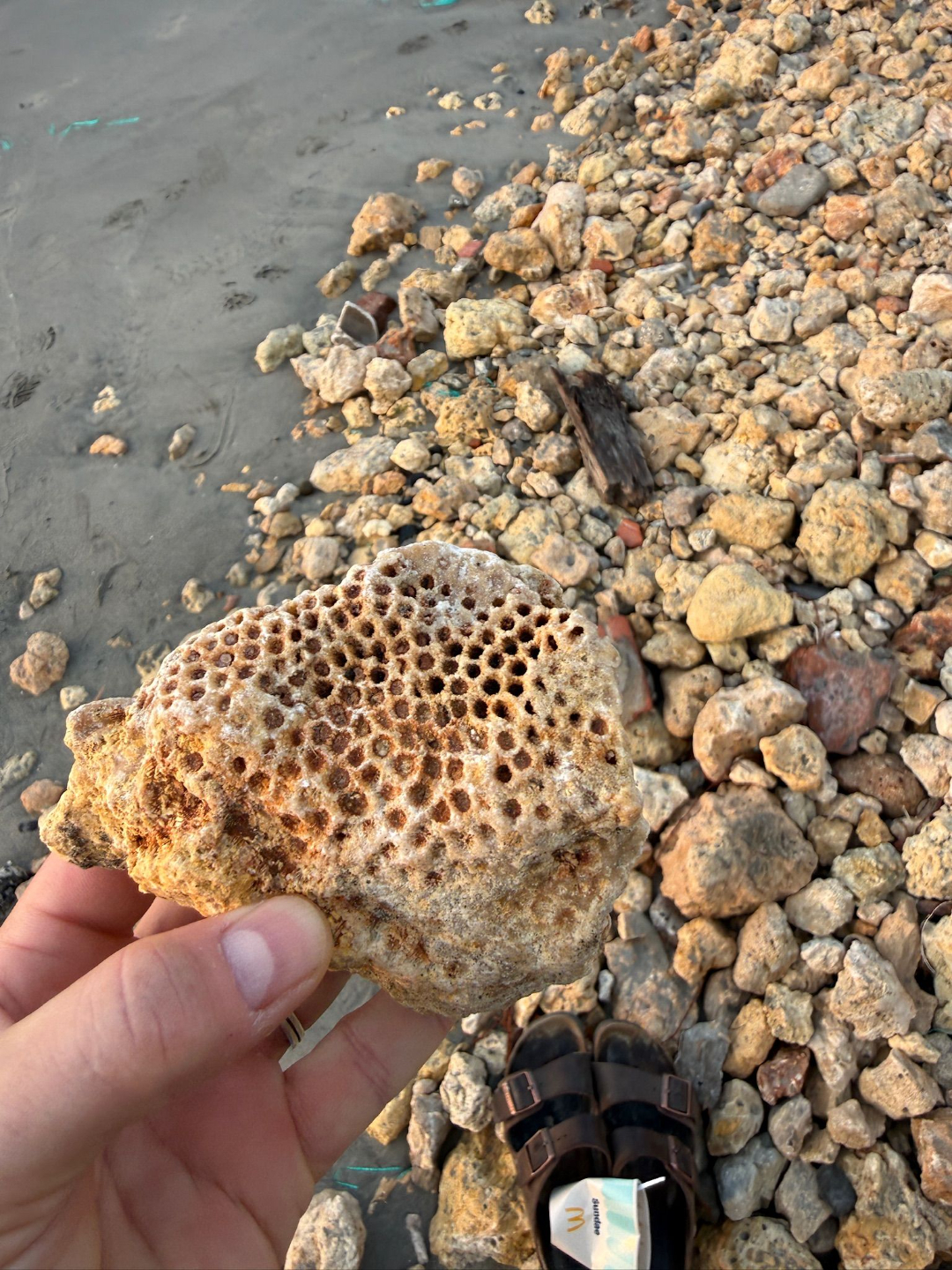
Photos and links from this episode: www.mindandmountain.co/podcast

Transcript:
Sarah 0:02
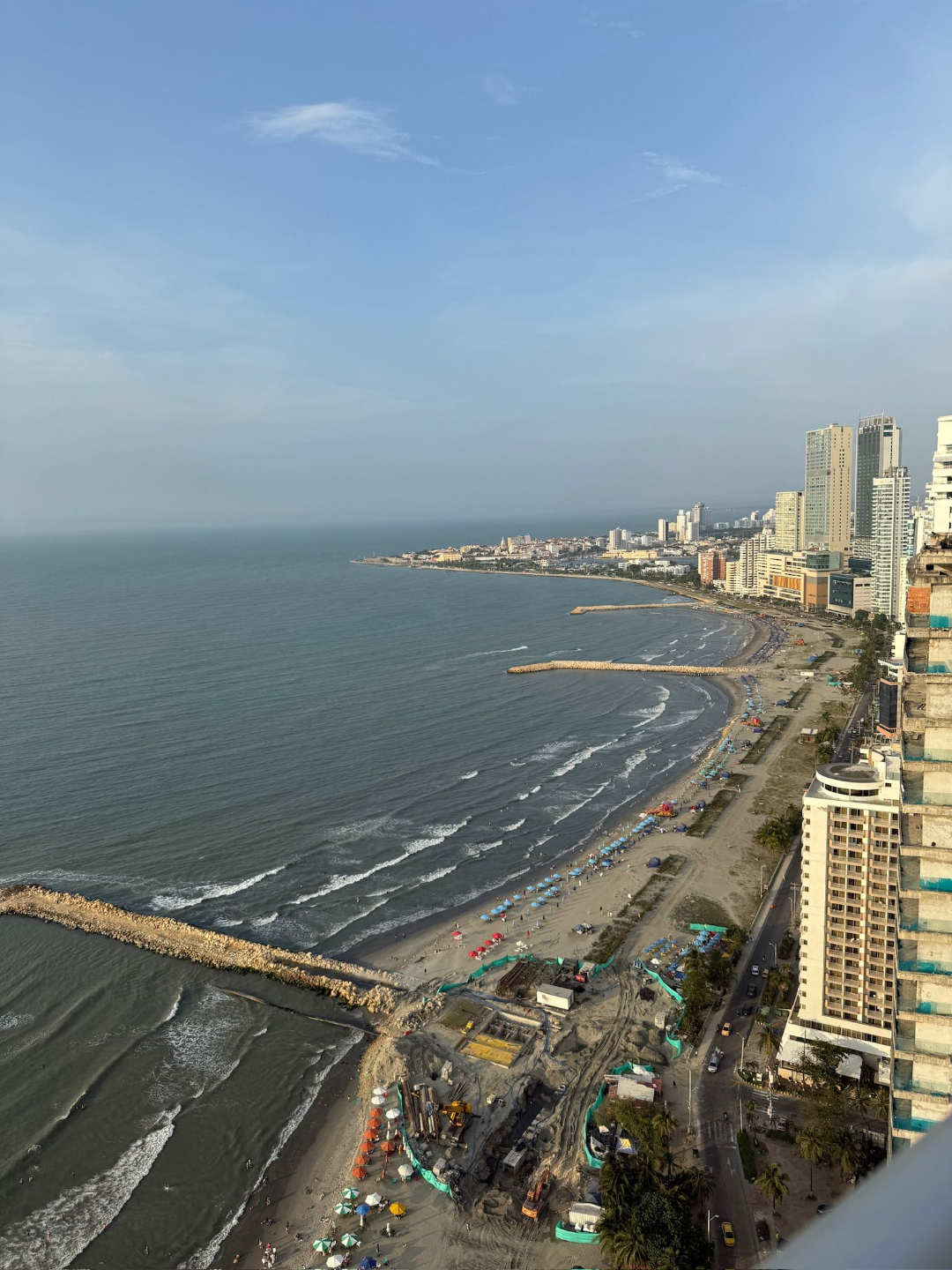
Hi, co regulation conversations, we're back. I'm excited to be with you. I am somewhere brand new today. I am in South America, in Colombia, and right now I'm on the coast in Cartagena, which is a town on the northern coast of Columbia, on the Caribbean, and I had the dream of doing this episode while I was out walking on the beach, and I was just imagining walking barefoot and having the sound of the waves and everything. Well, it turns out that that is not the kind of beach that is available here in Cartagena by my the place where I'm staying so and also, I was out at the beach yesterday for most of the day. And my son, my skin, my sweet Alaska winter skin, is is really feeling it today. So instead of the dream of being out on the beach for a walk with you, today, I'm in my hotel room watching the ocean out the window, and yeah, we're we're here. I'm in an adapted dream. It's adapted from what I had hoped, but it's still pretty dang good to be here in the warm air and to have an ocean view and to be talking with you about dreaming and what it means to dream the world that we want to see. If you are an astrology girly, you probably know that this week is a pretty big week. Potentially, there is an eclipse this week, new moon eclipse, and there's also a big conjunction later in the week, all of which kind of point us to the experience that we're kind of already living out, which is that a lot of change is happening all at once, really fast right now in the world, And this week in particular, has the potential for us to be channeling our energy into what it is that we want to create out of this time of really intense, fast change. So I wanted to focus this episode on this concept, because it feels like for one change is something that is really a big it's a lot to hold inside of the nervous system. It inherently is destabilizing. That's change, right? And inside of these times when there's a lot of change happening all at once, or really fast, or maybe in ways that we aren't appreciating. We have to figure out how inside of our bodies and our nervous systems to hold all of that, to be with it all, to metabolize it, and then to transform it and use it in a way that helps move us forward, rather than collapse under the weight of it, or be overwhelmed by the scope of it, or turn away and avoid it. All. You know, there's all these strategies that we come up with when we don't have ways to actually be with what is and use it for good. So, you know, that's maybe the heart of what this whole podcast is about, is figuring out how to use the energy of the times that we're in and the way it impacts us, use it well, figure out how to support ourselves and each other while it's happening, and then how to use all of that in ways that that help set ourselves up for success and build the world that we want. Okay, so I'm jumping right in, apparently, but I did want to start us with an arrival practice today, because as we're talking about these ideas about dreaming big and envisioning the world that we want to see, and doing it in a way that's not totally delusional and is also has some grounding in reality. By the way, there is a place for delusion, don't get me wrong, but I do want to help us stay connected to our bodies while we are here while we are practicing the work together. So I will hear myself and invite you into as well, taking a pause just to notice your body, bring your attention in and. From whatever it is you have been doing before you turned on this podcast, and we'll just slow down here for a moment, and if it's available, maybe having a look around or listen or smell or feel the air temperature. Just take a few moments to let your body organize itself around where you are in this moment,
Sarah 5:39
and especially looking for any cues of well being or beauty or safety, anything that is nice about what you're noticing with your senses. I
Sarah 6:03
and just taking a moment to let that land at the body level.
Sarah 6:16
See if there's anything that shifts inside you as you notice the pleasurable part of your sensory experience right now,
Sarah 6:37
if it's like A deeper breath or settling back a bit more into the support that you're experiencing slower thoughts or rumbles in the belly. You know lots of things might be happening that are probably subtle, but if we just take a moment, we might be able to let them rise out of the body up into conscious awareness.
Sarah 7:14
And if there is anything that is feeling especially supportive right now, maybe take note of that and hold it close while we're here in conversation, just so you have a resource at hand. You know, it could be the texture of the clothes that you're wearing or something that your hands are enjoying being being in contact with might want to keep it in your pocket close by.
Sarah 7:53
Or maybe it's just the sense that we are here together in some form, even if it's not in actual physical, real time together. There is a way that we're here connecting, finding a shared rhythm of thought and conversation and maybe breath, sharing some ideas, sharing some maybe some shared visioning and dreams about what it is that we want to see for this world. It is really important that we not do this work alone. I wrote this down as a bullet point to hit later, but we're going to start with it turns out, because, you know, when we get into the work of dreaming about what it is that we want to see happen for the world, these are big dreams, and the vision is, if we can really tap into the expansiveness of what we'd want to see happen in the world and even for generations to come beyond us. It's way more than what one person is going to be able to do in their lifetime. Even the most incredibly prolific, productive, competent person there is, you know, and in our bodies, know that there's no way we're going to do this alone. So one of the ways this kind of work can get derailed is if we, if our bodies are used to being in that that like culturally learned and conditioned way of thinking about change, which is an individual project we have to inside of this type of somatically oriented wild dreaming be connected to the fact that we are not alone, and we can't do this alone. We need community, and we need each other, and we need support. It. And the good thing is that we have a lot of that available. So co regulation and this muscle that we've been building here together through the duration of this podcast, the ability to connect and receive support, both give and receive, and the ability for your body to feel the way that it is not alone. It does have support. That's one of the access points that's really critical here, if you start to notice, like overwhelm or like those types of thoughts about how impossible these types of dreams might feel like they are, one of the ways to come back in and anchor into this place of possibility is to for one come back to your resource if you have one that you just made contact with tactically remind your body that it's safe and that there's some pleasure available, and then tap back into some kind of connection, and maybe it's with me and my voice, or the sense for the community of people who are also listening to this podcast and care as deeply as you do about these dreams, it could also be like, very physically, like to any actual, tangible support that you have right now available to you. So back support if you're seated and you have a chair or a sofa or something behind you or under you. The support of the ground at your feet, if you're out on a walk, there it is. You know, supporting your feet very steady. You
Sarah 12:03
Yeah. So one of the really critical practices here is CO regulation, so that we can dream big without it becoming overwhelming for our little one little human system, which knows it's too much to do alone. So I'm glad we've been in this practice together for as long as you've been here, whether you're if you've been along with me since when I started this podcast last summer, or if you're just dropping in, you know that's what we're here to be in practice of is this sense of helping the body know that it's not alone. Okay, so with that, let me just name that change is happening super fast all around us these days, and in many ways, we find ourselves living inside as someone else's dream. It's probably not the dream that you had or that you will be building here together. Much of what we see happening in the US right now and in many other parts of the world is a white supremacists dream, billionaires dreams, the authoritarianism kind of dream. And it's it is a dream. It's somebody's dream, but if it's not aligned with ours, what we need to be doing here is dreaming a new dream for the world that we want to see. And this is a shift in thinking for many of us, a shift in thinking for many of us, a shift in perspective. And a lot of the foundation for what I'm bringing forward here today comes from the work of liberation, the liberation approach to social justice. My teacher for this is Dr T Williams, incredible social justice teacher, and he brings forward the this liberation value. And there's a lot inside of that modality. I'd love to bring Dr T on for one of these episodes in the future. But the one of the central tenants of liberation work is that, instead of fighting against something, we need to be in the practice of centering our attention and our efforts and our focus on what it is that we are fighting for. So instead of anti racism, fighting against racism, we are fighting for the liberation of all people. It's in some ways that might sound simple, and maybe it is. It's like kind of two sides of the same coin, but it makes a huge difference in the. Body in the energy of the body when we have something that we are fighting for and we're headed in a direction with a vision and a purpose, something that we're building, versus putting our energy toward or against something that we don't want. If we were going against something we don't want, our attention is driven in that direction of what is, what it what we don't want, and we're pushing against it. We're fighting against it all our effort is going against something, which means that there's friction and tension and it's gritty, you know, there's, there's a lot of effort and work. I mean, not that there's not effort and work in the other place, but if we are moving in a direct moving away from what we don't want towards something we do want, there's a lot more flow potential. And when I was exposed first to this theory, this shift in thinking about how to do change making work, it was in the same era when I was starting to get into somatic work as well. I was so surprised and thrilled to notice how similar this switch in focus was to that what I was learning inside of the somatic experiencing work where, you know, we're often trying to help ourselves and People that we're working with move their attention from the what we call the trauma vortex, or the stress vortex, the the attention on what is wrong, what the problem is, to notice the things that are okay, or stable or Beautiful, or resourcing. We call it the counter vortex, and what the things that we want to build and what we want to happen, we could also consider as part of the counter vortex. So the overlay between somatics and liberation work is amazing. It's so beautiful. And I love how they feed on each other. And through somatic work, I have come to, you know, experience myself and learn that we can't expect necessarily, the switch to just be like really easy and to just jump from that what's wrong orientation in the trauma vortex over to like, what's right, or what we're going to build, and just be like, great, I flipped the switch, and now I'm on track, and we're here. That's just that's not really the way our bodies work. They need more of a titrated little bit by bit approach and the ability to move back and forth between different places where our attention goes. So it's not that we need to be like 100% over in this building direction, but we need it. Need do. Need to build often as we're like building the muscles to access that often we it needs more of our focus, because our focus is going to naturally be drawn toward the problem, toward the What's wrong, toward the trauma vortex zone. And so it's the muscle that we're trying to build. Is often this muscle that brings us over toward the the counter vortex, the what's right and the what, what do we want to build sort of thing? You know, many of us feel safer inside of that hyper vigilant kind of awareness about what the problem is. And of course, that's very functional. Yeah, it's like, if we're trying to survive in the wild, we do need to be able to identify what the potential threats are. And there's a safety mechanism inside of that for survival. So that threat response, that threat aware, problem aware that that stance about, like, what are we fighting against? That is often a place where our nervous systems have associated safety. But then, if that's all we know, then, and that's what we're where we're spending all of our time, you know, eventually we wonder why we're so tired and burnt out, but that has a lot to do with it, that that like continual attention on the threat, or the other response that's so common is for it just to feel so overwhelming that we just turn away and avoid it all and just don't even go there, which obviously isn't gonna get us anywhere very good long. Term either.
Sarah 20:08
So, you know, as I was coming into this work, my journey with this mirrored my journey with somatics. And you know, I was one of these nervous system patterns that I think many of you relate to, I'm guessing is why you're probably here, to some extent, that coming into the relationship at first with the things that were supportive and felt okay in my life, felt like I consciously wanted to go there, but my body was like, ah, that's like, that doesn't feel like the thing that needs my attention right now. I feel like there's all these problems that really need my attention more than like, the things that are okay. I'm a problem solver, you know. So, so it really did take some time and some work and practice and CO regulation support from my people to for my nervous system to be able to access and land those experiences of safety and well being. And the same thing with dreaming, like, when I was first exposed to this idea of like, what are we wanting to build and what, where do we want to go? What's the wild dream often that I know, and I wouldn't have necessarily, at first, called this feeling lack of safety. I do now because inside of the nervous system lens, I sort of see that safety, unsafety as the hinge point for many of the things that we are nervous systems reading, it's kind of always like, Am I safe or not safe here? But though, the way it was showing up when I was trying to do initially, trying to do some of this dreaming work years ago was that there would be some pretty loud voices that would be very doubtful or skeptical about the things that I would want to be dreaming about. It's like, we're really if I'm dreaming about, like, the world I want to see, there would be a pretty loud voice that would be like, but that's not gonna happen, or that's impossible. That's the probably not, or that won't work, because, you know, like the the downer kind of voice, rather than being able to hold that space and the sensations of the expansive place of of a dream this, this more contracted voice would good kind of keep some of my attention Over on the on the things that won't work about it. So that's that's the bit again, back to the problem aware, or the stress vortex, kind of attention, what's wrong orientation. It's honestly so common, so real, not a problem. It's just a place that many of us are at, or at least a place where maybe we've been and we're trying to help our nervous systems feel safe enough to be able to consider something different. And that, again, that what's wrong orientation. It comes from a important somatic survival place, because if there is an urgent threat to our survival, it does indeed need our full attention if we are in what like if we're in a situation outside with a where you're in a rapid, a boating metaphor. Let's say, if you're, if you're in a boating situation, I'm pack rafting, and I'm in a rapid and it's very intense, and like I need to be able to get through this. It needs 100% of my attention. If we're in an avalanche, it needs all my attention to survive this thing. So when there's a threat, the body is going to default to giving it all the attention, just in case it might be a survival situation. And and like, well, I don't want to change that. That's important. That's a very necessary aspect of the way that our nervous systems have evolved. It's intelligent. It's super important. It's kept us alive, and I hope it continues to do its job for many years and generations to come, because we definitely need that potential inside of us. What I'm talking about more in this conversation, though, are situations that are more mixed. There is a threat, there are problems, there are absolutely. Social problems that need our attention, and they are life threatening in some situation, some acute moments for some people. For many of us, they're more like long term threats or future threats. They're threats for our community or our loved ones are the people we care about for our values, for the planet. You know, they're they're for sure threats. They're different than that, like urgent, acute threat most of the time. And so inside of those sorts of threats, the question becomes, are we safe enough to have time enough to plan a response from solid ground. So I'll say that again, are we safe enough to have time enough to plan a response from solid ground? So we need to take that question seriously. On a body level, the body's asking that question, we might cognitively recognize that we're safe enough, even though there's a bunch of like, crappy stuff happening in the world right now, the body might not, though, because if, if the body's like reading threat, whether it's through your social media feed or head news headlines or emails or whatever, those threats are going to land Really loud because of that default toward noticing threat, and it's going to take effort to notice the rest of this situation that you're also in. So again, that's why we spend so much time and practice in helping the body, land safety, land resources, notice the moment that it's in the default whenever there's like a potential for a threat is going to suck attention, and it's going to take quite a bit longer for the body to come down and recognize safety. One of my clients was telling me about how she was taking a class about rowing technique for like, um, I think it was like for the rower in the in the gym, and how they were talking about how the pull part of the row, where you put in the effort, you pull the pull the bar back To you, should be pretty like fast, that's the effort, and then the return might take twice as long. And I feel like that's a pretty good metaphor that's pretty similar to the way our nervous system is with threat versus safety. It can go into threat pretty fast, and it will probably take at least twice as long, maybe even longer, to recognize safety cues and to notice that it's safe enough to move out of an activation cycle.
Sarah 28:17
So this skill of settling it's like very, very important, very foundational, helping the body recognize that there is solid ground here that we can use to strategize, from to dream, from to recognize, like, what we might Want to happen rather than what we don't want. And so I think that you know that initial piece of coming in to the body and helping it recognize safety cues is always going to be important. And then the other thing that might need to happen here would be the activation of some healthy aggression. This is kind of coming on the heels of the class that I taught last week, the drop in class about noticing healthy and activate, activating healthy aggression, Mama Bear energy around what it is that we want to protect, and what are we fighting to protect here? This, this thread of activating healthy aggression follows through so much of what I teach in all of the different modalities. We do it in workouts. We do it here in somatic work, because it's so important for helping our body come into relationship with the part of our self that is has evolved for self protection, protection of others and protection of things that we care about you. So just put an asterisk in that that's not always an easy thing to come into relationship with. It might sound easy, but many of us have like conditioning or over coupling or the body doesn't feel safe going into this branch of the nervous system. So just a little asterisk that I'm not going to go into a full discussion around that here, but it's woven into some previous episodes. And if you want me to do more on this, please like send in a question related to this, because this is a very important topic, and it's also one that feels a little bit hard to do in this asynchronous fashion because of how how different it lands in different people's nervous systems, and how important it is to do well, because I do want us all to have, eventually, like, Some access to this branch of things, because this is this healthy aggression branch. This is the fight response when it feels connected with some, at least a little bit of safety. It's our No it's our ability to say we are not doing this anymore, not having it. That is so important. I mean, and I know I'm talking about dreaming here in this episode, but I'm also talking about from a place of when we know what we don't want. That mobilization of this part inside of us that is our healthy aggression? Is the charge that mobilizes us toward change. What are you unknow to and what does your body want to do with that energy? And then some mobilization of that healthy aggression might be enough to help your body recognize that it has some degree of safety around and it this might be a type of safety. The first type of safety, safe enough I was talking about, is like the down regulated like, look, there's a plant, look, there's four walls and a ceiling, like, I'm pretty safe here, okay, like, that's maybe a down regulated version of safety. There's also this upregulated activated safety, which is, like, if something happens, I can do something about it. I can show up and make a difference here. I can get through this rapid with using my body and my muscles and my team and my skills and like I can get through this. I can protect my cubs, you know, if you're a mama bear, and that sense of the ability to self protect is another thing that helps us feel safe on the inside. So for those who feel like they don't have great access to healthy aggression, that might be some of why it's hard to feel safe in your body, because the body doesn't trust that it could mobilize and keep itself safe, should it need to again, this is not like a fault of your own or a problem if it's something that you struggle with. It's really very common, especially inside of capitalist like imperialist, white supremacist patriarchy dynamics and those of us with identities that aren't the dominant ones, many of us have like been conditioned out of relationship with that healthy aggression side of things. So it just maybe opens up an avenue, hopefully it like shows a lens for what might be going on if this is an area you struggle with. But when I got I'm painting the picture. I'm building the dream of one thing I do want for all of us, one one of my wild dreams for everyone, is to have embodied access to this healthy aggression part of yourself, so that you can make change happen if you feel like you need to, so that you Your body knows it can keep itself safe. Should it need to move into action? Stand up for something, say no, and that activated access to safety might be some of also what helps you feel safe enough to be able to dream about what it is that you want, what it is that you want to see in the world. Often. Find that inside like if we think about activation as a wave pattern, if we have been able to connect with that activation that comes up inside of us when we're seeing the trauma vortex, we're seeing what's messed up about the situation in this world, and actually be in the embodied experience of that. What that brings up for us there that has a wave pattern to itself, and as the wave starts to settle, the backside of that, wave opens up space in the nervous system. Inside of it's like the trough between the waves is often where there is this really neat kind of liminal, creative potential space where dreaming about what we want to see can open up when the body feels safe and settled. There's potential for, like, Okay, what is it? What like, ideas and intuition and the it's, you know, it's like, we kind of, kind of drop out of that super linear cognitive place in the brain where a plus b plus c goes to D. You know, it's like the when we're into trying to get into a dream space, a visioning place. We're trying to imagine a world that doesn't exist yet that is like create something out of nothing. We We need kind of access to this non linear space that we need quite a bit of safety and capacity to access. So some of this pre work might help that feel available. Once we're safe enough, these questions might feel more accessible. This question of what is the world that we want to build? Oh, the other part that might be really important here, like I mentioned early on here, we're coming to my bullet about CO regulation, because, again, like, what if we're tackling this alone, the body and the brain are just going to put up lots of doubts and resistance walls to any sort of Dreaming about what it is, because our possibility is only so big when we're operating alone, you can't, can't do it alone. The body knows that. So connecting back with each other and our the people that we want to build with you and I in this together, sensing into the web of connection that we have interpersonally with people who also want to see this world come into Reality.
Sarah 38:19
And again, that sense also of embodied support through, like real, very physically tangible ways your back leaning into a rock that you're leaning against, or anything else that you happen to be leaning against right now, or the way that maybe you have a pet that's around who's like, there with you, like any way that your body can recognize connection could be human, could be animal, could be the non human world, more than human world. Gravity, you know, like any of those bridges, will help the body again, sense into that potential for dreaming something that's going to be created through that Co regulation, co creative community effort, and then we just get the opportunity to do wild dreaming. Wild dreaming is a term I learned from one of my teachers, Elizabeth dialto, who does embodiment work of various sorts, and who, years ago, when I was studying with her, nudged me to, like, spend time in this dreaming space, and it was quite challenging. At the beginning, my body was pretty resistant to it and and got, like, cringy and angsty, and a lot of discomfort came up. And it's been very supportive to add this somatic lens and skill set on to the wild dreaming idea so I can help my body connect with safety and CO regulation, and all of that to support the ability to consider these big ideas and expand out into potential and possibility without overwhelming my system And then also feeling the edges of that, when my system starts to get full, like the embodied sense of that I'm getting close to overwhelming by this idea of which is it, which has happened, it happens, and it's so good to get to know what those what that experience feels Like, so that when it starts to happen, you can back yourself away from the experience and come back down into something that's more supportive, less big, dreamy, more like tangible, like have a drink of water, have a snack, touch something with an interesting texture, remind your body of safety. So we don't have to just push through overwhelm or miss those cues that the body gives. And we can move out into the expanded place. And then when it starts to feel like it's been enough. We can just come back in and down and just land. Okay, so notice your body as you dream. This is one of the pieces that I want to like always be in relationship with what is the body? How's the nervous system doing with these experiences that we're that we're offering it? And I spent a little time in as I was thinking about what I want to share today, thinking about some of my wild dreams, and I thought I might share them with you here, and we could use it as a bit of a practice, even for you, to feel into your own body and notice What happens as I share some of my dreams with those same ideas in mind, that we've got safety around you can always, if you notice things starting to feel a little bit full, then just back off, take a break, come back down there, which might be some Interesting information here, if you want to tune into yourself while you listen to a couple of my wild dreams. I dream of a world where people's uniqueness and differences are honored, respected, valued and celebrated like a diverse ecosystem.
Sarah 43:29
I dream of a world where we all have access to health care and healing and education rest and play and community and wild places. I
Sarah 43:45
where the natural world is valued and respected and protected and seen as the guide that we know it can be, where we live in a right relationship with nature and with the indigenous people who have been caring for the land for generations. I dream of a world where children are safe and free to learn and grow and make mistakes and play and be fully themselves. I dream of that for all of us, actually, but especially for the children
Sarah 44:36
and one more here, I dream of a world where nervous system skillfulness is the norm, where full humanity is honored, where we know how to and are able to take good care of ourselves and each other. You.
Sarah 45:01
Okay, so there's a few wild dreams just to plant the seed for you, and I would really encourage you to spend a little bit of time with this. Remember that it's a practice to be in this space of dreaming and visioning, you might need breaks, and I fully support titration, doing little bits at a time, and noticing when things start to feel full and you might want to back down. There's really one of the most important skills that people learn inside of somatic work and somatic experiencing teaching. I was just supporting a group of students last weekend, and they were in their beginning of their second year of the somatic experiencing class, training, practitioner training, and this point, at that point in the training, many of their breakthroughs that they were having was around noticing when they their system was at capacity and that it was okay to listen to that, to back off and to do less, and to do it in a supportive environment where that's actually, like, seen and encouraged and supported. Because, you know, like, much of our culture is like, what do you mean? You need a break? Or, like, if you can do more, it's better. It would be better. But, yeah, pretty counter cultural to be in the practice of noticing where your capacity is and backing off and you know, and doing that in a way that's celebrated with people who believe you and honor that and even celebrate your ability to say that is enough. I'll be that for you if you need it, because it's been a really important part of my practice and development as well. Okay, so all of this for me has gotten so much easier as my nervous system has settled and as access to the counter vortex, to the sense of embodied safety and to the sense in my body of CO regulation, or the way that my body doesn't like knows that it's not alone. So as those concepts and move out of the brain and into the body, and the body starts to like, see those as normal. No, knowing that connection and support is available, and knowing that safety is available or safe enough, those aspects will make all of this just happen significantly easier. So in the meantime, you know, as we're in the practice of building toward that, just notice yourself. Add support and connection whenever you need to take breaks. And yeah, I would love to hear some of your wild dreams. If you feel like sharing, we will link up the Q and A form here again for you and feel free to add in and share any wild dreams that you have as a result of leaning into this, I'd be really honored to witness yours, and I you know, if you don't want me to share them, no problem. You can just let me know, and I'll just be in witness and adding my co regulation support to the things that you are dreaming for, dreaming of dreaming up. There's another question that I offered to people on in the Thursday class too, that if it starts to again feel like really big and like the the wild dream is like really out there, and starts to feel like overwhelming and a little bit intangible. This question I offer is, what is mine to do
Sarah 49:28
that again, like helps us reorient to the fact that you're we're not doing this alone. You have support. You can't do it all. There's no way, but there might just be one little piece that is yours to do. And you might even take it smaller just make what is my next? What is my what is the first thing that's mine to do? What is my thing to do today? We can, we can shrink it down to make it a little bit more tangible and actually. If that's one of the things that might help your system, again, kind of feel safe and grounded and like this, this is an okay thing to be in, to be considering okay so we've got the big dream, like, what is the world I want to build, and then the more tangible question about, what is mine to do, or what is mine to do today? Okay, have fun while dreaming. Can feel really great and expansive and joyful too, especially when you're able to feel like you're you're doing it in safety, in connection and in community. So yeah, let's do this together. If you're resonating, we'll like energetically set the intention that we're all out there doing our Well, dreaming, work together. And then, yeah, again, feel free to share if you feel like it. I'd love to receive and witness and collaborate potentially. Okay, have a great week. Take really good care of yourselves and each other. I'll see you next time you.