episode 48:
Eco Bliss + Eco Grief

Or Listen On:


Show Notes
In this episode, I reflect on my recent time in Alaska's Arctic and the profound experience of returning home with both a deeper love for wild places and a deeper awareness of how much they are changing.
Through the lens of eco bliss and eco grief, we explore how awe, beauty, heartbreak, and love can coexist in our nervous systems. I share the experience of traveling through the proposed Ambler Road corridor after weeks immersed in untouched wilderness, and how witnessing the contrast opened up new layers of grief, advocacy, and connection.
Together, we practice noticing what happens in the body when we connect with a place we love, and then gently explore what it feels like to hold both love and grief without becoming overwhelmed. Rather than trying to solve these feelings, we explore how somatic awareness can help us carry them with greater capacity and compassion.
This episode is an invitation to honor both your love for the places that matter to you and the grief that naturally accompanies caring deeply—and to let that love become fuel for meaningful action.
Timestamps
00:00 — Returning from the Arctic + introducing eco grief
02:00 — Two weeks immersed in Alaska wilderness
04:00 — Traveling through the proposed Ambler Road corridor
07:30 — Helicopters, development, and witnessing change firsthand
09:30 — Eco bliss and eco grief as companion experiences
11:30 — A somatic practice: connecting with a place you love
14:00 — Noticing how love lives in the body
15:45 — Exploring the sensations of eco grief
18:00 — Finding your own pace with difficult emotions
19:30 — Holding love and grief together
21:00 — Pendulation between beauty and heartbreak
22:30 — Building capacity instead of shutting down
24:00 — Grief as love that still has somewhere to go
25:00 — Advocacy rooted in love rather than fear
26:00 — Closing reflections + carrying love into action
Resources
Submit your questions for the Q&A [here]
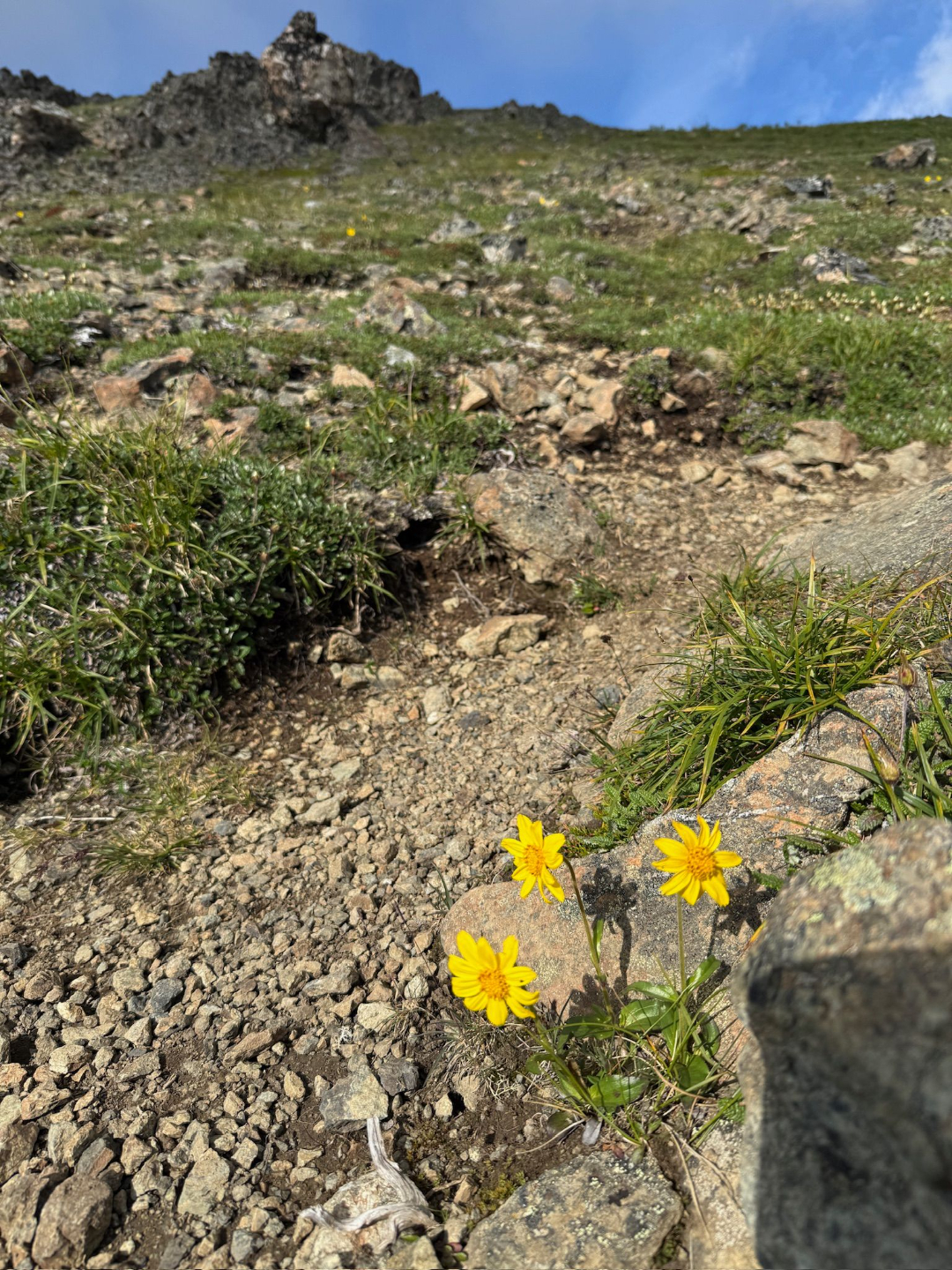
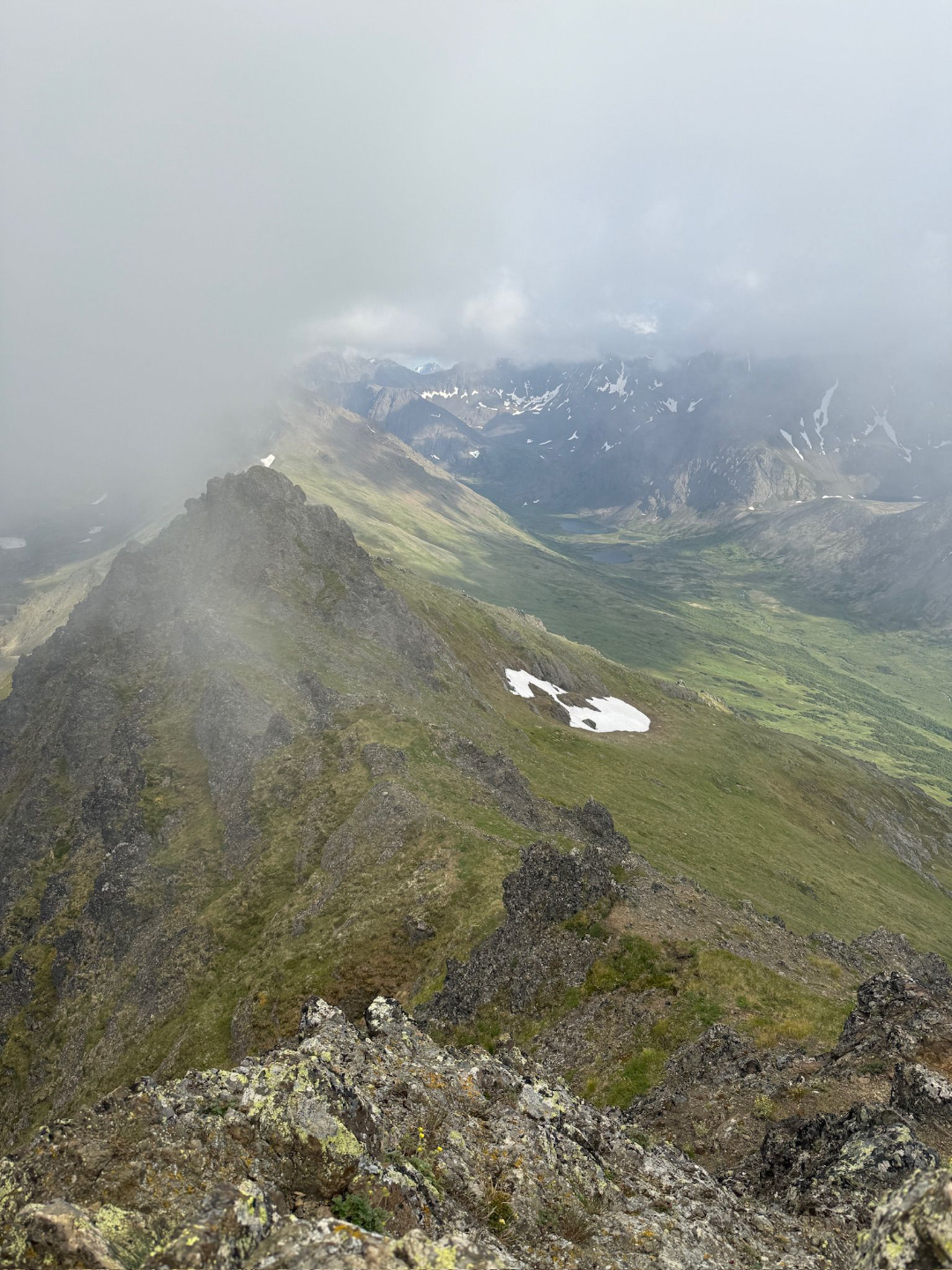
Photos and links from this episode:
www.mindandmountain.co/podcast
Transcript
Speaker 1 0:22
Hello, co-regulation conversations. Sarah here. You might hear my footsteps. I'm out for a hike on a really beautiful summer evening here outside of Anchorage, and I've got some alders that you might also hear rushing alongside me, and I'm glad to be here to be in conversation with you today, I am. We're in the height of midsummer here, and I am still in what I would call integration phase after my time in the Arctic Last month, and I wanted to talk a little bit about that, and particularly about the experience that has been happening around, yeah, around this trip and the the both the joy and like deep love and appreciation that it reinforced in me for nature and the Wild places, intact ecosystems, and the power of being out on the land for an extended period of time-I feel deeply transformed, deeply impacted by my time in that in that place, and it's really a beautiful thing. And the other part of what Feels alive in me related to that, and that was a big factor feature of this trip. Is also eco grief, the the awareness of. The temporary nature of bodies, of our human bodies, and also of the fast change happening in in our ecosystems and on our planet. I mean, there's a lot there, and you know this trip. This trip was incredible. My husband and I got dropped off on a little tundra bench in the western side of the Gates of the Arctic National Park, and we spent we were out for two and a half weeks, and the first half of the trip we were in that area, that Western Gates of the Arctic area, doing some hiking. We did a hiking loop from that zone, and it was incredible in so many ways, just gorgeous, and had some challenges, and had some really blissful walking, and beautiful clear streams to swim in, and beautiful tent spots on the tundra, and lots of caribou trails. I mean, just really, really nice trip. And then we returned to our the place we had gotten dropped off, and we we had cached our pack rafts and half of our food there. So we then gathered up the cash and made our way over a pass and down onto a drainage that took us out through the area where the proposed Ambler Road is potentially like planned to go through, and then we. We floated from there out to the nearest village, and flew home. So the crazy part about the ending the trip in that way, which is something I'd wanted to do. This is a the Ambler Road project is a cause that I care a lot about and have been hearing from the people who live in that area and are more like directly on the ground organizing to stop this road. That just a lot about it and what an important conservation project it is, and also Indigenous Rights Project because all of the 20 communities that are impacted along this proposed road corridor have are against it. They don't want the road. So you know, for many environmental and human reasons. We, yeah, I've been caring a lot about this, these conservation advocacy efforts, and wanted to see the area myself, have some experience there, and maybe you know we'll see what comes of that as far as like if it helps to get the word out about this these efforts. I hope it does. But the reality of the lived experience then of the trip was that I we spent the first two weeks of the trip out, just on our own in the mountains in the backcountry, and didn't see. We hadn't seen. We no no people. We didn't run across anyone. You know, we were totally out there, self-supported after we got dropped off by this plane, and yeah, it was really very cool experience to be able to have to be out moving through the mountains for that much time without running into other people. Wow, I mean, it's Alaska's incredible in that way. There's just not many places on earth that you can have that type of like really deep, deeply personal wilderness experience. So then, on then we're floating out and we float through the this proposed road corridor, which like isn't even all the way okayed yet. They're still in process.
Speaker 1 7:40
They're still doing environmental assessments and such, but the there's like all this momentum picking up right now because of the way the Trump administration is trying to push as many projects through while he can. So we get down to where this road is planned to cross, and we start seeing helicopters. And the these these couple helicopters were flying up and down the river corridor, which was where we were also boating and camping on the gravel bars. And so the day that we were the closest to that corridor, we were just getting buzzed all day long by these helicopters and like over our tent and I yeah like wow we were like estimating maybe 30 trips or something like that and this thing isn't even approved, you know. It's like, and it's having there's just a lot of impact already to the area, just you know, to our experience of the area at least. And yeah, the bridge abutments had already been had been brushed recently, which was really surprising to me. So, yeah, I'm telling you the story to kind of paint the picture, and maybe you can sense where I'm going of the kind of shock of coming into such close contact with the edge of this development project in the area that is just really touched me so deeply. Like I'm still being like when we were floating through there, I was still in this Experience of being so, yeah, being so impacted and touched, moved by the wilderness experience, and then and then to have it be like so, kind of in. Our faces, the way that things could change there was like pretty intense. So yeah, that's just been a big Aspect of what I've been processing and sitting with here in the time after the trip, and yeah, this I thought About the two extremes of that dynamic, that to me feel like some language we might be able to wrap around these concepts that I'm bringing here might be Eco bliss, eco bliss, eco love, eco yeah, and we're going with eco bliss, I think, and eco grief, and the way that they feel like they go kind of hand in hand because it is the it is the size and the power of the of the like love for these places that also then opens us to the heartbreak of the realities that we're also in around you know everything that changes in our lives and bodies, and in with the planet, and things that we have power to impact, and ways we can be impactful, and other ways that may be less so. Yeah. So I wonder, you know, if we want to play with this somatically. I wonder about the experience of like the beauty and the love for you know it really could be anything. I'm particularly thinking about wild places right now. Maybe there's a place in nature, or a plant, or a vista, or something that you feel connected to and want to bring to mind As I'm talking about these, the beauty and the awe that we often feel, and getting to know, spending some time with the sensations of that, the love for these, this like particular wild place. Maybe you have multiple. Yeah, and then the question is, what happens for your body When that is a place that you're connecting with, like what do you feel right now? Basically, when you're bringing a memory of that place or an image of that place to mind, what happens for your sensational experience, especially sometimes we call it like love or makes me happy, and then I'm also curious if there's a layer of just like warmth somewhere or opening openness Or smile comes on, or you know anything you notice, and feel free to spend some real time with it. You know these relational wilderness or nervous system experiences are resources for our for our nervous system. So maybe you have a place that you've been like connecting with over time with these practices, or maybe you just found a new one and you realize you want to like build that one out in your memory and your body memory of it, so it's maybe easier to recall all the sensations of it, and have your nervous system like, ooh, experience something.
Speaker 1 15:47
Yeah, and then the next piece of this is to invite into your awareness the possibility of eco grief, and that could be a lot of things could be related to places that you are concerned about, or areas that are changing. That is hard to see change. There. so many layers of this around. I, us these days. I mean, I think I'm guessing that most of us have awareness of multiple things that we're feeling heartbroken about, and maybe also enraged. It's also also part of eco this eco grief experience for most of us. So yeah, if you've got something in mind, I'm also inviting in the awareness of what the what the body experience is of coming into relationship with with this harder part of the experience, and I'm curious just if it's okay to notice the emotions that are there, and then maybe even drop a layer underneath the emotions and notice the body. Like where is, where are those emotions, or or where and what are the actual Sensations that are happening. So, yeah, just take a little time with that, and I want to invite you to find your right pacing here, because I'm offering this to you in this format, I don't know how much time you need. I don't want to rush this exploration, and especially with these harder feelings, we want to feel them in a way that is not overwhelming. So sometimes less is more. Just coming into relationship with a little piece of this big, big, big thing that we're in a way, we're all holding together this eco grief that is very real, very huge. Too much for any one of us to carry it alone, and I almost wonder see how this feels for you, but I wonder about bringing in the idea of your the place that you love again, the the beauty and the love that Nature inspires in you this place, and feeling there's a way to sort of bring that in that idea in with the grief part, and. Yeah, maybe just see what happens if they can be held together, if they intermix at all, if they the sensations start to shift in any way, just having like some curiosity about that. If they're both, if they're both here together, And yeah, so there's the possibility of holding eco grief and eco bliss in one in each hand, holding them at the same time, or maybe your attention wants to move back and forth between the two, yeah, different ways to play with these somatically. These are different forms of pendulation. For those of you nervous system nerds who've been around here a little while with me, y'all are the best, and yeah, the kind of thing that I don't really expect somatics to help to like have a solution for, or even necessarily make it better. It does feel like, as I've spent time with this, it might help have an easier time holding it all, and actually, actually, like coming into relationship with it all, rather than like being overwhelmed by it and just kind of having to look the other way. So yeah, I think there's something in that, and it. That's some of what I'm hoping. That's kind of what one of my goals with this type of work is that we are able to actually, like, our bodies are able to learn how to actually be with the stuff that we are navigating, so that we can it can move through us, I guess is one way to say that, rather than getting like having to avoid it, push it down, and like lock it away, or just not look at it, and then it it's like still there underground, and we're also like efforting to keep it at bay, so that eventually wears out. Yeah, so I've been playing with this myself, and it does feel, yeah, it's felt useful to. Have some space in my system with these ideas, so I hope that there's something in it for you as well. And one more thought here as I close: the there is you know you maybe have heard of this way of thinking about grief as a as a experience of love that has nowhere to go, and in this case, I was thinking about this. In this case, I wonder.
Speaker 1 24:03
I'm like proposing that it's actually kind of cool that the grief that we have about change, whether it's bodies changing, or landscapes changing, or Development, changing things that don't need to be changed would be that are not changed. The yeah, there there is a place to put that Love still, so you know. I do think another way that when we're able to be with these, the fullness of this energy in our bodies, and. Be able to actually metabolize it is that it it does kind of need a place to go, and to move through ourselves out into the world. My version of somatics is not just about feeling better on the inside, but it and it also is like very practical because this energy actually does to be able to be completed. It does often like really benefit from having a way to externalize it, to actually like move it, either physically or creatively or with some actual like love toward the land, and this, I'm proposing actually here in this case especially that we have the opportunity to be very tangible with this love, and use it for good. Use it like pour it back into these places that we care so much about. So, I that's where I want my advocacy to be coming from. Is this place of deep love, and also like I expect that will help my body too feel like this grief is-we're doing something with this grief, and and that we have some power in the situation, like we're actually metabolizing it into something. So, so, okay, I think that is where this episode lands. Thanks for being here. Really look forward to your reflections. Love to know how this one landed. Thanks for being here, and I will talk to
Unknown Speaker 27:00
you next time.