episode 52:
Embodied Athlete: The Nervous System Behind My Athletic Comeback

Or Listen On:


Show Notes
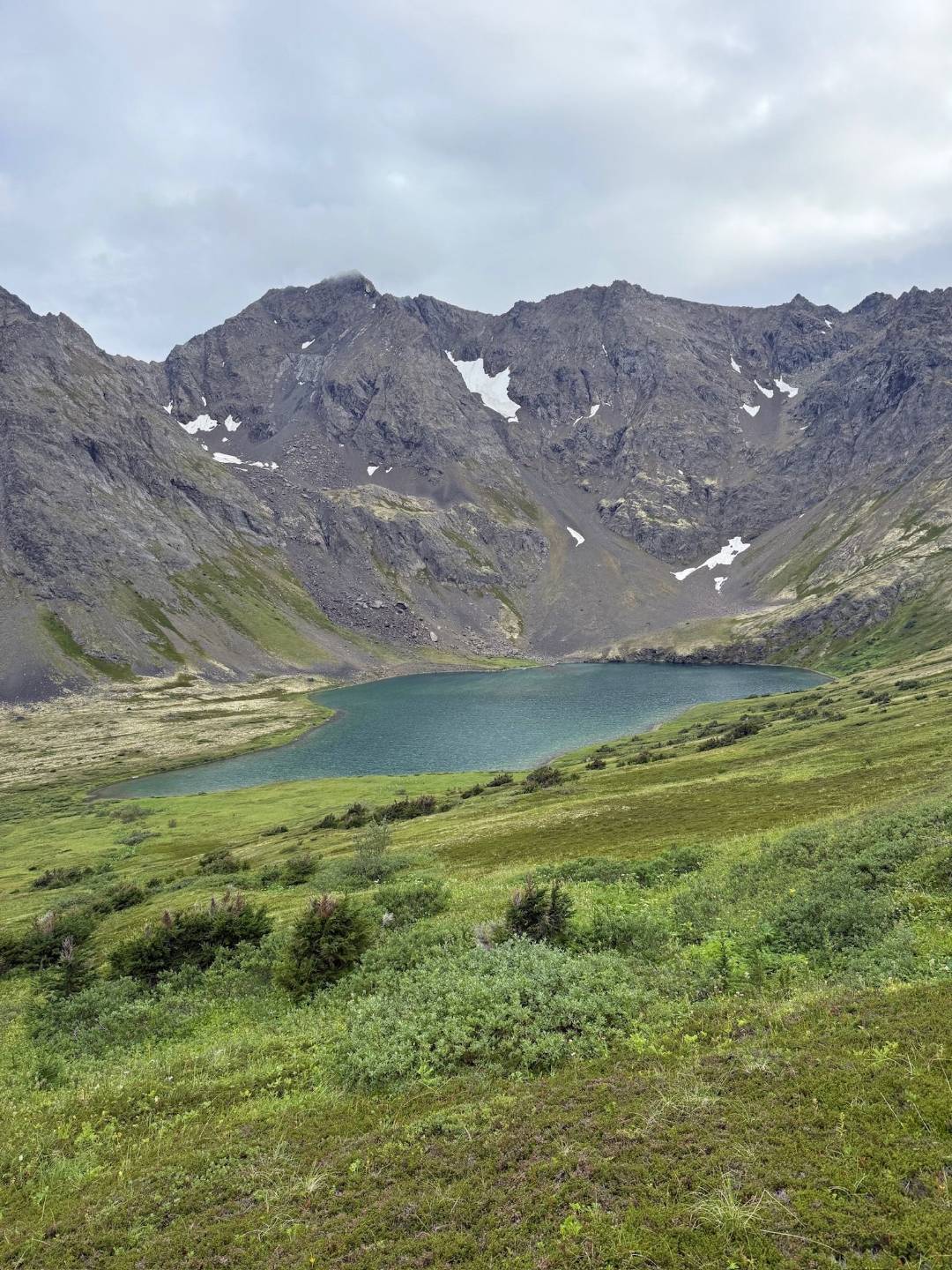
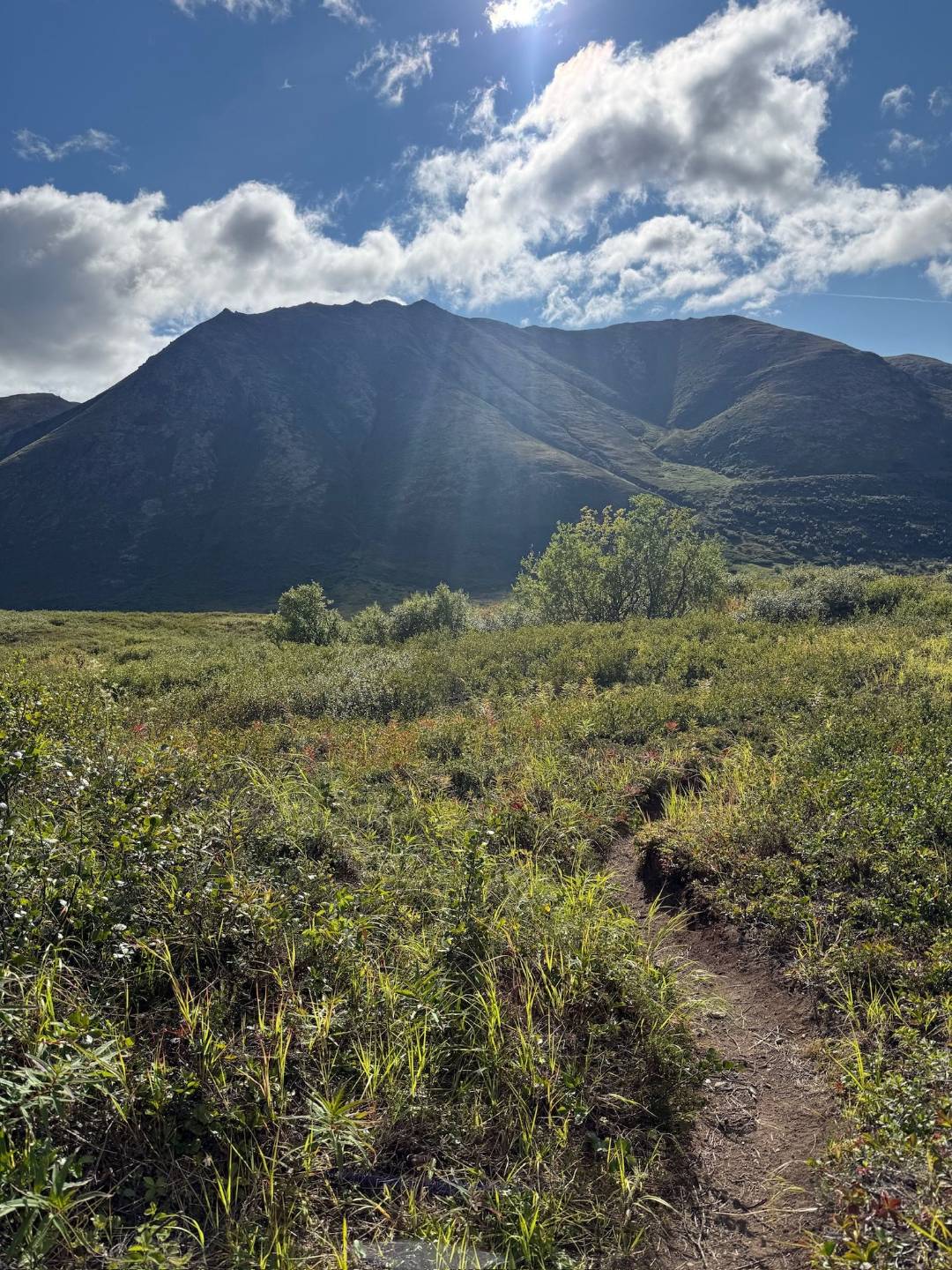
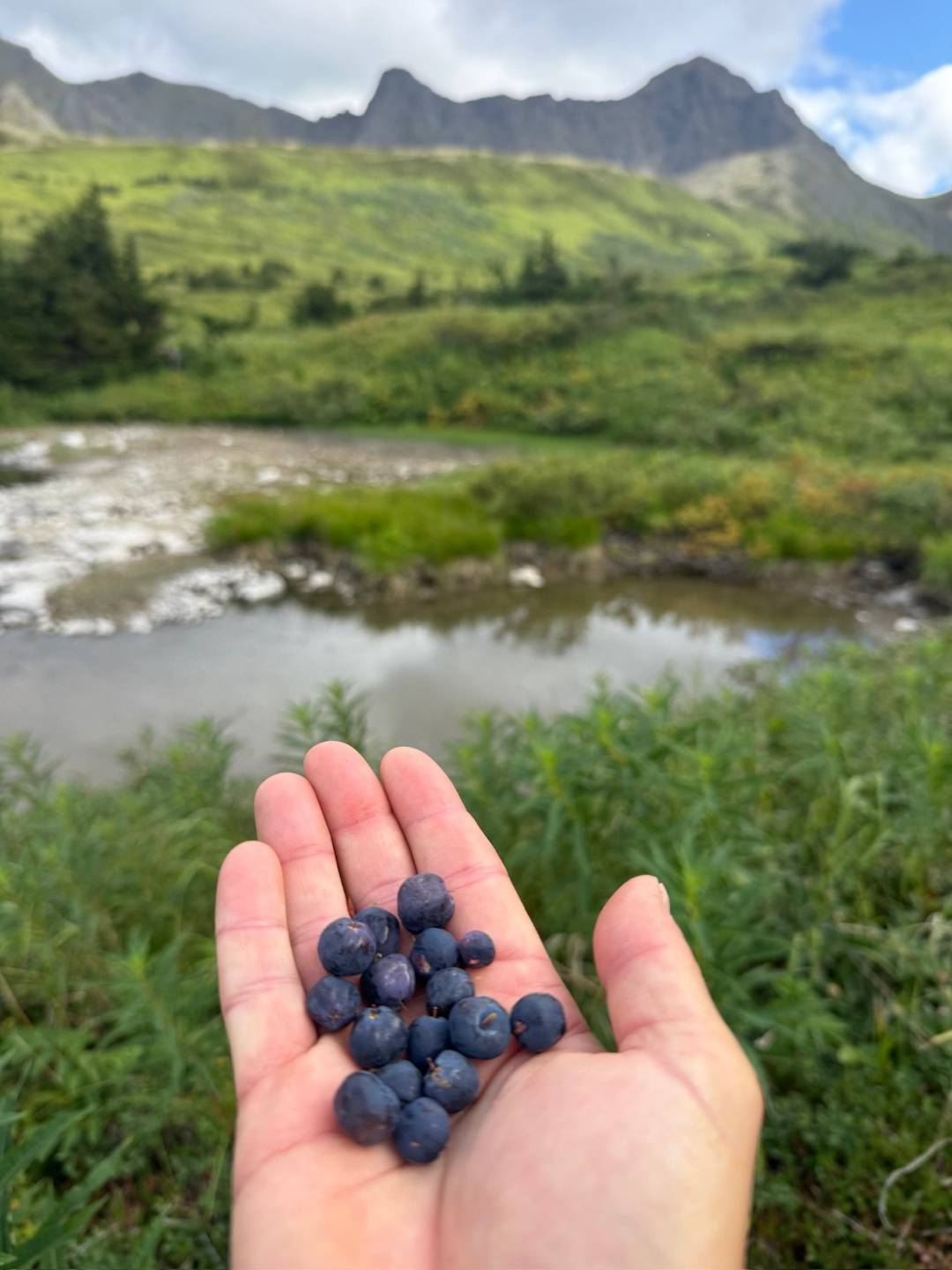
In this episode, I’m out on a ridgeline near Eagle River reflecting on an unexpected athletic comeback I’ve been experiencing this summer — and the nervous system work that I think helped make it possible.
At 44, I’ve found my way into trail running and longer days in the Chugach in a way that feels more joyful and sustainable than it has in the past. I share four pieces of nervous system work that have supported that shift: feeling safer in my body, releasing stored activation, uncoupling activation from threat, and learning how to recognize enoughness and settle after effort.
We also explore the difference between simply understanding these concepts and the slower physiological process of actually repatterning the body — plus why integration, rest, and the space after a big wave of experience are such important parts of the process.
This episode is an invitation to get curious about your own relationship with movement, activation, and capacity — and what might become possible when feeling powerful and energized can also feel safe.
Timestamps
00:00 — Trail running in the Chugach + an athletic breakthrough
03:00 — Finding trail running at 44
05:00 — Celebrating one year of Coregulation Conversations
07:00 — 10 years of Mind & Mountain
10:00 — Public lands, advocacy + protecting wild places
12:00 — Four nervous system shifts behind my athletic comeback
13:00 — #1: Feeling safer in my body
14:00 — #2: Discharging stored activation
15:00 — #3: Uncoupling activation from threat
16:00 — Activation + safety, power, play, and pleasure
17:00 — Physiological repatterning vs. cognitive understanding
18:00 — Access, investment + making somatic work more collective
19:00 — #4: Enoughness, satisfaction + settling
21:00 — Learning to feel safe slowing down
22:00 — Aftercare, integration + space after the wave
23:00 — Closing reflections + caring for ourselves, our people, and the land
Submit your questions for the Q&A [here]
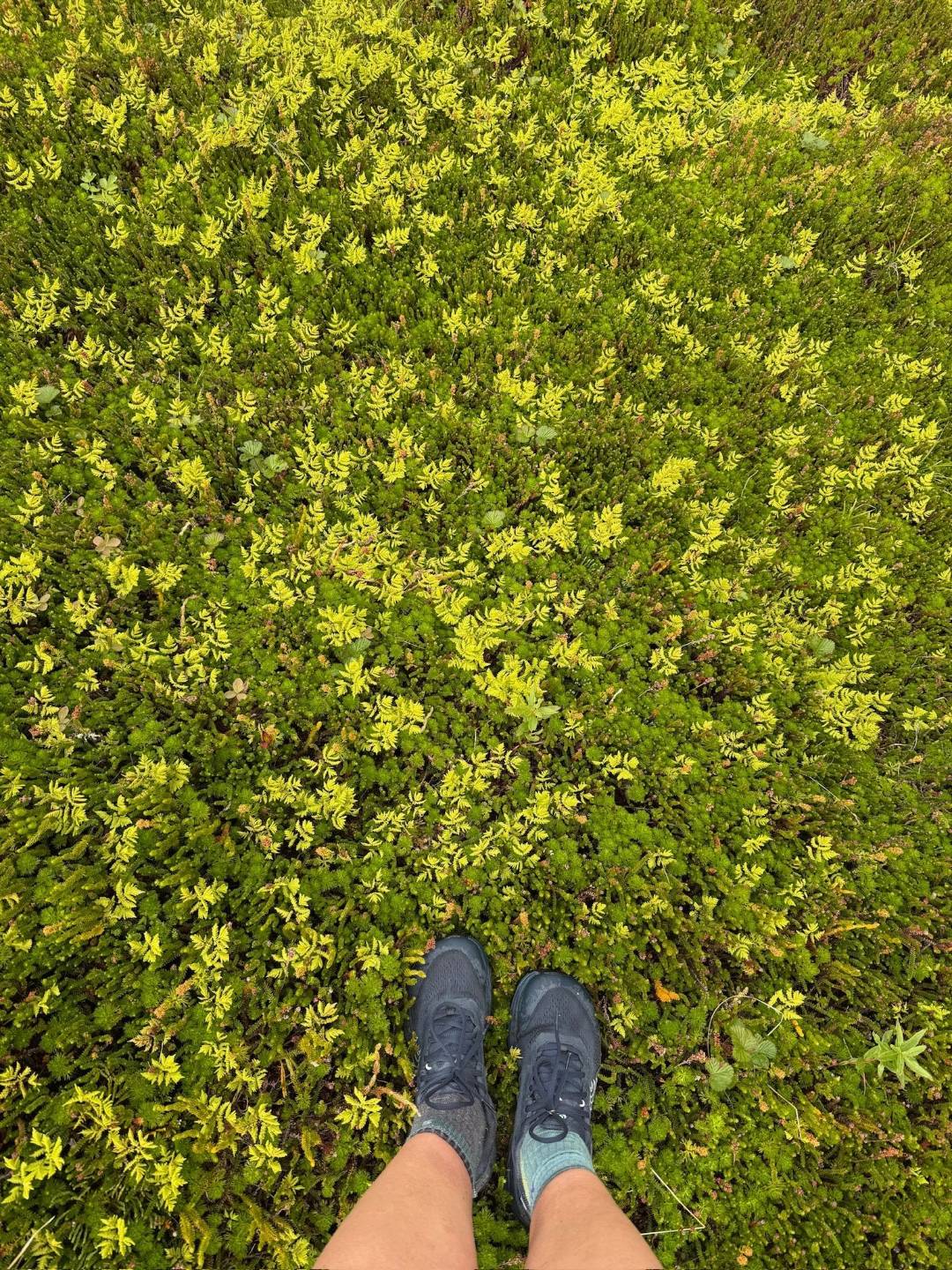
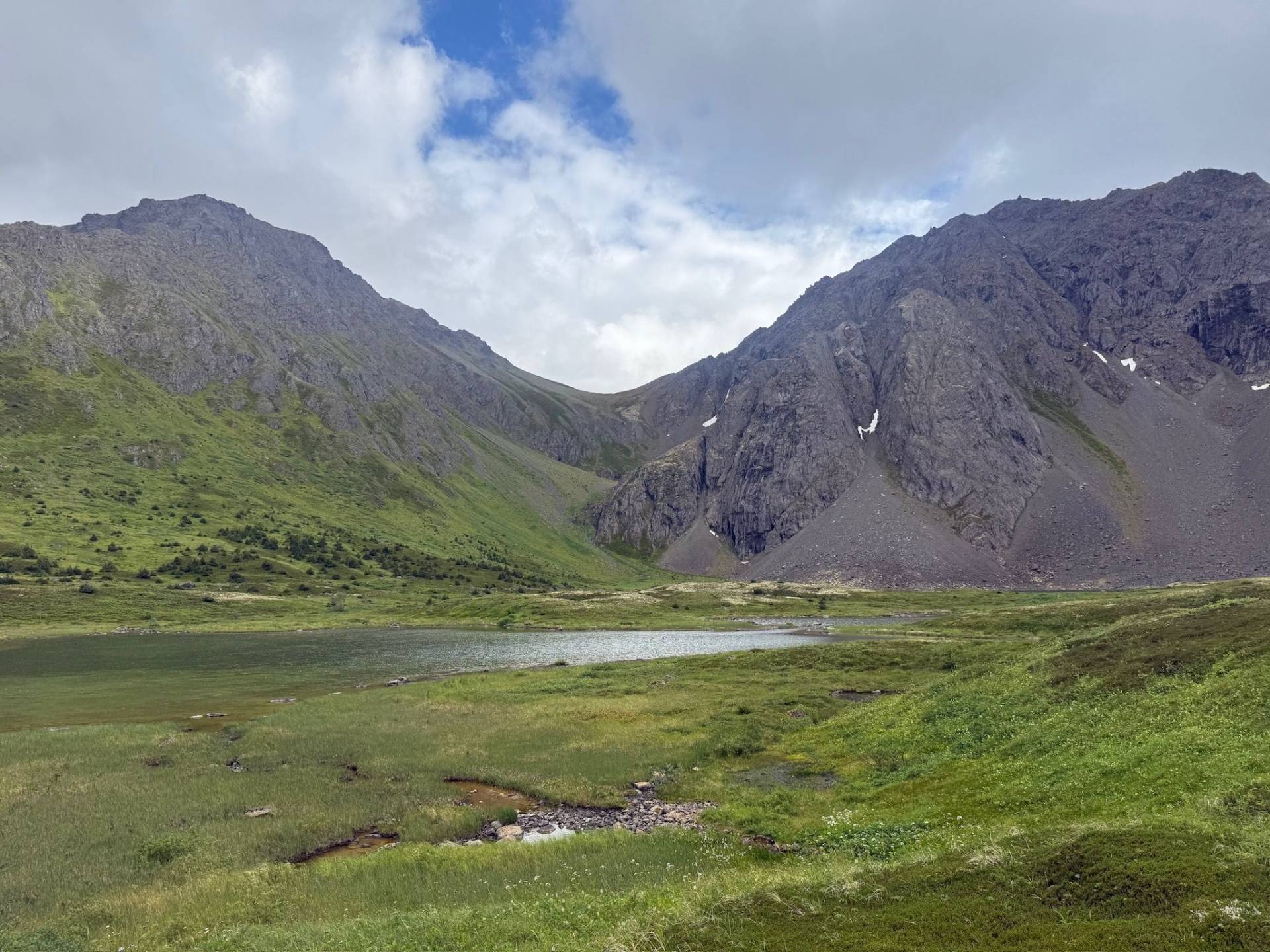
Photos and links from this episode:
www.mindandmountain.co/podcast
Transcipt
Speaker 1 0:12
Hi, co-regulation conversations. Hello from a really cool ridge line in the Eagle River area. I'm having a solo hike on a really pretty day, where it's like kind of mixed clouds and sun, and it's a little bit chilly in the shade when there's a cloud, and then it's really nice when the sun like and warm when the sun's out, and it's been it's been teaching me this weather and the way I've been playing with it with my body has been teaching me about another level of how much enjoyment I'm having from trail running and mountain long days on my feet in the mountains this summer, and so it inspired me to talk to you about this athletic breakthrough season I'm having right now. Oh my gosh, it's so gorgeous! I cannot. I'm trying to express or share this place. I think maybe I'm going to take just a little bit of video here. Okay, so now I'm include now I'm filming some audio and some visual. Oh, let me just say hi on the camera here. Hey, let's try this. This place is so pretty. I feel like I really want to share it just for a little moment with you. So I wanted to do this episode about my. Enjoyment of trail running in this season of my life. I kind of just found my way to it this summer with the help of a friend, Hannah. Thank you for being my like yeah, one of the bridges here, and it's like getting me to some really beautiful places. It's kind of blowing my mind. It's really been a fun way to connect a bunch of places in these two-thatch Mountains that I had been to in different ways, but now like link them up, and I'm just having a really great time with it. So I want to share some of what it's felt like mine has changed in my nervous system, and what's supported this breakthrough, new kind of like athletic year at 44, and yeah, I always like learn by sharing, like noticing, experiencing myself, noticing, and then sharing what I've been noticing, as like a way to prompt potentially you also to notice things about like what's happening for you as you go through whatever stage of life like you're in right now too, so I hope that my sharing is first just fun because I'm just like really loving it. So I think it'll be fun to just be in that energy, and I mean this place is incredible. So why would you not want to come just hang out here with me for a little bit, huh? Okay, so I'm gonna go take the video off now and just go back to audio. Okay, so now I'm back to audio. Hello, we're in the same place. I, you know, just to go behind the scenes with me in the process. Here, you know, I'm trying to figure out how to do this podcast project in a way that is like generative and doesn't take too much away from my experience of also being out here. You know, so playing with different I don't know audiovisual like. This is always a question, actually. Just so you know, I'm always holding this question about how to be in this place, share creatively from what comes up to me when I'm in these places, and then put it out into the world in this modern way that we have right now. So I don't have any answers about that one. Okay, which reminds me, I've been wanting to mention I'm celebrating that this podcast is a year old, right about now, so cool. I think this is going to be episode 52, maybe somewhere in here. I mean, what a cool project to have put a year into, and I want to thank those of you that are here. You are all the Best, you're the OGs of the co-regulation conversations world, and I still do not feel like I have a great sense of where this is going necessarily.
Speaker 1 6:15
But it's been a really fun and useful, creative project for me to be engaging with this year, and just having to share my something that I've been thinking about with you in a in a deeper way than social media allows, and a more kind of casual stream of consciousness kind of creative space, rather than a more formal teaching one, you know. And then, you know, I'm playing with so much. I feel like can we do this outside and have it be something that works for me and for those listening. So yeah, big experimentation. Thank you for being along as we as we learn and yeah, we're always looking to step things up a level in like quality too. So if you are, if you know someone who knows what we need to do next in that realm, be in touch. Yeah, we. I plan to keep doing this for the next cycle, and yeah, what fun! Oh, and I mean, I'm also celebrating. Mind and Mountain is celebrating its 10-year anniversary this fall too, so that's pretty fun to consider. 10 years of ski babes and summer strong and balance Training and exploring this world of nervous systems and mental health and fitness and being outside, connecting with nature, co-regulating all of these social justice and building the world that we want to see, both in the outdoor rec community where everyone belongs, and you know, body body neutrality, body liberation work. This whole thing we've been doing together. So yeah, thank you. It's so cool, really. Thank you for being a part of that, and I hope you can sense the way that there's like a cool connection and a thing we've been doing together. Whether or not you've been here since the beginning, or you just joined us. We're doing something here, and it feels very cool to like name that and own it and step into the. Gosh, it's gorgeous. I just came around the corner. Step into the. The truth of that, and you know we'll see where we go. Okay, I gotta stop and take a picture. Okay, so unfortunately, it's a little bit windy Out and also, this is like I have some things to say to finish up this topic. So, if you are someone who knows, or you know someone who knows what kind of mic I should be wearing, or how I should be. Could be potentially, yeah. Recording in a moment like this, without the background wind noise, which I'm just guessing is a little bit unpleasant. I don't know. Maybe it's nice. Maybe you like it. Let's. Yeah, I like it right now. It's really, it's a nice like cool breeze on kind of a hot day. And okay, so I'm going to get into this topic, the ways that Somatics have supported this breakthrough athletic year that I'm having in trail running. Slash, I mean, it's really just like long hiking days with some running here in the Chugach. Which I'll also just mention the roadless rule and the advocacy aspect of what I am feeling called toward these days-to we need to do public commenting and get on the road this rule. Yeah, anybody cares about the Chugach where I recreate, and the Tongass in South Central Alaska, and so much, so much, so many other really special places. So, okay, big love for Alaska and public lands, and these wild places. Oh my gosh, they are incredible and so powerful. And oh my gosh, we do. We have to both appreciate them and enjoy them, and also do what we can, do our part to protect them with our words and time and care. Okay, so I've got three main kind of skill buckets, things that my nervous system has learned that's made this process, that's supported this process of like a I'm calling it a comeback, an athletic comeback after a slow season. Okay, so one of them is that my body feels safer than ever. So I'm going to talk more about each of these. Let's see if I can list them and tell you where we're going.
Speaker 1 12:54
So my body feels safer than ever, and I know how to support that and access it when I need it, and then the charge that has been in my nervous system that was running sort of like the gas on a like a gas stove, just kind of like running, and then when something would happen, it would be like the match would light up the whole, all that charge that was there versus, you know, with the gas turned off and something a match lights and it's not as explosive a moment. So I basically figured out how in my body, nervous system, to discharge the stored charge, the like ambient charge that my body has been holding for from various different events across my lifetime, and maybe my ancestors' lifetimes. You know, like who knows? In that realm of things. There's a lot of things that are possible, but yeah. So the discharge and the release, and so there's just less charge in my body. That is one has been a big one, and then okay, and then I the third is that I have been able to uncouple activation and threat, and and be and because of that untangling work, now there's a way I feel I can more more often access a sympathetic an active-that's the active branch of the nervous system that mobilizes us in fight or flight, but also mobilizes us when we're feeling really safe and strong and good and motivated and psyched and energized and purposeful and like in our power. And so, there is a way that that uncoupling has made this like it's called like it was probably uncoupled, and now it's actually coupling up this idea of activation and safety, activation and power, sympathetic nervous system for good in in play and in pleasure and in power. Okay, that's a really good one. And then the those are the three I was thinking, but I knew I'd have a fourth when I came here, and I do. So the fourth is that there's this whole other bucket of nervous systems. It's feels physiological to me, like the actual tissues of the body had to reorganize somewhat to allow for all of this to happen. Like it's a very physiological, body-based, and the way your nerves function kind of process, not just like having the cognitive idea of it is different than the physiology of the body being able to like access that state. So this is actually all a tangent that's still leading to the last one, but the rest of the tangent is that the there's a way, like because it's been a physiological repatterning aspect to all of this, as well as the insight that I hope that you're like also having some of yourself through this exploration. But the it's been a lot of work and a ton of investment, and I have been putting a lot. I put a lot of resources, in time, and money, and attention on this. And I, I don't want to like pretend like that wasn't real. You know, I just I don't know that that level of commit of like not everybody has access to that much as much time and and like resources as I put into it. So I'm like very aware of that. And now and also I'll just finish the thought there-it's that's a big part of why this-the question of how to make this work more accessible slash more widespread group oriented outside of a one-the one-on-one therapy that I've invested so much in and believe so much in, and also, can we like somehow do this collectively instead of one at a time? I really wonder. Okay, now I have to take a picture of this. What I'm seeing right now, because that's just so pretty. Hold on. Okay, it's really pretty. I hope you go look at that That picture-it's gorgeous. Video. I wish it could be here. Okay.
Speaker 1 18:04
So yes, there is this final bucket of skill in the and like work that's been for me at least around the sense of what the what's enough enoughness is, and satisfaction, and how to catch a wave that like can can be enough and like can settle, and the you know one of the this this one's some like really hard sometimes for me to put language around, but I wonder if there's a way of like sensing the the way things feel when they slow down, and like and like often we don't like that feeling in our bodies, many of us, and so the there is actually a somatic skill in feeling the sensations of our bodies slowing down and and like recoupling that with like the way that that feels like there's a maybe possibility of a pleasurable experience of that, but currently we might have it sort of like tagged up as unpleasant or unsafe even. So the work of in this whole-it's like aftercare. This is all like aftercare, kind of like advanced. How do we take care of ourselves and each other and the collective? There's yeah, there's a way griefs in. Here, there's a way that, and there's a way that like space and settling and the the learning the skills of deactivating, just just that skill in itself. That's all part of this. And then there's the in space for integration, and the way that integration and space between things is often when we can land there. There's often a potential for some kind of insight to arrive because insight often comes after the wave, so so anyways, that's a whole. That's a I don't know what the term is we're use like I'd use for that. Maybe it's aftercare. Sometimes I call it settling, but it's also like the kind of the fall season. It's kind of ludial. Yeah, lots of different aspects, ways to explore that. Okay, so I said I was going to go back and talk about each of those individually, but I actually feel pretty complete right now, just having given that much information about them all. I'm like really curious to hear how that all is landing. If you resonate, if it sparks any curiosities or conversations from you, and I'm gonna log off and get back to my hike slash trail run, finish out this gorgeous day. Okay, thanks for spending this time with me, and take really good care of yourself, and of your people, and of your land where you are, and let's just take take care. Find some something beautiful, and find something that you want to take action on. Those kind of feel like the goals each week. You know, it's like find something, a way to take care of yourself. Find a way to take care of your people, and like, yeah. Wow, going on a totally new tangent here, right at the end. Okay. Well, I'm gonna have to put some thought into that. Come back around. Okay. Thanks for being here. Talk to you later.
Transcribed by https://otter.ai