episode 33:
Play as a Resource,
Not an Escape

Or Listen On:


Show Notes
In this episode, I’m out on a spring walk in Alaska, exploring the idea of play as a resource — and how play can support our nervous systems in meaningful, practical ways.
I share a story from a long backcountry ski trip that shifted my perspective from struggle into play, and use that to explore how play isn’t just something we do — it’s a nervous system state we can learn to recognize and cultivate.
We talk about how play lives in the balance between challenge and safety, why it’s essential (especially in hard or uncertain times), and how it differs from avoidance or “escape.” I also share how this concept is showing up in somatic workouts — especially the practice of uncoupling intensity from stress.
Along the way, you’re invited into a simple somatic exploration to notice what play actually feels like in your body, and how you might begin to access it more often — both in obvious “play” moments and in everyday life.
This episode is an invitation to reconnect with play as nourishment, as information, and as a way to support yourself through both challenge and joy.
Timestamps
00:00 — Walking in spring + introducing play as a topic
02:00 — Play as a nervous system resource
03:00 — Why play matters (especially in hard times)
04:30 — Story: wilderness ski classic + caribou moment
08:00 — Shifting from struggle into play
09:30 — Play as a nervous system state
12:30 — Summer Strong + somatic workouts
14:00 — 10 foundational somatic skills (new class)
17:00 — Cultural messaging about play vs. work
18:30 — Play vs. avoidance / escapism
20:00 — Balancing challenge + pleasure (counter vortex)
22:30 — Play as nourishment, not bypassing
24:30 — Practice: accessing play in the body
26:00 — Noticing sensations of play
27:00 — Nervous system explanation (sympathetic + ventral)
28:30 — Homework: noticing play in real life
30:00 — Expanding play beyond “fun activities”
31:30 — Play + curiosity in everyday moments
33:00 — Safety + nervous system awareness
35:00 — Applying play to workouts + intensity
36:30 — Uncoupling intensity from stress
38:30 — Play as an indicator of safety
40:00 — Bringing play into daily life + movement
41:30 — Why play supports growth + learning
42:30 — Connection, shared rhythm, and play
44:00 — Closing: go forth and play
Resources
- Get all the information about Summer Strong here!
Submit your questions for the Q&A [here]
Photos and links from this episode:
www.mindandmountain.co/podcast
Transcript
Sarah 0:18
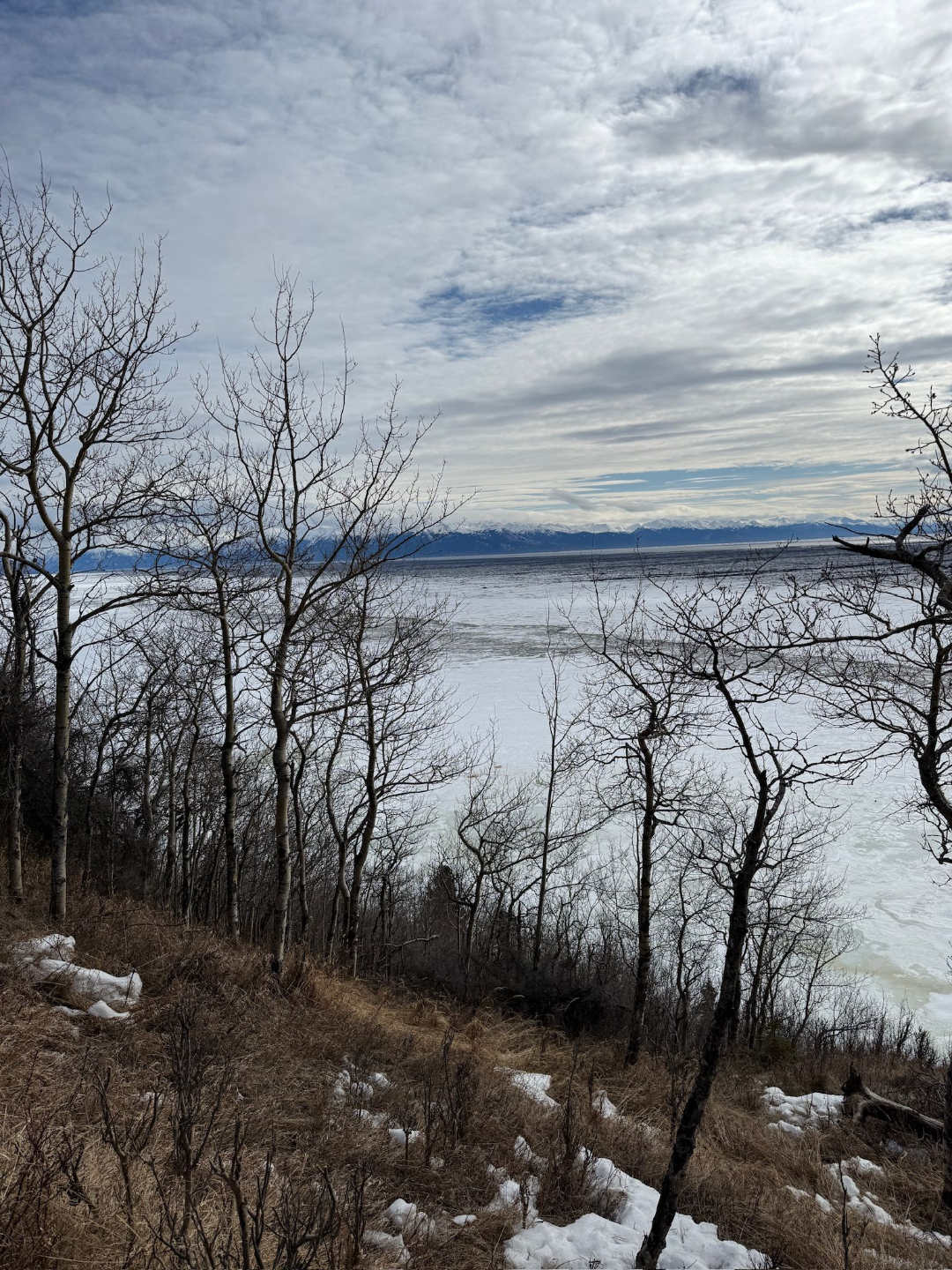
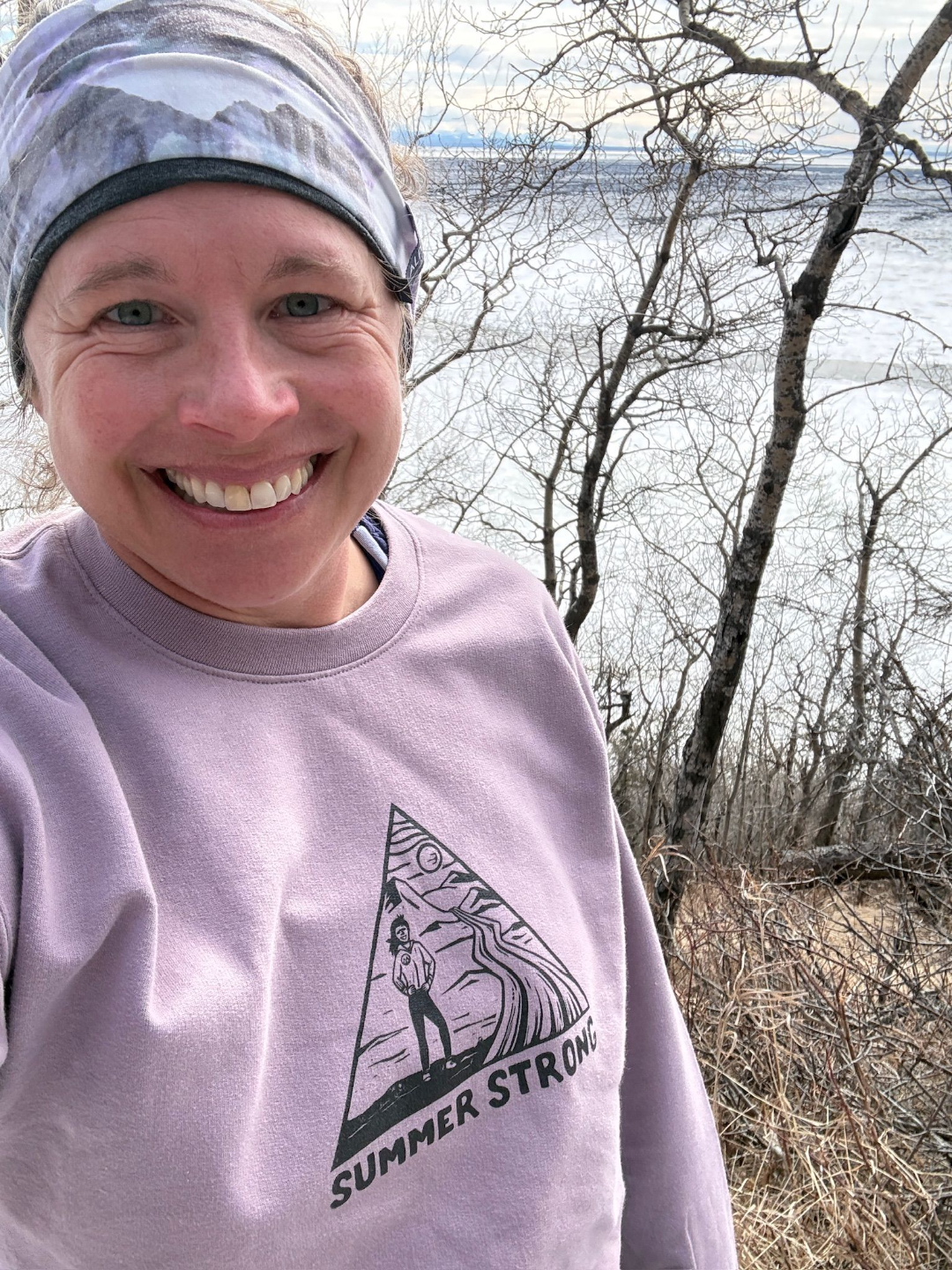
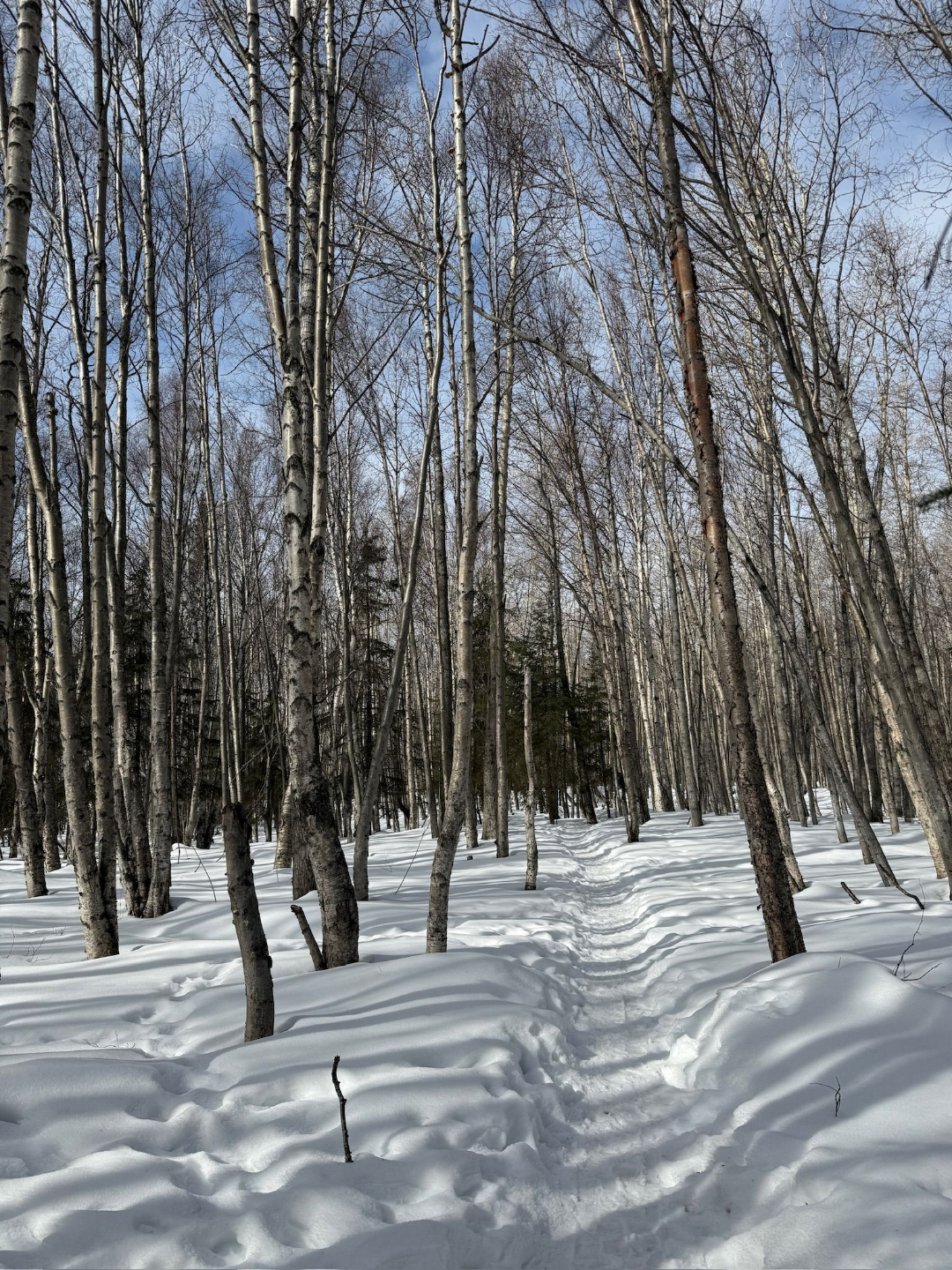
Hi there today. You might hear some background snowy walking noises. I'm out on a walk on a snowy trail that's a little bit soft and squishy, because that's what we've got here in the spring in south central Alaska, still have lots of snow here in early April, but it is warm. I'm out in a sweatshirt, and the snow is getting soft, so that's what you might be hearing while I talk. I am excited for today's chit chat, because when I thought of this topic, I was just immediately like, oh my gosh, there's so much to say about play. And I mean, what a fun topic to explore, right? We love play, whether you're an outdoor rec type of play person or if you have kids and you're doing a lot of playing with them, or maybe you're just, you know, trying to figure out what play means in this stage of life, which I feel like many of us are as adults, trying To understand what it means to keep play alive. It's a there's really a lot to say about that from a nervous system lens, and I'm framing this up as play as a resource, meaning that play can be a tool that we use to support our nervous systems intention. Intentionally. There's ways that we can use it to escape things and maybe, like, just reinforce our nervous system habits too. So I'm going to talk a bit about that as well, but I want to, yeah, just think about, talk about here how we can use play well, and especially thinking about that in advance of summer and all of the potential play that will be available for us in the summer season. Also amidst the really challenging political times that we find ourselves in, here, in the US and globally, I do have this belief. And it's not just a blind faith belief. It is like, based in what I have studied and seen in clients with using our like, you know, this isn't just an idea. This is based in what we know about the way nervous systems work, the way that we can like that. We need this side, the more the pleasurable and the beautiful and the we need the counter vortex part of our lived experience to be a priority and to be a part of how we operate in the world in order to heal and to keep ourselves going and to remember what we're fighting for. You know, like there's so much hard stuff out there, the plague and the counter vortex, the more pleasant positive stuff is also equally important to be paying attention to. So okay, that's my preamble. I want to tell you a story before I get into this, and then I've got a couple announcements, and then we're going to talk about play. Okay, so here we go. The story is from when I was doing the wilderness ski classic. I think this was my very first time. I was this is a long distance ski challenge, like an A to B route that.
Sarah 5:00
It covered about 200 miles in the Rangel mountains in Alaska. And the first time, first couple times I did it. I did it with my brother. We were way in over our heads. Did not know what we were getting ourselves into as a really challenging, self supported and we were relatively new to this type of back country travel, and by the time we were getting toward the end of this thing, it took us seven days the very first time we did it, and the route that we were doing went over, we're getting, like, toward the end, but the route went over one more big pass before the end, and we were very tired, and I was like, slogging my way up this up this pass of this route, and I saw some caribou up on this, this high mountain pass. What are you doing up here? Caribou? You're like, Why are you out here in this like, working so hard in the snow to climb up this pass? Like, why wouldn't you choose somewhere easier and like, more pleasant to be hanging out right now? Basically, I was struggling personally and tired and feeling like I was working so hard, and why are we doing this? Why are you just have this one more hard part to do before we get to take a break at the end? But, and I was projecting that on these caribou, thinking, like, why are you doing this? Why don't you go do something easier? And then I had this realization of, like, oh my gosh, I'm doing this by choice. Nobody made me do this, and I'm certainly here because this is something I wanted to do. I wanted to see if it was possible and if it was something that I could take on. I mean, no one's making me do this. And I realized that I was there by choice, and I mean, in a way, that this challenge, the smelters classic thing, was a form of play that I opted into. And even if it was like hard and challenging, it also was something that I was doing by choice, and that shift made me realize that I was, I could, I could enjoy the experience that I was having, even if it was physically, quite challenging, emotionally and mentally, all the things, but the it helped me shift from a place of struggle and almost victimhood, like really focused on how hard it was and how I couldn't wait For it to be over, to a place of play and appreciation for what where I was and what I was doing. So thanks to those caribou for helping me get back into a place where I could enjoy the experience I was having and put it in perspective, because it really was an incredible thing to be a part of, and that that in itself, is the essence of what I want to talk with you here about is like, what happens if we can shift ourselves into a perspective where we're able to hold the nervous system. State of Play as something that is really valuable to be in and hold it also as it this as a tool. We can hold play as kind of a marker too, of where our nervous system is at, because if we are in the state where we're working really hard, but it's not feeling fun, and it's feeling more Like a struggle, it's feeling more painful or like a challenge, that's a state. So now I'm getting into it. Okay, in nervous system terms, this is a state where movement moving, we're mobilized. We're doing something challenging. That's all sympathetic
Sarah 9:59
nervous system. Branch. And often there's a bit this is a blended state, right? So there's often some ventral vagal state as well, which is the branch of the nervous system that does our connectivity, relationship like play, usually involves a bit of interpersonal dynamics. And so we've got this blended state between some sympathetic activity, because we've got action mobilization and some ventral vagal where we have social connection. And so both of those branches are working together here when we're in play, but for it to be play, we have to have a safety factor around so that we also have to feel connected with the experience of being safe. Safe enough, you know, doesn't have to be like perfectly safe. Nothing ever is but safe enough to be able to enjoy the experience rather than feel like brought down by it, or like we need to be in survival mode. So that's the kind of flip that I'm talking about in this story. And I wonder if you might also be able to connect to this sense of like when we're moving doing something maybe that's challenging or requires some effort. We've got maybe some people around, or maybe it's just the CO regulation that happens when we're in connection with nature. And one of these questions here, as we're exploring play is, can we do those challenging things and do it from a state of safe enough to be able to enjoy it and have it be something that's fun, rather than Something that's just an experience of hardship or suffering. Okay, I had to take a little pause there because I'm walking on a trail that's close to the beach here in Kincaid Park in Anchorage, and it's getting a little windy as I get closer to the beach, so I stopped to take a quick picture for you. It is really beautiful, and now I'm turned back around and headed away from the wind, so hopefully doesn't mess up the audio too much. And we're back. So okay, maybe this is a good time for my announcements before we circle back to the play conversation, the two announcements that I have, one is that summer strong is gearing up. We're starting the cohort for that training program on Monday after this comes out. So that's April 13. And of course, you can jump in anytime, if you want to start on your own schedule, but if you want to be a part of the group cohort experience for 2026 now is the time to get in the door. And yeah, that also, there is a tie in with my second announcement here, because think if you've been listening here, you know about the way that I've been recording new workouts and teaching some live workouts as well throughout the winter, with this new somatic emphasis that weaves in a lot of the stuff that we've been talking about and exploring here in CO regulation conversations. And I sat down to try to help look behind the curtain and explain to people what it is that we're doing inside of those somatic workouts. And when I sat down to record a class, a little teaching about what these somatic workouts are, all about, why they work so well, and what the skills are that we're actually practicing in them. What came through was this whole methodology of the the 10 foundational somatic skills that we need if we're going to do any type of nervous system work, and if we're going to work to support our nervous systems in any context, meaning that they're like the foundational skills that I teach people inside of my therapy sessions, but then also inside of group practices, and they're the things I'd want you all to know were you to want to take to support your nervous system in your outdoor rec adventures, but then also in any context, in your in your work life, in you're going through big transitions
Sarah 14:59
of some sort. And. Parenting, in your creative practice, in your advocacy, all of it. These are the foundational skills that we use across the board. So so I was basically like, oh my gosh, this is, this is, like, I've got to teach this somehow. And whether or not people want it inside of the workouts that we're doing inside of summer strong, or if they just want to take these skills and apply them to other aspects of life, I got to teach this foundation class somewhere. Okay, that is the thing about Kincaid walks is that it's pretty close to the airport, so there's sometimes big planes that fly overhead, and hopefully it's better and noise wise for you now, yeah, so this class coming together next Thursday. That's April. Gosh, what is it? April 16, I think. And I'm planning it for free for people who are in the training membership. We haven't decided if we're going to what we're how we're going to price it for people who are just dropping in, but I will put a registration link, and I'll have that information figured out by the time we publish this episode, and you can get registered and or at least just save the date and plan on coming next Thursday to this class found 10 foundational skills for your nervous system work. I'm really excited about it, especially about the way that information just like, Boom, just like, came in. Like, I don't know if this language totally resonates, but I if the idea of like a download is real, I feel like that's what happened to me with this, like, the methodology for this class. So I'm pretty excited about it, looking forward to sharing it. And that concludes the announcement portion of the episode. Okay, so now we get to transition back to talking about play. So, okay, what I want you to know here is that play like I think there's so much in our culture that tends to maybe minimize it, or feel like work is what's important, and play is what happens on the outside of that. And I mean that messaging is in all sorts of different ways, you know, like, what matters is the problems in the world and the pleasure that we encounter like that's just what we do on the weekends, that that whole frame of thinking about hardship versus the things that are good, that completely flipped for me when I started to get into this realm and study nervous system work the emphasis. And it took some time for me to really, like wrap my head around this and understand the nuances of it, because the I've also seen quite a bit of stuff inside of even like the positive psychology world and inside of like social media wellness world, where there is, for sure, such a thing as toxic positivity and spiritual bypassing and just doing the pleasant stuff in order to avoid any discomfort or anything that would be like engaging with any actual social problems or change making work. And so it did feel like kind of confusing for a while to understand how, how it is to do the the stuff I'm talking about here, like the the counter vortex work, or the work of being In contact with pleasure and play and awe and these positive experiences of life and recognize how important they are inside of nervous system, healing work and just operating as a human being with a nervous system, whether or not you need to feel like you need To be in like a healing mode or not, the experience of being in contact with pleasure and play and comfort and awe and all of these things that are on the we put build a continuum
Sarah 19:57
that goes from negative through. Neutral over to positive. All of these things that are on the neutral to positive side of things are often things that we need to work to come into relationship with because of the way that our nervous systems, attention, like automatic attention, will go toward the negative. Negativity bias, stuff like the stuff that's wrong, the problem, aware thinking so many of us in like to balance that out and to be able to come into relationship with all of the experience that we have available as a human and to be able to balance out our nervous systems perception of the world as not just the really uncomfortable, difficult stuff, but a balance of challenge and pleasure we we often need to over emphasize the counter vortex, the pleasurable stuff to come into, like, right relationship between the two. But not everyone. Like, there are people who are very like, I guess avoidant would be one way to say that. Oh, here's another point, and we're back. So, you know, I think probably know some people, or maybe resonate some in yourself with the response that some of us inside of outdoor recreation culture have of just like anytime there's a problem. Anything's hard, just going to go to the mountains, I'll feel better. And once I feel better, I can come back and get on with it. And like, don't have to deal with that hard stuff. If I can just go run to the mountains feel better. And like, forget about the problems at hand that is more that's more of like an avoidant response. And that's not really what I'm talking about here, though. It is very real and not uncommon, and so something to be aware of and have some like skillful self awareness around I think the difference here that I am trying to like, feel into and explain is what it means to be in relation, really relationship with our play, such that it nourishes the body, and we're able to use it as an indicator of where our nervous system state is when we're doing when we're experiencing something challenging. And then we can, we can be fed by the experience of play on a body level, and from there, then go and engage with the things that are hard about life, that are challenging us in various ways, and maybe even our engagement with those things can have a flavor of play to it when we are, like, very well supported inside our nervous systems and and good at this, I think even its potential for even the hard stuff to have, like, a playful kind of quality to it, maybe not everything. I mean, I'm guessing not everything, but in those cases where play isn't available in the moment, then I do think that there is also a way to skillfully use play as a way to pendulate, as in, like, take a break from engaging with The hard thing. Go access some nourishment, some play, some counter vortex time, and then from that, be fed enough inside of your nervous system to be able to go back and engage with the hard things. So not as a way to, like, avoid the realities of the world and bypass stuff and just pretend like everything's good, but instead of a way to help ourselves be studied enough to to engage well with the world. Okay, so here is my question for you. Want to do a little bit of practice with this. I would love to bring the body in here and see if you can, either, right now, in this moment, access a little bit of, like, fun, flirty playfulness.
Sarah 24:55
Maybe, if you're, I don't know, walk, you bring, like, a little bit of sleep. Asked to the way that you're walking, see if there's, you know, some way to make the experience that you're having right now just like a little bit sillier, a little bit more delightful, maybe childlike, if that's not working for you, another way to access this might be to remember a time when you were in a really playful state. And what we're looking for here is either in the moment that you're in right now or as you recall a moment. I want to know what the body sensations are that you're having now. So what happens in your body right now as you tap into that state of play, either through your memory or through your lived experience in the moment right now, I get a sense of like, what are the sensations? Where are they? Is there warmth? Is there openness? Is there a lift? There? Facial expression that happens? I so there a texture to what you're noticing. Is there any part of the body that's really obvious, having, like, a particular experience inside of this play, just having, you know, taking a moment to get to know the somatics of your body in this moment as we touch into the idea of play.
Unknown Speaker 26:55
And my idea here is that play is a nervous system state.
Sarah 27:03
So this is a state that we find ourselves in. And again, if it's helpful to understand the polyvagal read on how we understand play in on like nervous system terms, it's generally a blend of some sympathetic branch, meaning the branch of the nervous system that mobilizes us, that gets us to move and do things, and the branch of The nervous system that brings us into connection with others that one's called ventral vagal so sympathetic and ventral together in safety, when the body's feeling safe enough to let down its guard and not prioritize, doesn't need to prioritize survival. It can soften a bit more into the this, like neutral to pleasant side of things. It's like plays usually got an enjoyable quality to it, right? And so, so that's kind of what we are trying to get a sense for, what that feels like. What are the sensations of your play state so that you can look for it and recognize it when it comes back around. So this could be a little homework assignment. Should you want to play
Speaker 1 28:38
with it? Play would be to see if you can notice
Sarah 28:44
the play state when you're feeling it. My guess is that there are going to be some times over the next week where it's really obvious because you're like, doing something that we would categorically call play inside of our culture, like maybe you're playing a game, or you're taking a dance break or out for a ski or a bike or something that has that playful quality to it. So that's that's one thing might be some of the more obvious times and opportunities to notice that state inside yourself, and another invitation to deepen that would be to notice again the somatics of the play state when you're experiencing it. So we got to know it a little bit here today. And I'd love for you to, like, take this out into your life and notice it even more in some in real time, moments where you're experiencing play. And then if you want to do next level on this, this next in. Notation would be to see if you can notice this type of state on even a more subtle level, when you're engaging with things that are maybe
Unknown Speaker 30:12
less traditionally called Play. This kind of state can show up
Sarah 30:21
throughout our days, and we may or may not be thinking like I'm playing right now,
Speaker 1 30:27
but when we're engaged with a creative act and enjoying it,
Sarah 30:38
even when you're like putting together some pictures to post on social media that could be playful if you're if you're having a good time with it, or engaging with a work problem and looking for a creative solution to something that might be able to feel playful. We might be able to look for that state of play. We've got connection there, and we've got the need to, like, make something happen, to mobilize. That's the sympathetic branch, solve some problems, and we're doing it with other people, or we're thinking about others. And so maybe we can look for that same kind of quality in the body of playfulness. Another way to think about this might be that might resonate a little bit better for some of you, would be the state of curiosity. Those two go really well together, playfulness and curiosity, and both of them are indicators that we are in a nervous system state that is feeling more safe, and that's that's what a lot of this nervous system stuff hinges on, like, how safe does the body feel right now? It's often something we have a lot of control over to not always. But, I mean, I hope that this is actually one of the things that it's like when it really foundational inside of my work with clients. And maybe you are starting to get the sense of it here through this podcast too, but the skill of recognizing when the body doesn't feel safe and what happens somatically to so you can bring that to conscious awareness, and then maybe tend to it, and then also, like the flip side of that, noticing when the body does feel safe and what is able to come forth when that state opens up inside of you. That's like one of the really nice foundational skills that we can start to build, like, how safe do I feel? Does the body feel right now? That's often something we can influence by listening well to what the body is saying and what it might need, and then layering on support of different kinds. You know, whether that's looking around and orienting or noticing pleasurable things that can be resources or CO regulating and connecting with others, whether that's human or more than human supports that can help the body recognize some safety cues. Okay, so there's some homework for you if you want to, like, explore this on your own and connect to what play feels like inside you, and like expanding our idea of play. So it's not just out doing like super fun stuff in the mountains, which, of course, I am going to also advocate for and be reaching for myself as often as I can this summer. But we're also looking for ways to access this state in the choir moments or the yeah less, like traditionally worky times, less traditionally play times and maybe more worky times that can potentially also have some playfulness to them. I
Sarah 34:52
Okay, last part here I'll leave you with is the exploration that I've been doing inside of. Of the ski babes and summer strong workouts, the somatics focused ones have been a very rich place for playing with this concept in like specifically because of the way in that interval training work that we're doing, we are actively inviting the body into some serious challenge, if you like, going in to those Max intervals with intensity. There's a lot of like potential challenge there, and stress, like actual stress. When we're trying to push the body as hard as we can for 20 seconds, we're inducing a stressor to the body. And it's been so interesting to go into that with this framework in mind, and the concept of play as an indicator of where our nervous systems are at as we move into challenging interval work, I can totally notice the way that my nervous system had over coupled intensity and stress, or intensity and unsafety. And as I've started to play with this and then bring it into how I'm teaching these workouts, what we're exploring is what it means to uncouple those things and see if it's possible to move into activation and intensity, but keep it light and playful, and notice when that that over coupling, that body, Body attachment, where there's like one state gets smushed onto another state. And so it's like, in if you have this habit, you know, maybe this relates to you, for you too, for my body, it's been like, we're going into intense activation. And so I need to get like, I gotta furrow my brow and kind of squint my eyes a little bit, and my jaw will get a little bit tight, and we're going to focus, and we're going to work hard, and inside of that, there's like a stress response that's happening on a body level, and I lose track of that feeling of playfulness, Because now we're going into this stress response that's more based on the body. I mean, I would have never had words for this and it I don't know that it consciously feels like I'm not safe right now. I wouldn't have said that, but I am feeling like stressed and feeling the body sensations that I associate with playfulness move away, and instead the ones that I associate with pressure and tension and like an uncomfortable type of stress come in. So super interesting to see if it's possible, then to untangle those things and be able to be inside of something that's physically intense, but maybe pretty playful. Because, I mean, honestly, workouts are like so random, you know, we're we kind of made up these rules. We're doing something for 20 seconds and then doing that eight times with 10 second breaks. I mean, somebody came up with that. But just like the story that I started this whole thing with, where it's like, I realized I was doing the classic by choice, and nobody was making me do it. And so, in essence, it was a form of play, even if it was really hard, and I mean, not even close to the situation that a caribou has. They live out there all the time. They gotta, like, fend for their survival in the wintery mountains.
Sarah 39:19
It's pretty different, same as the workout, though, right? Like no one's making you do this. You like, hear of your own volition. I'm maybe leading you through something. But I mean, you can decide not to listen to me if you want to. You can make your own choices. So we're there because we want to right and we also want the outcome. We're like putting in some work now so that we can have more access to some easy mountain play time in the summer. Or maybe it's just because we want to feel better in our bodies. When we're doing the regular life play stuff of just like normal, hanging out with kids and doing the chores of adulting, but like in a way that feels good physically, so it can be a little playful, even the chores i So, yeah, I've been really enjoying this experiment of uncoupling intensity and stress and using Play as this indicator of how safe My body feels. So if I can stay connected with this is fun, this is silly. I'm I'm really enjoying this, or I'm like, grateful to be here, or, like, I'm really, like, really, what a, what an honor. What a, what a thing we get to do with our bodies, whether it's like hard intervals, or walking on a snowy trail or climbing up a steep mountain. It really is a gift. And if we lose track of that, then that might be happening because our body is feeling less and less safe. And if that's happening, then we might want to tend to that feeling of unsafety, because we're not going to be able to get as much out of a physical experience if we're feeling unsafe on a body level, and we're definitely not going to get as much out of the nervous system level of the experience, because it's really hard to learn and grow and change and experience anything new when the body's feeling unsafe. So think play is a really nice way like using that state as an indicator has a lot of potential, whether it's in the workouts or through the summer. Okay, well, I hope I've made a good argument for the purposefulness of play, and that it's got you maybe dreaming about the different ways you can build play into your life in the upcoming months, it really does have a lot of potential for supporting us on a nervous system level and interpersonal level. You might remember the episode. You could look back on the episode from I think it was December where I did one on contact nutrition and talked about the experience of shared rhythm as such a great nervous system resource, which also happens often when we're playing with others. And then also remember that, like I've been talking about play as a connection thing, which you might notice when you are in that state, that part of you might have that impulse to tell other people about it, or bring other people into the experience with you, or share, share out your experience After with someone. So that's part of that ventral, vagal, interpersonal branch of the nervous system. And also I just think it's so when I keep reiterating that we can utilize that same branch of the nervous system, even if we're not with others, other humans, we're sharing the experience with the trees, with the sun, with the snow, and with the little animals who are out here with me. I know I've been hearing a bunch of little groups of red poles chirping around and sharing this walk and talk with them and with you. Okay, well, thanks for being here. Go forth and play. Let me know what you notice as you do, and I look forward to exploring all this more with you down the road. Okay, until next time. Take care. You.