episode 40:
Getting Out of Our Bubble + The Somatics of Difference

Or Listen On:


Show Notes
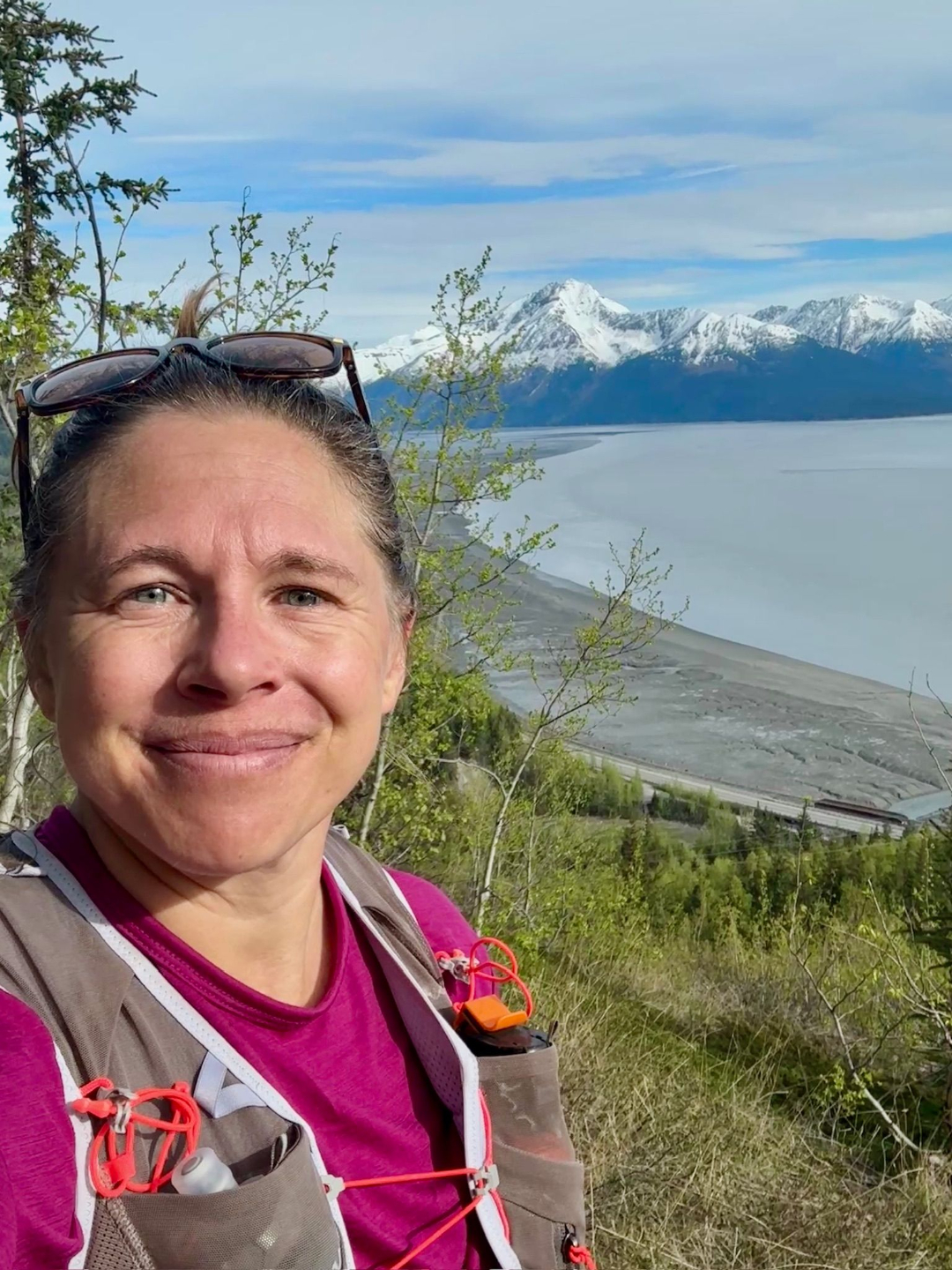
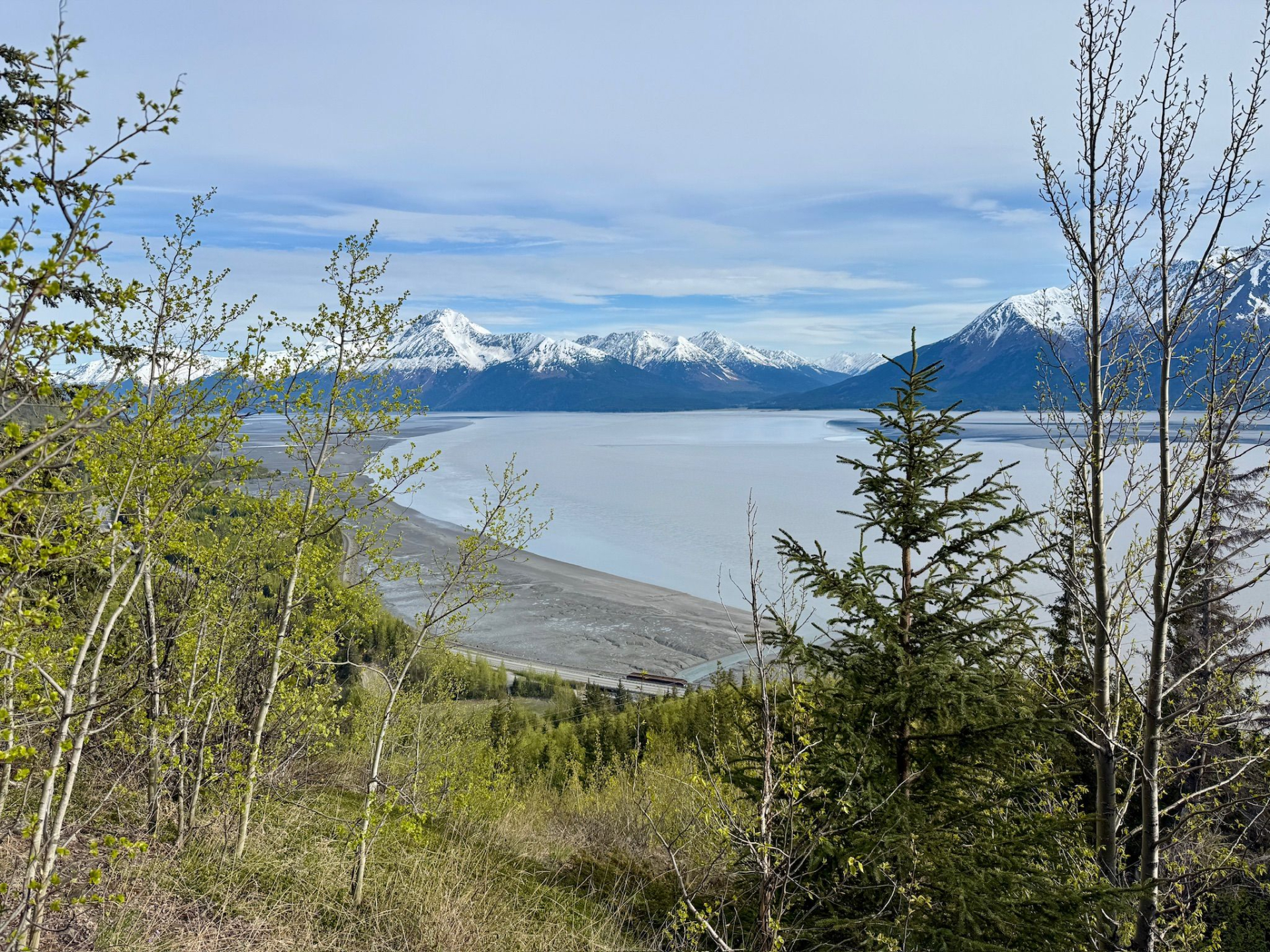
In this episode, I record from a steep trail in the Chugach Mountains while reflecting on a recent trip to Colombia and the ways travel can expand our perspective.
We explore the somatics of difference — specifically the difference between experiences that feel threatening or stressful to our nervous systems and the kinds of differences that feel exciting, nourishing, and life-giving. Through stories from Colombia, I reflect on how encountering different ways of moving through the world can help us step outside our assumptions and widen our understanding of what’s possible.
Along the way, we practice noticing how the body responds to different kinds of change: the kind that makes us brace and the kind that invites curiosity, delight, and connection. We also explore the nervous system’s natural process of orienting to something new and how awareness of those subtle responses can help us relate to difference with more flexibility and openness.
This episode is an invitation to get curious about your body's response to novelty, difference, and change—and to notice where there may be opportunities for expansion, delight, and learning.
Timestamps
00:00 — Recording from a mountain trail + introducing the topic
02:30 — Returning from Colombia + supporting a Somatic Experiencing training
05:00 — The value of perspectives outside our own
07:00 — Difference as something beautiful, not just threatening
09:00 — Polarization, media, and anticipating stress
12:30 — The nervous system's response to difference
14:30 — Colombian culture, dancing, and celebration
17:00 — Practice: noticing “good” difference in the body
18:30 — Practice: noticing “not fun” difference in the body
20:00 — Pendulating between challenge and resource
22:00 — Nature as a resource for exploring change
24:00 — Bringing the practice into relationships
26:00 — Noticing the stages of a nervous system response
27:00 — Startle, orienting, and scanning for safety
28:00 — Opening to experiences that feel safe and supportive
29:00 — Closing reflections + invitation to explore
Submit your questions for the Q&A [here]
Photos and links from this episode:
www.mindandmountain.co/podcast
Transcript
Sarah 0:02
A co-regulation conversations welcome. Okay, so here's what's happening. I usually record these episodes when I am walking on a flat trail or a downhill, so that I'm not panting while I'm recording, but I am just starting a hike here up into the Chugach on one of my favorite trails outside of Anchorage and uphill, and I just have been thinking about what I want to record for a podcast ever since I got back from Columbia, and I genuinely got my inspiration. So, what I want to do is talk about getting outside of our own bubble, and also about connecting to the world, widening out our perspective, and yeah, the the experience of being out of the country and in a different culture for a little while, so those are two topics, two-part series. We're still doing somatic snacks for summer, and so let me, I'm on a steep part, so let me see, pause for a moment, and feel into which of these I want to start with today,
Speaker 1 2:00
I
Sarah 2:40
Okay, so let's talk about connecting to the world, getting out of the country or the bubble that we find ourselves in, so as you can imagine, being outside of Alaska is always really an experience, and being outside of the United States as well, I've been going to Colombia a lot over the last three years to support a somatic experiencing cohort that is happening there. It's the first time there's been a somatic experiencing training in Colombia. It's the vision of my friend Laura Botero, and I'll have to have her on the podcast someday, because she's really her dream has come true. Basically, we just had the last module, and these students, Colombians, mostly therapists and educators and nurses, doctors, art therapists, parents. It's very cool, very cool group of people, and just incredible to have been a witness and support for their process over this three year period of time that we shared, well, six modules across, it's more like two years, but very neat, and so. Yeah, many things, but yeah, proud and connected, and it's okay. This is where this is going, is that I want our somatic snack today to be touching into the possibilities of, like, considering perspectives outside of our own, particularly in areas that we might just take for granted or not, not even know that we're holding a perspective, because it's so the water we're swimming in, I How do you like that phone check? The hiker who just passed me had good moment for some tunes. Okay, so maybe there's an example right in that, because many of us outdoor culture want quiet and maybe have a perspective on music on the trails, and maybe not, but many of us do, many people do, and I just, yeah. that moment of music for me was really positive and fun and brief, and I just wonder if it's like a little practice of seeing a perspective that's different or new, there are things that are so part of our culture that we don't even realize it until we see a contrasting perspective. Do you know, I think one thing I realized being there this time is that there is a way inside of a community or culture that's experiencing a lot of division, like the US right now, like a lot of places, polarization Organization that, okay, this is really testing me to try to think and speak and climb uphill at the same time, I okay, finishing my thought, so it's forcing us to slow down our cognitive part and give more attention and energy to the physical body side of things, maybe in the pauses there's a way you can do that as well, doesn't have to be uphill, necessarily, like I'm doing, but it could be tuning into your soma, your body in whatever state it's in, kind of the skill of attention. And noticing without changing another way to say that would be the skill of observing one other really important somatic skills I love steep second. Okay, still steep, and I'm gonna talk, so divided. cultures, more like politically polarized, we get the sense that difference is, you know, because so many of the differences of opinion that we hear about, if you're tracking us, politics right now, for instance, are really nuts, and I've noticed that I, we maybe start to perceive like we kind of know that the crazy is coming, know that the like mind blowing like oh thing is coming, and so the body starts to anticipate that stress response and brace for it subtly, which really, like, it actually does help when we're consuming significant amounts of media that is pointing that provoking that response, we, those protections are really actually very like helpful to help us numb it out a little bit. It is a bit of a stress.
Sarah 12:42
maybe, maybe a freeze response, or a defensive fight response, probably some of both, and the aha that I had on this Columbia trip was that there is a way that difference can be really beautiful and fun and magnetic and life giving and a lot of that, well, part of you know the way our body racks has to do with what it's perceiving in the moment and what its history is, both of those things. So, if, oh gosh, this is my new goal to get in shape this summer, so I can talk to you on an uphill and think I don't know, we'll see kind of interesting challenge starting today on June 2,
Speaker 1 14:20
okay, do so
Sarah 14:29
if our body reacts partially because of what we're perceiving, some situations are, yeah, for sure ones we want to brace against, others are ones we want to delight in and welcome in, let them change us or let ourselves be impacted by them, because it's beautiful change difference, I. I'm talking about, like, learning to dance with the Colombians in this cohort, so fun and yeah, they, Colombian culture really knows how to do celebrations, it's so cool, and with dancing they have dancing like our rugby parties after the game would be dancing family gatherings and even the academic gatherings I was a part of often would end up with some dancing, pretty cool part of their culture, so all that to say, that's a good teacher topic celebration. Maybe I'll bring a Colombian in to talk about it. Yeah, those kind of differences are fun, and we want to let them in. I feel expanded after being around people who think differently, move differently through the world, have different words for things, and have a lot in common too, a lot of shared values and connection with bodies and the earth, beautiful Andean. mountains were a big part of our class out the window from the venue and so the invitation today, if this topic is intriguing for you, would be to notice what happens in your soma in your body when you get some kind of experience, kind of difference that is safe, that feels good. There's a feather on this branch right now in front of me. Spend a few beats getting to know what the sensations are of that. Where you notice it, even if it's just like an image character, and then notice what happens again in the soma in the body when you maybe anticipate reading some effed up news story, or maybe there's another example of coming into contact with a difference that does not feel good in your body, and notice what happens in the body. Is there a change in the breath, or is there any bracing? Where do you notice it? What's the posture that the body would want to move into? Yeah, pause if you need more time there and. Then let's make sure to pendulate the attention, so we don't get trauma vortex stuck in that we do want to spend time with it, but just the right amount of time to as not get sucked all the way down. Sometimes that's a while in those times when you have lots of capacity, and other times it's just dipping a toe in to touch it, and then let yourself move out, which might mean actually moving your body and Yeah, and then we're pendulating to again this body response when there's a difference that feels good, the fun kind of difference about, oh my gosh, the trail is dry today for the first time, and it feels so good to be able to walk on dry ground instead of slippery mud or snow, that's a change that feels so good. So, what's yours? Change your experience. Yeah, you could do the one. Go back to the one we built earlier at the beginning of this, and every time we visit and spend more time noticing the sensory nuances of the place of the experience just got to smell a spruce tree needles send that over to you and so every time we revisit something, it deepens, expands, strengthens our relationship with that resource, and then sometimes we want to expand and build a new resource or work with a different memory that you want to reinforce, so maybe the next level would be to pick something interpersonal in the social nervous system and that's the first levels, like, little bit easier sometimes to notice change in the weather, in nature, because we often trust a lot of the way nature changes throughout the year, not all of it, natural disasters aside. Yeah, so that may or may not be true for you. What I just said there, but just bringing to mind the idea that there's some areas of this work that might be easier than others, and for many of us, working interpersonally in the social nervous system can be a little bit more challenging than working with nature, or even with changes inside ourselves, it's also a lot of conditioning there.
Sarah 24:05
Got a name, especially for women to be really good at relating to internal relationship dynamics and look to change ourselves, um or look for the sources of problem internally, and this practice gives us the option of practicing the external gaze, so noticing what it's like to be with if you're up for that someone human relational or non human and a difference you. A way of thinking that's different, or yeah, anything, and notice how your body responds to that, and one of the curious things I'm looking, take a little time to notice your sensations, maybe if there is like a image or a movie character or a felt sense letting the attention land there, and then we're just some kind of mapping, getting to know the terrain, I Oh, yeah, and then take note if there's any change just after that initial mapping, yeah, yeah. Okay, so I'm getting really into it because something cool is happening in my body, so just naming that you may or may not be noticing something happening in your body or your nervous system because the noticing itself is of the subtleties is one of the skills, and it's not always the one that everyone develops first. Some people do, and some people, their nervous systems, for a good reason, have different priorities. so there's a way to notice the not noticing, noticing, notice the way that you're not picking up on something that you think might actually be there, or might be there on some subtle level that you haven't yet, you honed in on, and then see if that can just be okay, that you're just that, that's there, and you haven't yet, like, refined that particular skill, which is, yeah, how learning goes. Yeah, and the other thing that can happen, so we're still kind of working with this interpersonal moment of difference that is probably okay, but that I'm curious, if you might notice a multiple impulses in relationship with this, so sometimes there's a way that we just naturally initially brace with difference, and then there's maybe like a scanning for like oh is this a problem or is this okay and then the next step is if it is if it reads as okay in the body then we can open and let ourselves experience the thing so see if one of the inquiries for you, either right now or as you move into your week with this, would be to see if you can almost feel the stages to that nervous system response, the initial arrest startle, like there's something different then the orienting scanning to see if this is a big problem or not a problem, big problem, little problem or not a problem, and then notice if it does read as safe, a safe, or like a good thing, or like it's okay, how your body might move, yeah. What state it can like allow in, just what changes you know in the soma. Okay, so there's there's our invitation. I'm going to take a picture of this in. Amazing rest stop. I'm here at wrapping up this with you. Many well wishes. Thanks for exploring this with me. And until next time,
Unknown Speaker 30:13
you.