Cordova Trip Report: When Everything Comes Together
Four Wins From The Ice
Some trips are fun. Some are restorative. And every once in a while, a trip lines up in a way that feels almost instructional - like it’s quietly teaching you something about timing, safety, strength, and belonging.
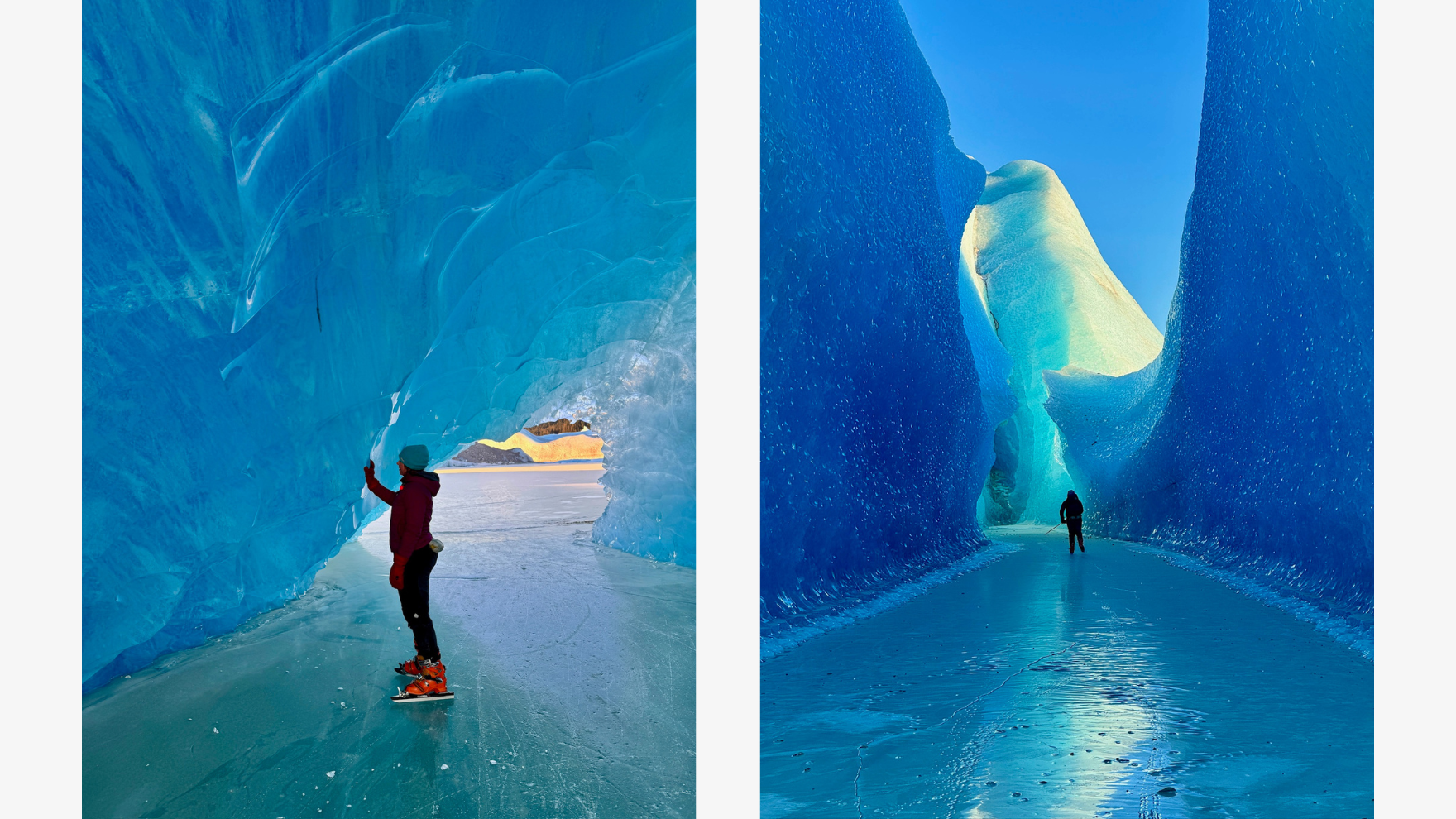
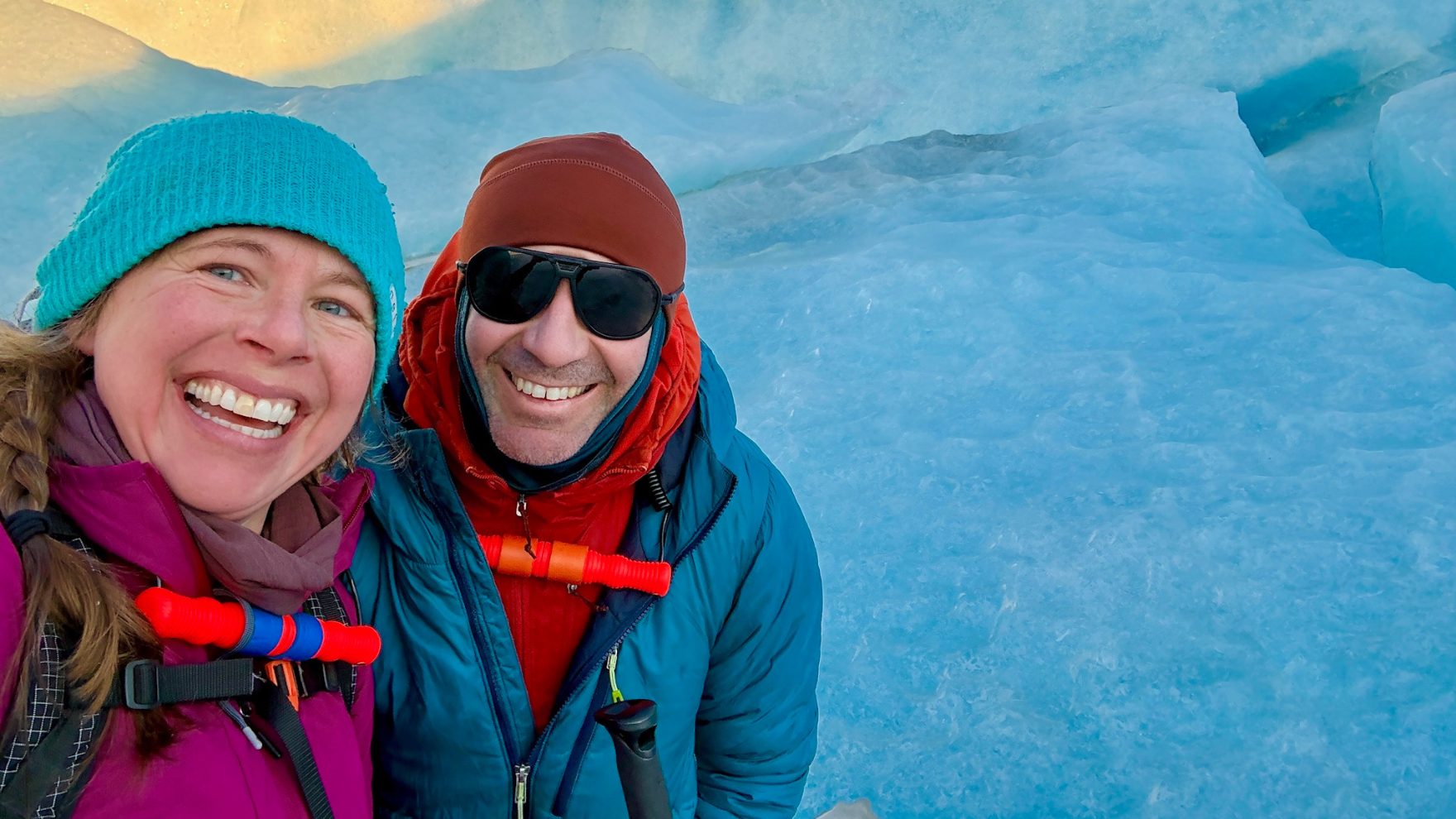
Our short, spontaneous winter trip to Cordova ended up being one of those experiences. On the surface, it was about skating on a glacier lake among icebergs (already pretty magical). But underneath that, there were four very clear “wins” that stood out - four places where things went right in a way that felt meaningful, nourishing, and transferable to everyday life.
So, as a means of making a trip report, I want to use those four wins to structure this write-up and share about this magical experience that Luc and I were so lucky and grateful to have.
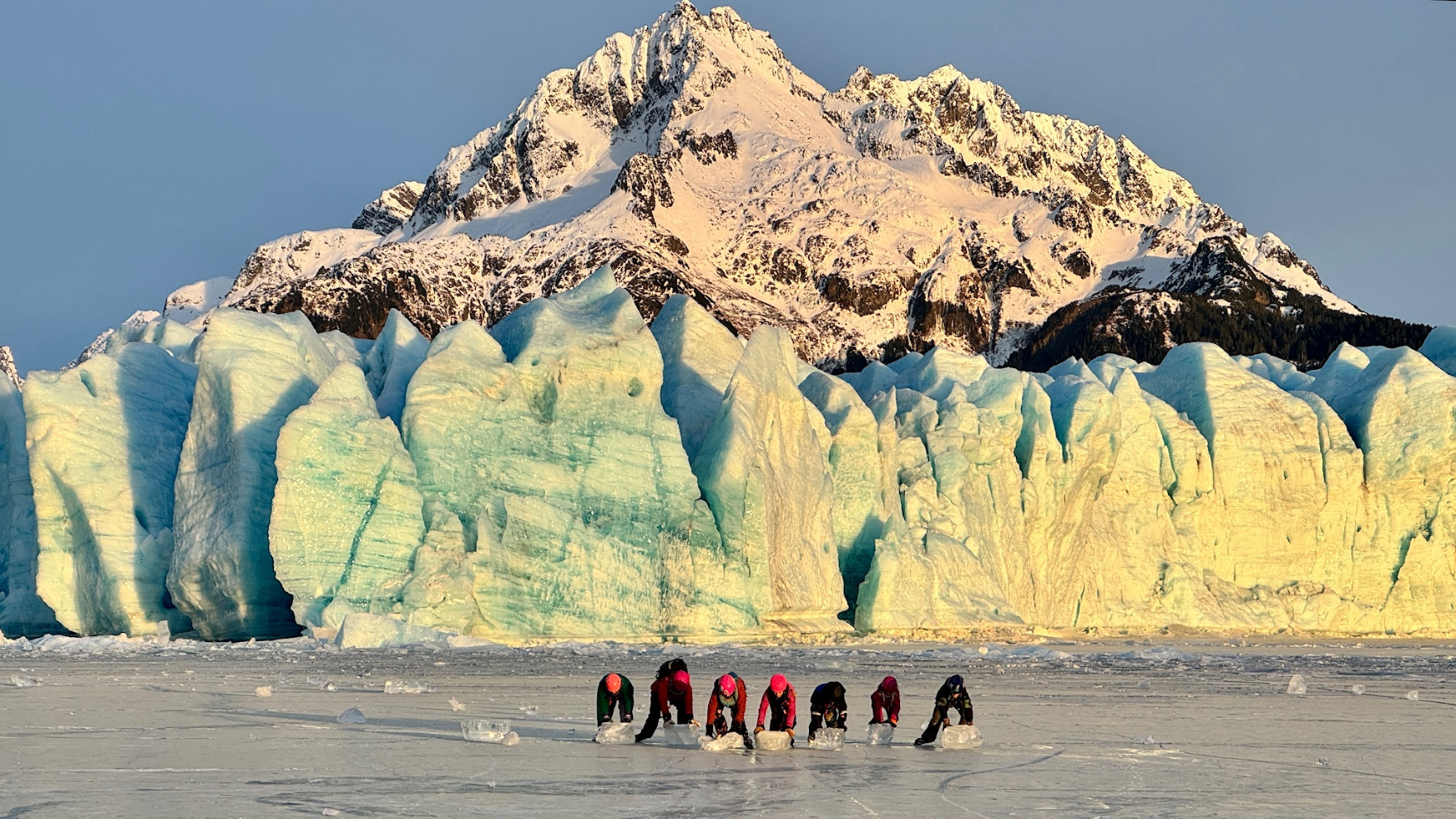
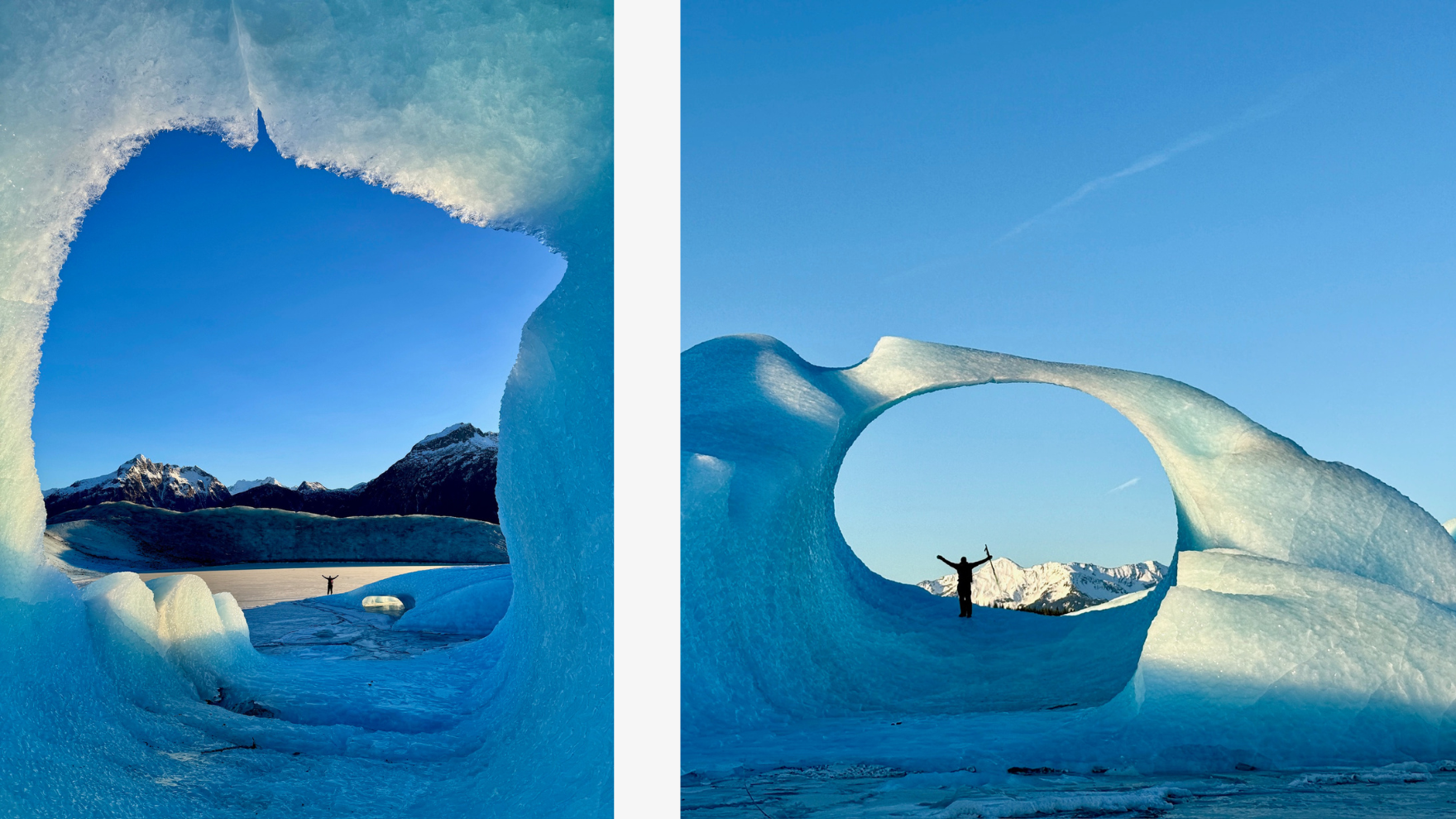
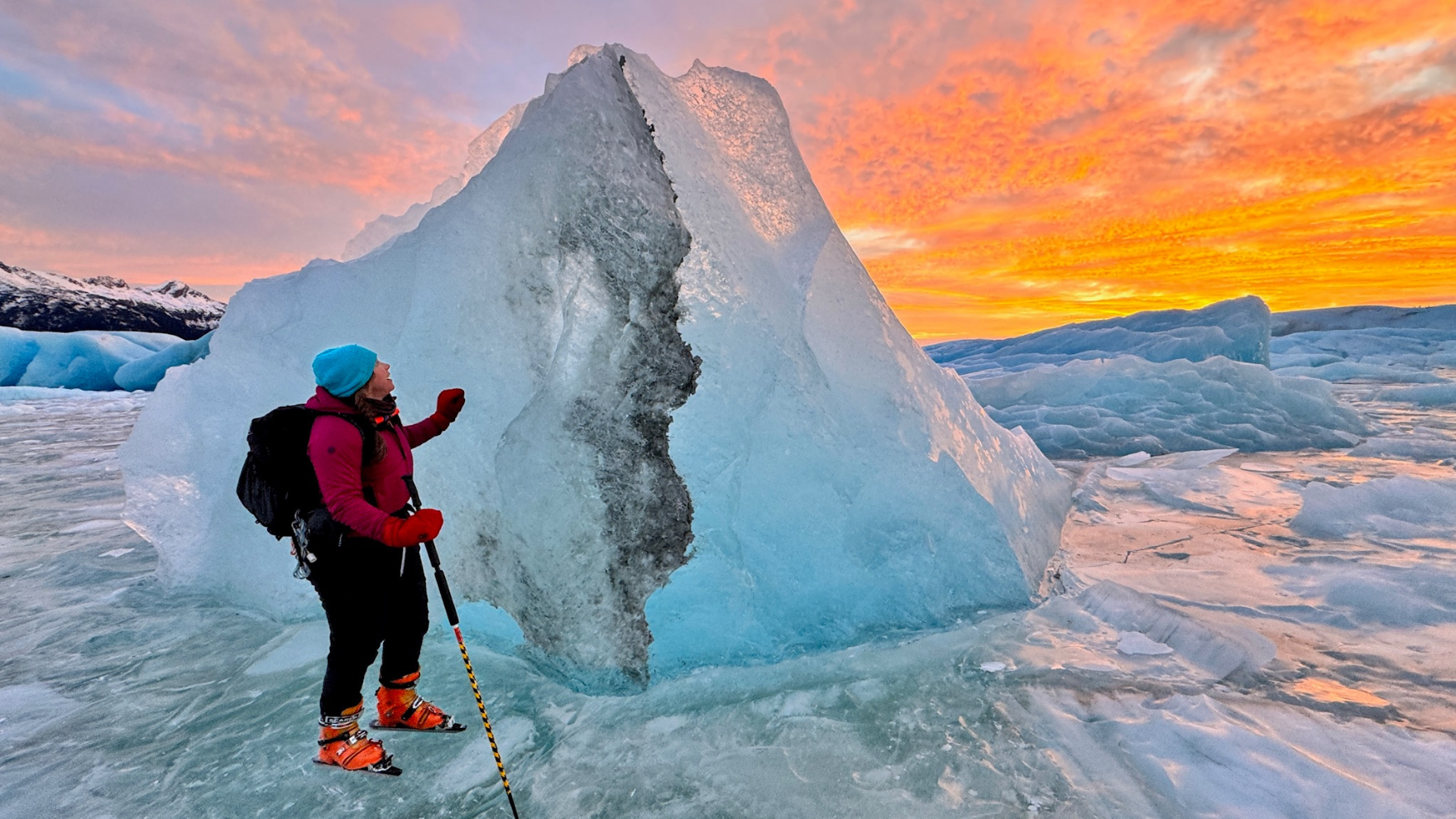
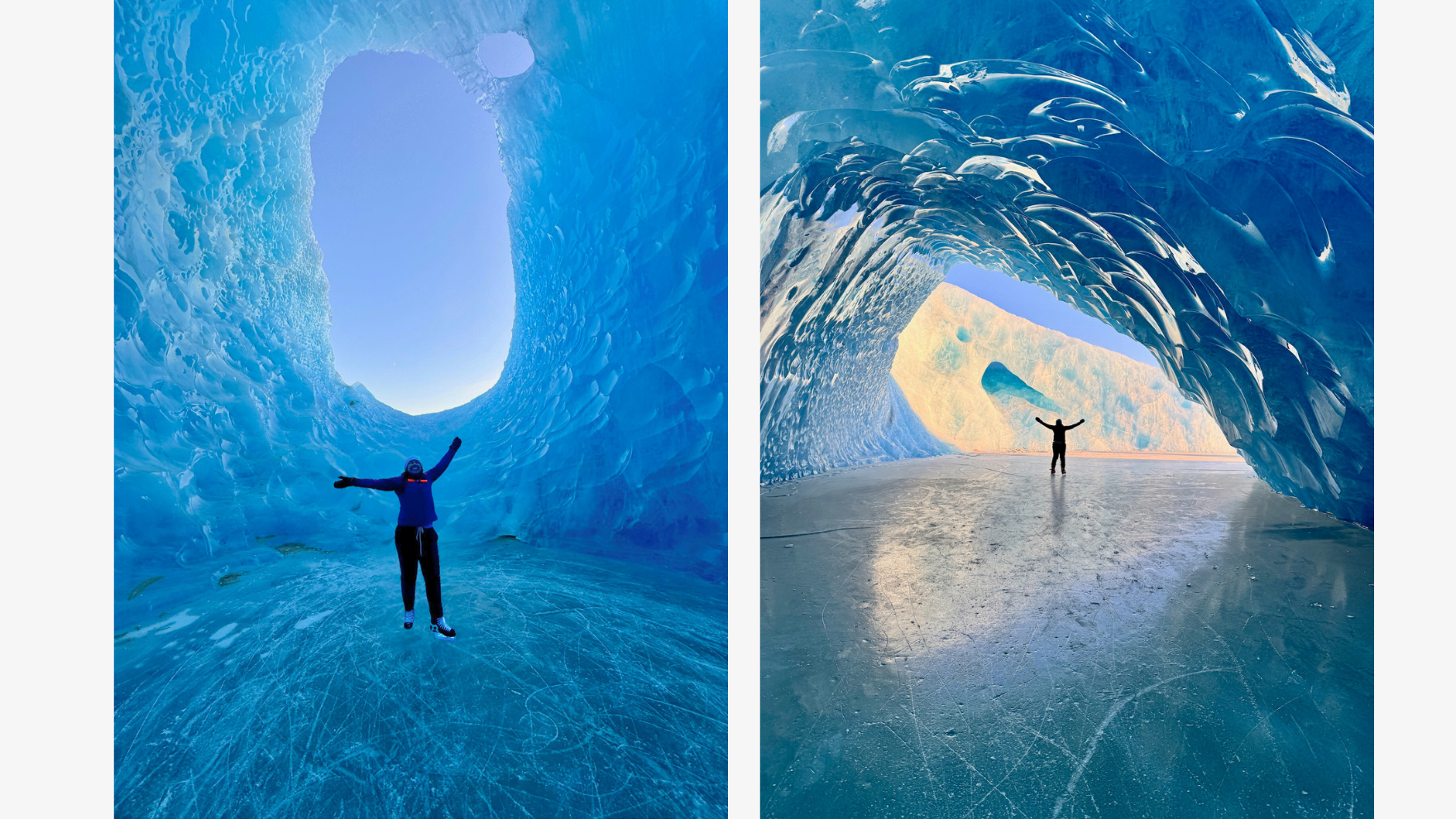
Cordova is a little town of 2500 people on Prince William Sound in Alaska. The only ways to get there are by plane or boat - we took a quick flight over from Anchorage over the Christmas holiday because we’d heard that the Sheridan Glacier Lake there was frozen and in great shape for ice skating.
When Conditions Are Right, the Nervous System Can Relax
One of the biggest gifts of this trip was how perfectly the conditions aligned.
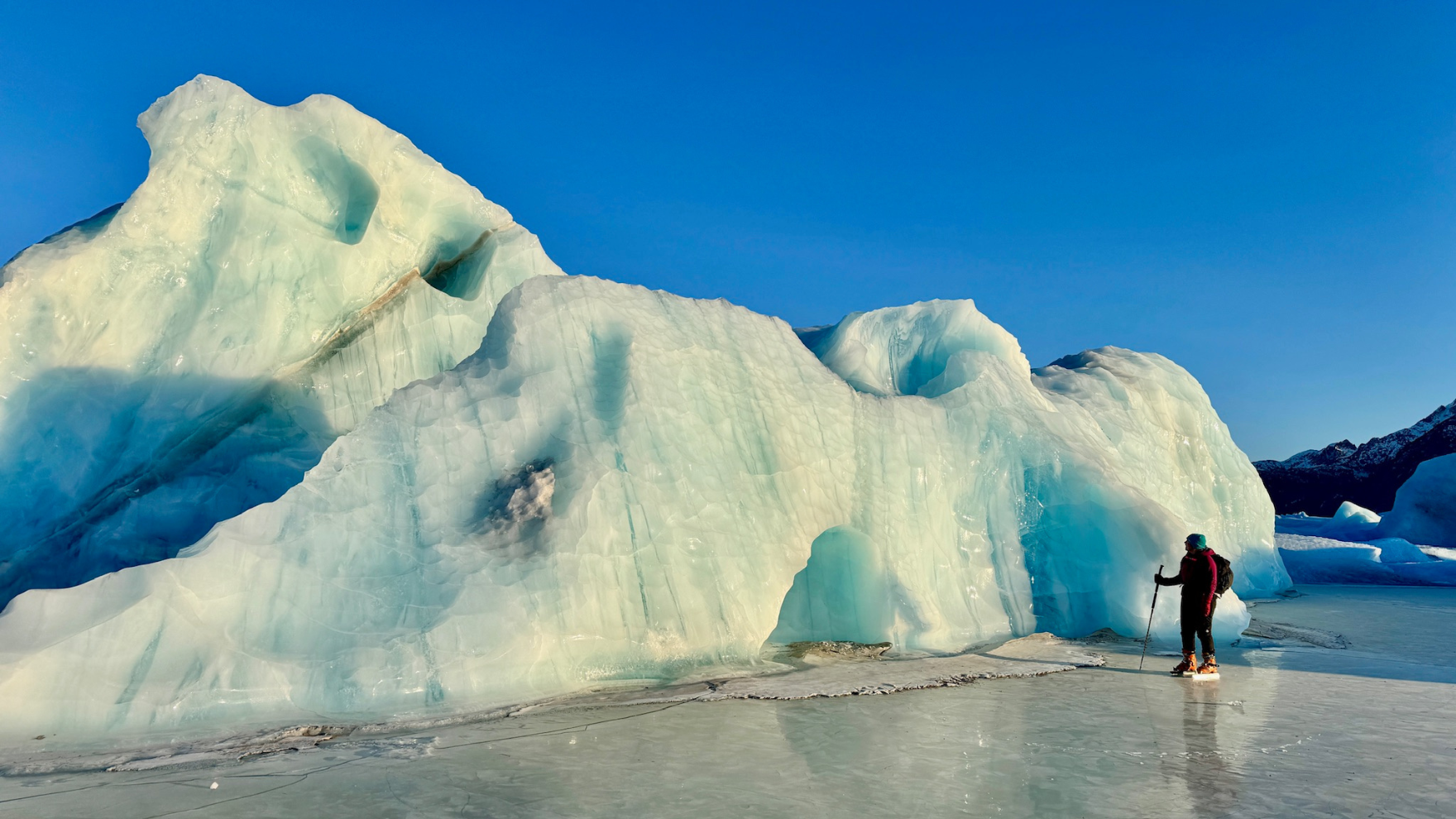
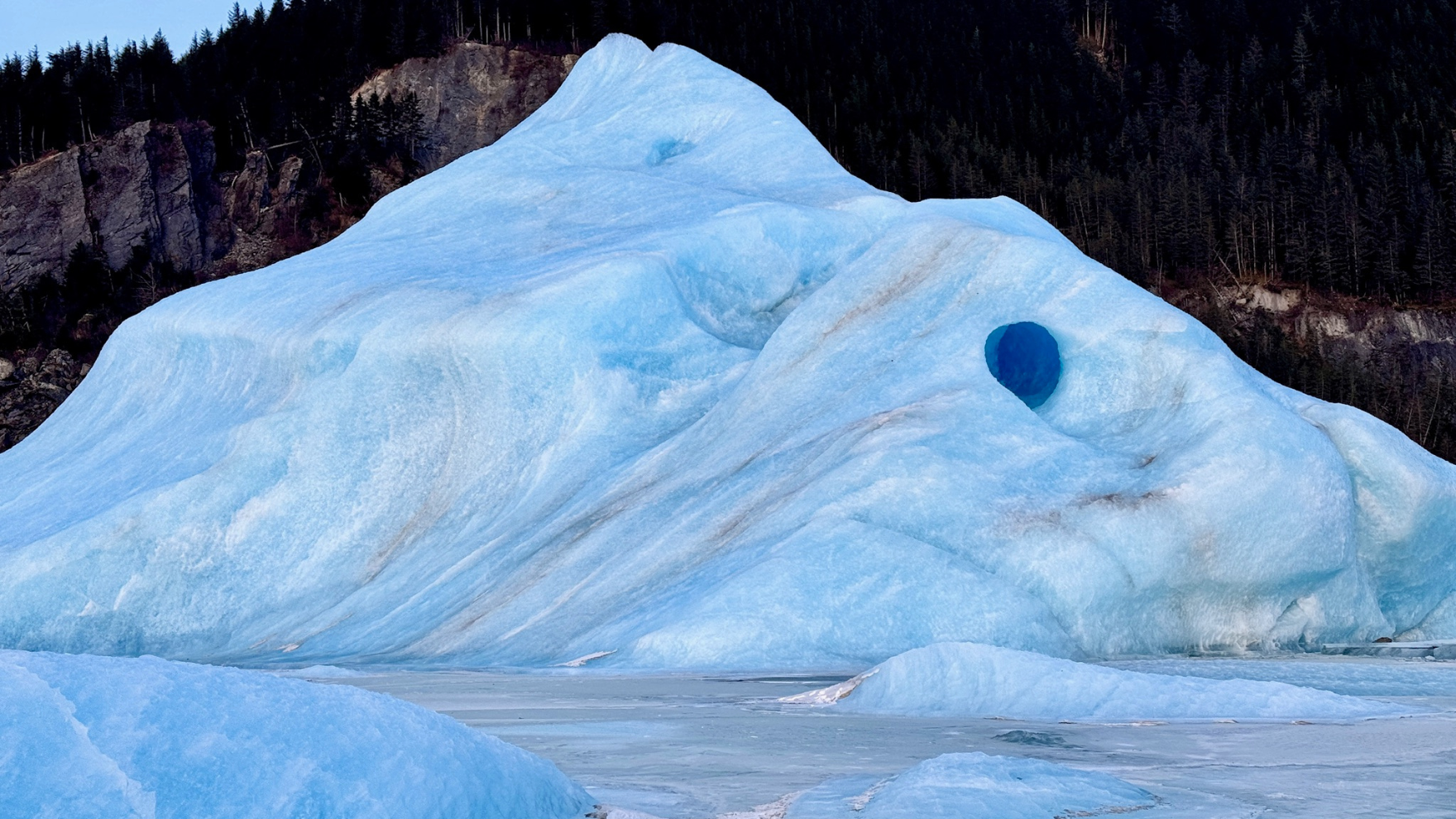
A long cold snap had created unusually thick, stable ice. The lake had frozen before snow arrived. Wind had blown the icebergs together (before it froze) and packed them into the first third of the lake in a way that seemed to give them lateral stability. Everything about the environment supported us being there - not just physically, but emotionally and neurologically.
Because the conditions were genuinely good, my nervous system didn’t have to stay on high alert. I generally don’t have a very high risk tolerance, so usually on glacier lakes I’m on alert, aware that something could go wrong at any time. But this time, instead of doing the familiar “in and out, stay vigilant, don’t linger” dance that often comes with risky environments, I could actually relax. I could linger. I could enjoy it for as long as I wanted.
This felt like a powerful reminder that when external conditions are supportive, it’s okay to let that land. We don’t always have to brace. Sometimes the environment really is holding us - and learning to trust that can be just as important as learning to stay alert when things are sketchy.
There are moments in life when we’re trying to make something work despite poor conditions. And there are moments when everything quietly aligns. This trip made it very clear how different those two experiences feel in the body, and how it’s equally important to honor the times we don’t have to be vigilant - to welcome and feel that relief with open arms.
Differentiating Real Threat from Perceived Threat Is a Skill
Being around icebergs is not risk-free. That’s real. But on this trip, something new happened: my nervous system could accurately sense when the risk was low enough to soften.
That’s a big deal for me!
Earlier in my life, my baseline level of activation was much higher. I’ve come to know this state as Global High Intensity Activation, which is a term from Somatic Experiencing that describes a nervous system that is used to staying in higher activation levels. Global High nervous systems have overcoupled activation with safety, and have trouble deactivating (because it doesn’t feel safe).
When you live in that state, it doesn’t take much to trigger a big response - the system is already close to overwhelm. A small cue can set off a disproportionate reaction.
What felt like a win here was noticing that my body could now scale its response appropriately. I could stay oriented. I could take in visual and sensory information. I could notice the absence of danger cues - no shifting ice, no cracking sounds, no instability - and let that data actually matter.
This ability to differentiate perceived threat from real threat doesn’t mean ignoring danger. It means responding with the right-sized amount of activation. And trusting that when things are safe enough, we can deactivate - and play!
And that skill doesn’t just apply on frozen lakes. It shows up in relationships, work, decision-making, and rest. When our nervous systems can accurately read the present moment, we gain access to more choice, more presence, and more joy.
Durability in the Body Matters (and it’s worth celebrating)
The skating itself wasn’t all smooth, glowing ice. Between the larger icebergs was a chaotic mess of broken chunks, tilted slabs, and slippery, uneven ice. Moving through it required strength, balance, and the ability to repeatedly catch near-falls.
This was one of the first moments in a while where I felt deeply grateful for the strength I’ve been rebuilding - not for aesthetics or performance, but for durability.
My body showed up for me. It caught itself. It adapted. It handled the weird, awkward, unglamorous work of staying upright in unstable conditions.
There was also a nervous system component here. Fatigue made everything harder at the end of the day, and the same terrain felt more stressful when resources were lower. That, too, felt like valuable information - a reminder that physical and nervous system resilience are deeply intertwined.
This win wasn’t about pushing harder. It was about acknowledging that long-term, patient investment in strength and capacity pays off in real, tangible ways. And that noticing and celebrating those moments is part of the work.
Community Is a Resource - and It Changes Everything
If there was one thread that made this trip feel truly special, it was community.
From borrowed cars and last-minute housing, to people stopping us on the ice to share local knowledge, to shared meals, skating sessions, and quiet moments of connection - we were carried by generosity at every turn.
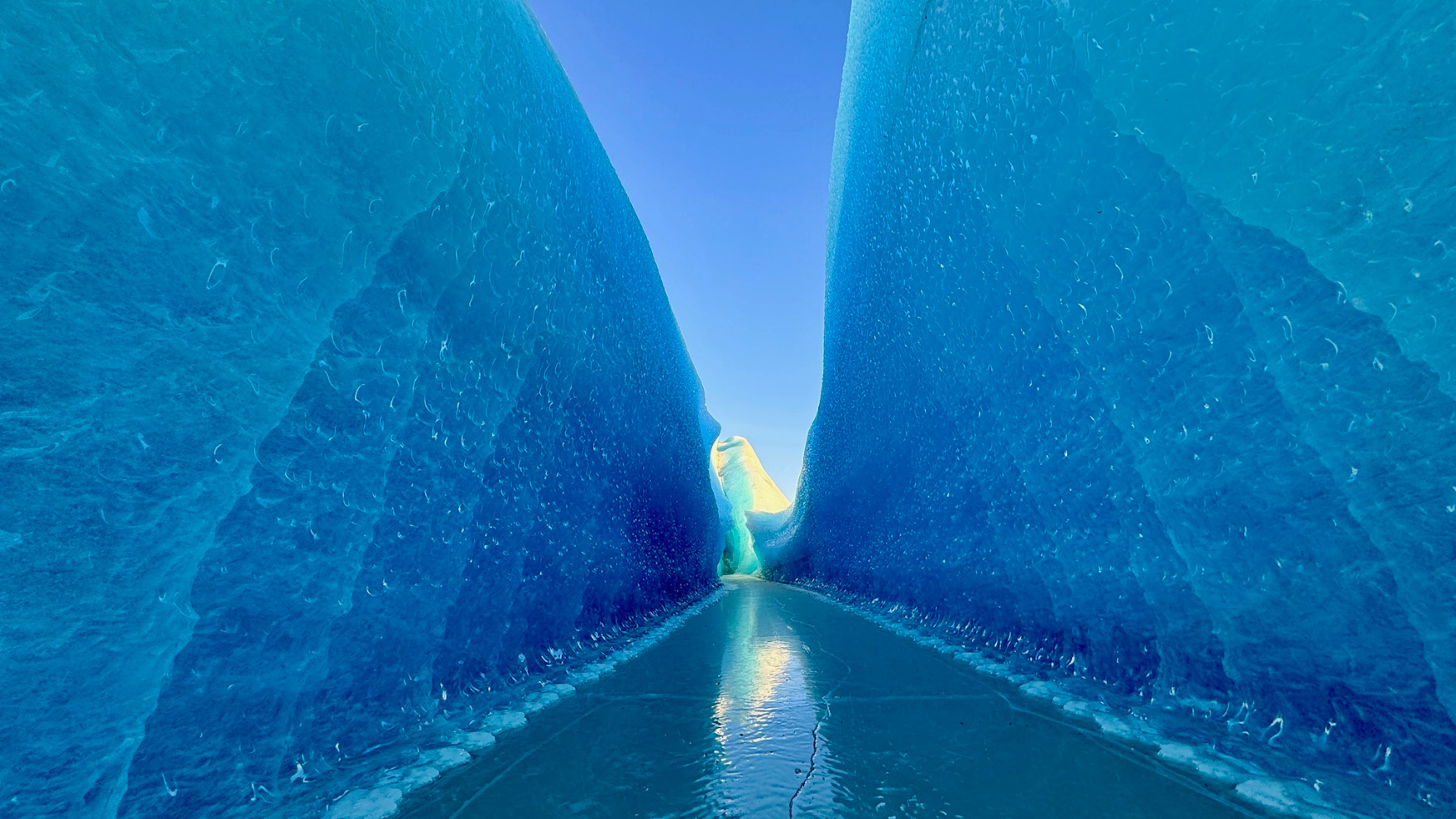
We were even able to extend our trip by a day and get out to a second lake - Saddlebag - that had just frozen and had perfect 4-inch ice surrounded by tall cliff walls, frozen waterfalls, and another blue glacier at the far end. Thanks to local friends for recommending this one and to Brooks and Milo for joining - and encouraging us to try skating down the creek on the way out, which was so fun! A big highlight for me. I had Joni Mitchell’s River in my head the whole time.
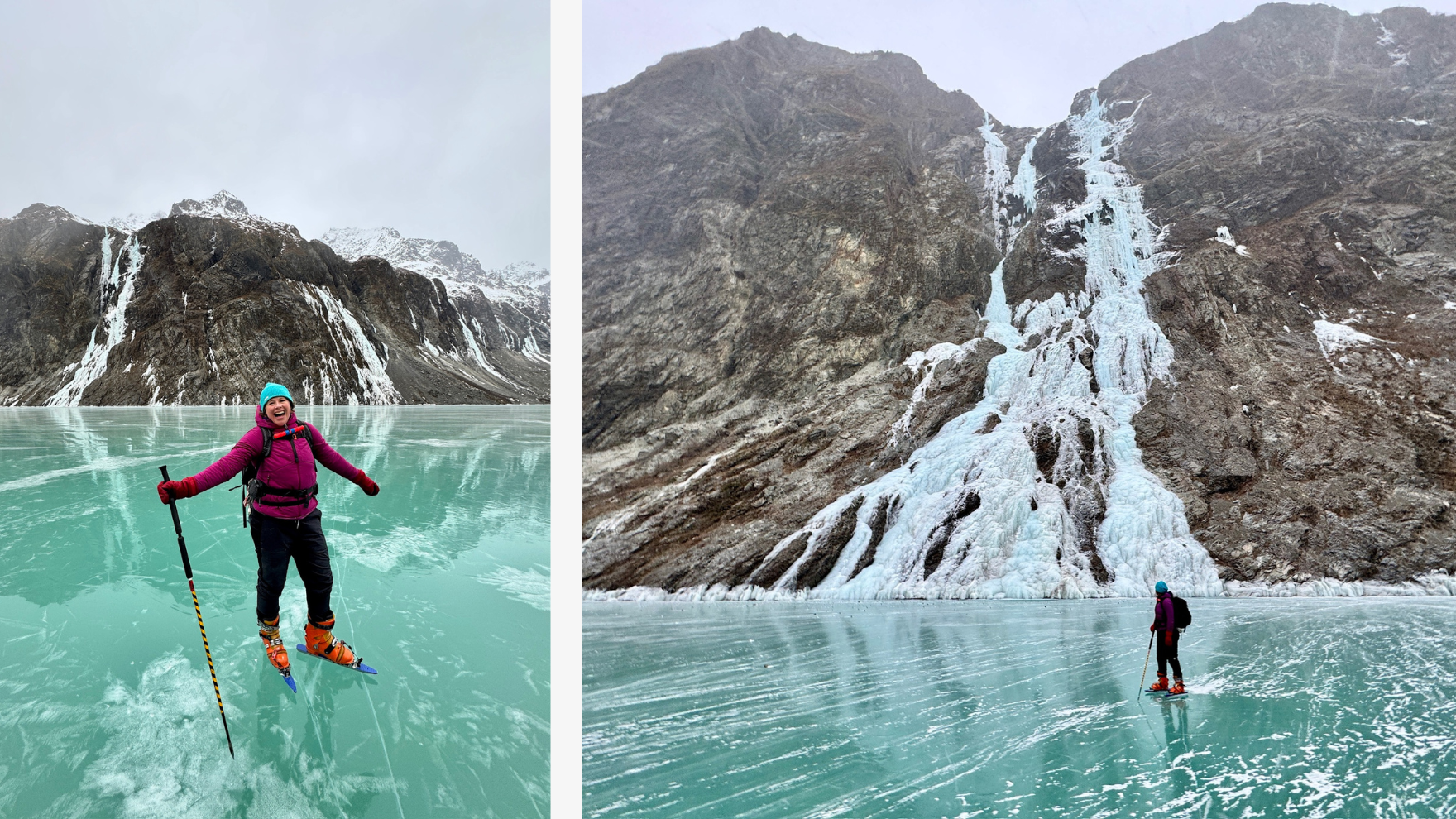
This is Saddlebag Lake!
What struck me most was how layered this community was. Some connections were old. Some came through friends of friends. Some were formed online first via mine or Luc’s business and then brought into real life. All of them mattered.
This trip was a reminder that community doesn’t just add convenience - it adds meaning. It regulates us. It expands what’s possible. It makes experiences richer and more human.
And importantly, it showed how online and offline worlds don’t have to be separate. Virtual connections can become embodied ones. Shared practices can turn into shared meals. Co-regulation can happen across distance - and then, sometimes, in the same room.
Taking It With Me
I’ve continued to feel so nourished by this trip! It’s been a month now, and still, every time I think of it I’m flooded with a dose of happiness & joy. It feels like that dopamine and nervous system resourcing has been impacting me significantly - I’m usually feeling pretty desperate for sun at this point in the winter, but this year I don’t feel that. Instead, I’ve been feeling happy to be in Alaska, enjoying the winter and nourished by the snow, ice, and community here.
I can’t say that that shift is completely due to this trip, but it feels partially related. It might also be related to the major shift that’s happened in my nervous system this year, moving out of that Global High state and shifting my body’s chronic freeze tendencies. It’s been slow and steady work for a while now, but I’m feeling big impacts these days and very proud & excited about it.
I’m hoping that the stories from this trip provide a snapshot of what becomes possible when conditions align, nervous systems feel safe enough to soften, bodies are supported by strength, and community shows up generously.
Those moments are rare - and they’re worth noticing.
Because when we can recognize them, celebrate them, and learn from them, they don’t just stay on a frozen lake in Cordova. They quietly inform how we move through the rest of our lives.