
Success, Redefined: Why We Practice Summer Mode
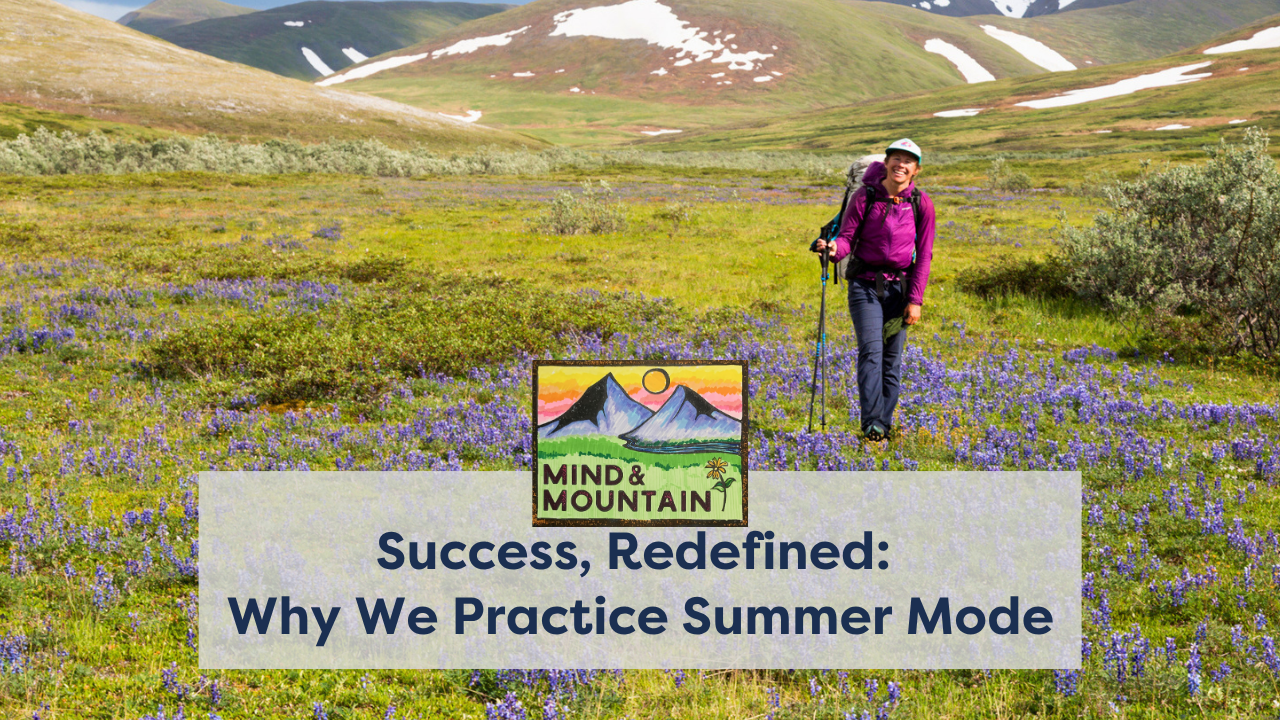
Inside Our ☀️ Summer Mode☀️
This month, Mind & Mountain - AKA Raine and me - are moving into what we affectionately call ☀️Summer Mode ☀️, which has become part of our annual work cycle over the last few years.
We love it! And we wanted to share how Summer Mode came to be and why it works well for us inside of Mind & Mountain business vision. This way of working aligns with the values that we want our small business to uphold, and helps us show up for ourselves and the business throughout the year.
Since starting Mind & Mountain, I’ve tried to create a business that is as far removed from hustle culture as possible - while also recognizing and pushing back against the systems that often fuel it: diet culture, white supremacy, and ableism.
Those influences can be so common, especially inside businesses in the fitness, outdoor recreation, and mental health spaces. It can be hard to see and name these influences, but the fact is that they are the water we’re all swimming in. So if w...
Beyond the Visible: Adapting to Life & the Outdoors with Chronic Illness

Reclaiming an Active & Outdoor Lifestyle with Chronic Illness
This is a guest blog by Mind & Mountain friend & member Rachel Collins. Rachel is a skier, park ranger, & mom, and in the last few years has been learning how to navigate the challenges of chronic illness alongside her active life. Rachel leads our Spoonie & Invisible Illness Affinity Group inside of Ski Babes!
Read on for more of her story:

December 2022. I woke up with big plans today- big breakfast with the kiddo, Ski Babes workout, deep cleaning the house for guests, but as I crack my eyes open I realize none of those are going to happen today. I feel lethargic, nauseous, and despite my best intentions, my brain feels like molasses. I know this feeling now, my blood pressure is too low and my nervous system is on the fritz again. Is it the storm rolling in? Did I hit my salt targets yesterday? Did I eat something new? Maybe I overheated in my sleep again?
This is life with a chronic illness- while no one has a pe...
Packrafting Strength: 5 Moves for Better Adventures

Get Packrafting-Ready with These Functional Moves for a Strong Summer
Are you ready for an exciting season of packrafting? Whether you’re just getting into the sport or a seasoned veteran, building strength before your first trip is a great way to make the most of packrafting season. Practicing functional movements at home can build muscle memory in the pre-season, jump-starting your packrafting season for strong technique all summer long.
I’ve been packrafting Alaska rivers for years, and I’m also a fitness trainer. I’m excited to share these exercises that I know from personal experience will help you when you’re out on the water this summer.
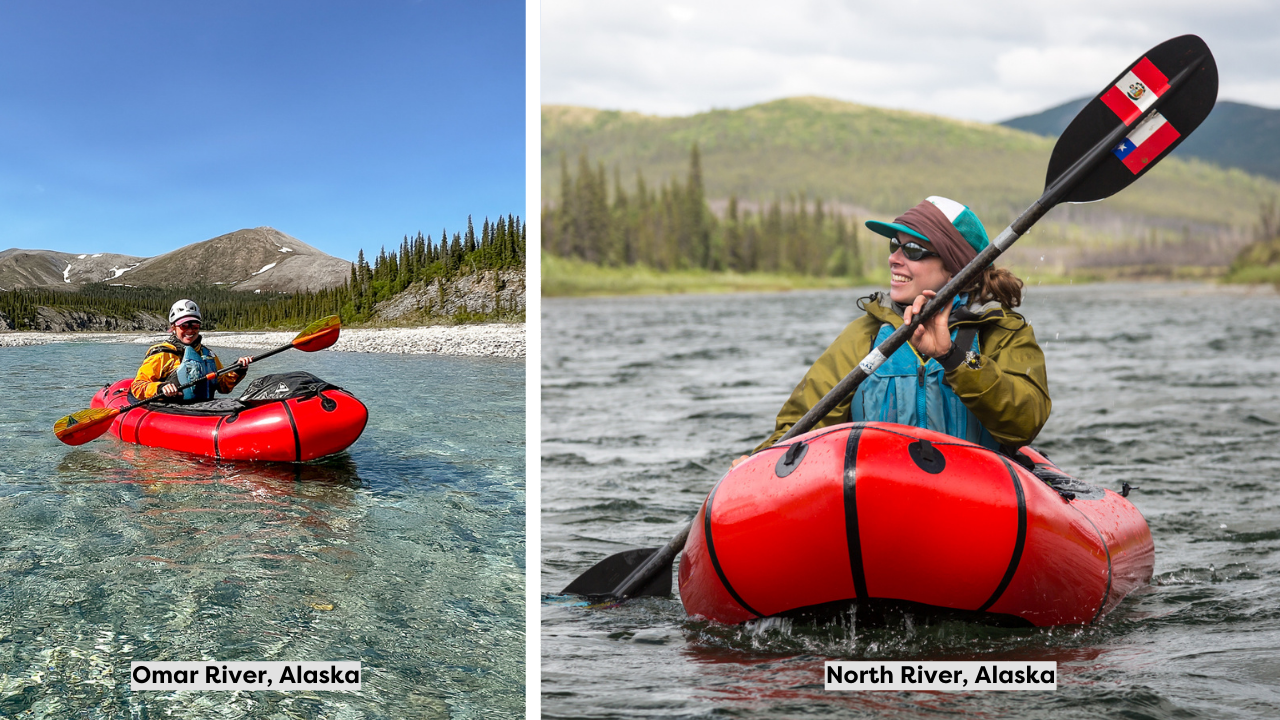

Strength-Building Moves for Packrafting
First, a story: in the summer of 2018, my husband Luc & I were in the habit of doing a set of pushups every day. Then we left for a 10-day packrafting trip that started with 60 miles (97km) on the Yukon River. We knew that the Yukon moves at about six miles per hour (10 km/hr) and expected to be on i...
Float & Hike: 10 Day Trip on the Tatsenshini, Alsek, and Yakutat Coast

A Fast and Fantastic Trip on the Tatshenshini & Alsek Rivers
The Tatshenshini–or “Tat” for short–is an epic journey starting in Canada’s Yukon. From there, you float and paddle downstream on the Tat through the Tatshenshini-Alsek Wilderness Park, merging into the Alsek River, and ultimately ending up in Alaska’s Glacier Bay area.
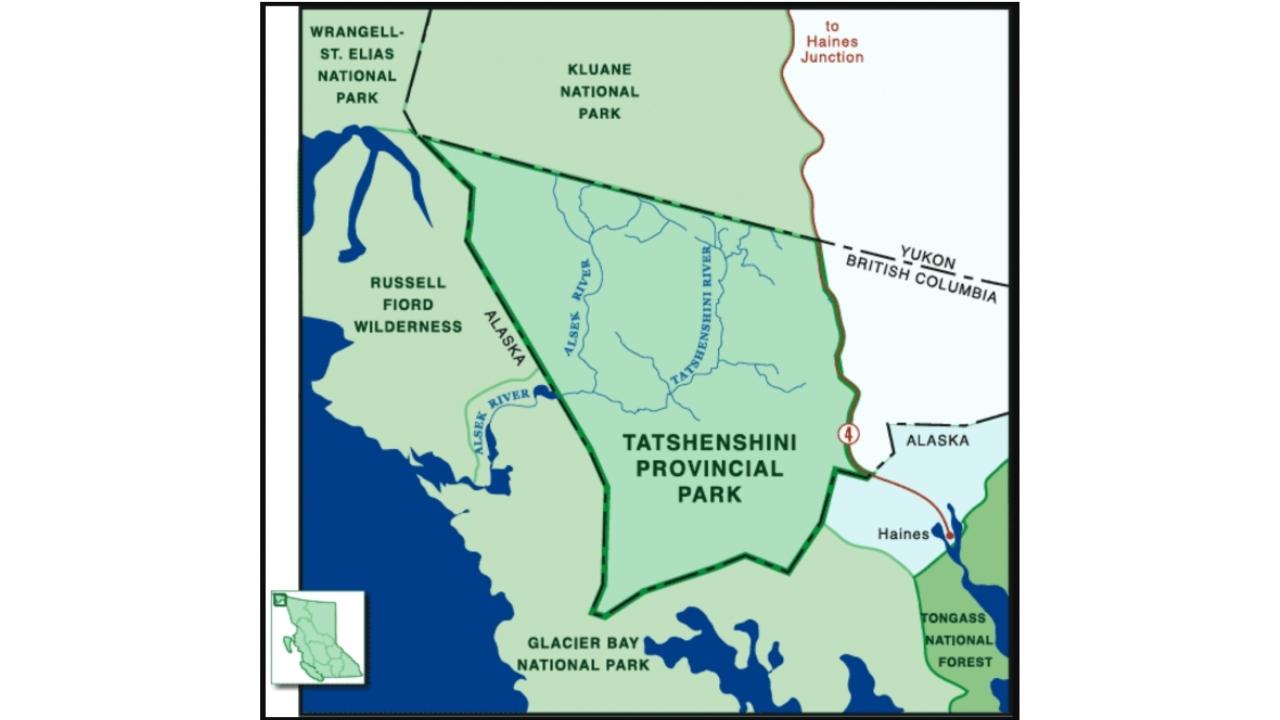
Along the way, the river carves through pristine wilderness. Getting permits for this long, international trip is one of the most competitive permits to land, and it’s not hard to see why! In fact, this is the only float trip in Alaska popular enough to even require permits. Between the towering mountain ranges on either side of the river, the many glaciers alongside, and the icebergs floating through the river, the scenery is unforgettable.
We were lucky that some very motivated friends of ours navigated the permitting process and the itinerary logistics, meaning we could just tag along. Taking turns with the logistics is one of the wonderful things abou...
Titration in Practice: A Backpacking Trip in the Baird Mountains
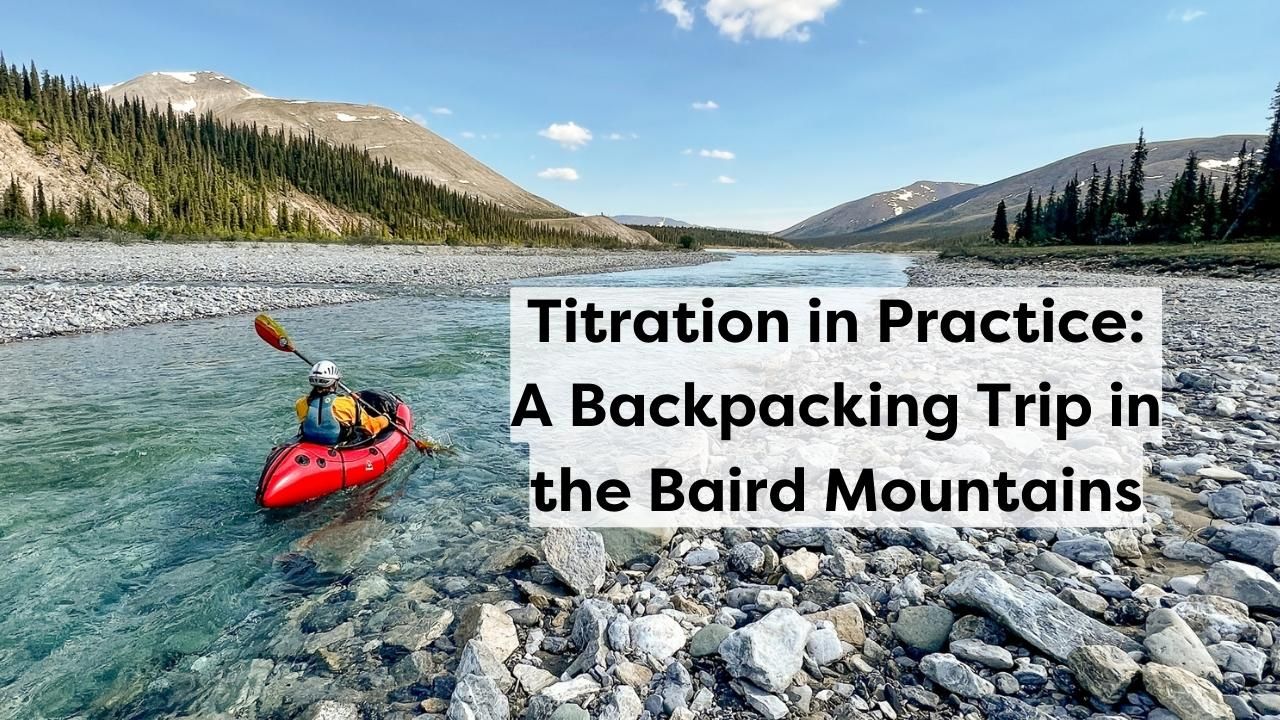
Alaska’s Baird Mountains
For the last several summers, my husband Luc and I have been taking three-week long outdoor backpacking trips through the wild parts of Alaska. We look forward to this time as a way to both restore our spirits from our busy lives and connect with each other. These trips are a foundational piece of our relationship and a time we both cherish.
This past June, our big backpacking trip took us through Alaska’s Baird Mountains where we did some hiking and paddling. We had some magical moments plus some big learnings.
Planning Our Trip
Right off the bat, we knew this trip would look a little different from our past summer trips. As we’ve been navigating fertility challenges, I wasn’t sure how my body would feel when the trip came around. We knew we needed to build a lot of flexibility into our trip plan.
To stay adaptable, we designed a basecamp-style trip. This way, we could flex the total mileage and intensity of our trip depending on how we were feeling. This...
Three Exercises for Backcountry Skiers: Training for a Strong Winter

Why exercise at home for stronger ski days?
Winter is here and it’s time to hit the slopes! As we get our winter gear out, it’s important to think about how to tune up our minds & bodies for the season, too.
One of the best things you can do to stay strong and injury free this winter is to prep with a little strength training. Doing some exercises at home, even in small doses, is a really effective way of staying healthy on your skis. Nothing ruins ski season like being sidelined with an injury!
On top of that, practicing functional movements at home can build the muscle memory to help your technique come together early in the season. By building your endurance and practicing healthy movement patterns in pre-season, you can jump start your season and ski strong all winter long.
Three strength moves for backcountry skiers
We’re going to take you through three moves we love for building strength for ski season. Each of these movements imitates an action that we use in the backcountr...
Backpacking Risk and Emergency Planning: What You Need to Know

Educating Ourselves Around Planning and Preparedness
After you have gained a full picture of what risks you’ll be dealing with on your trip, you can then formulate your risk and emergency plan. In order to do that, educating ourselves around risk can build our confidence and mitigate the real risks we might face. For backpackers of all backgrounds and experience levels, the best thing you can do for your own safety is planning and preparedness.
Before diving into this post, read up on the basics of risk management and safety in our previous post, which will lay the groundwork for this discussion. In this post, we’ll get into more detail about specific concerns as well as creating your risk mitigation plan.
Assessing Risk: How Many Lemons Do You Have?
In our last blog post, we talked about how to identify risks and introduced the idea of each major risk as a (metaphorical) lemon. Consider creating a document with a list of risks and how severe the risk is (i.e., how many lemons). Th...